
Beautiful Plants For Your Interior
Beautiful Plants For Your Interior
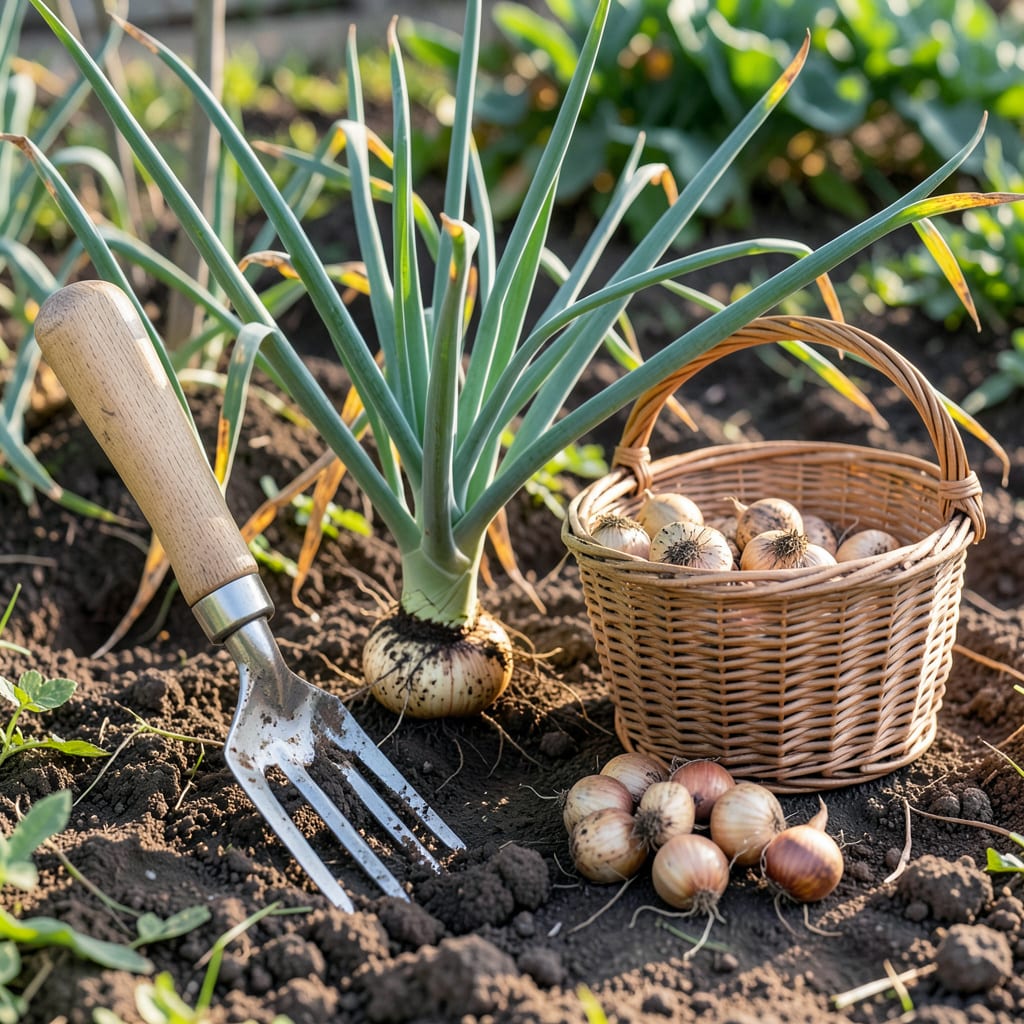
There’s nothing like the satisfaction of pulling perfectly mature shallots from your garden soil. With the 🧅 Shallot, timing is everything for the best flavor and storage.
I’ll show you the subtle signs to watch for and when to act. Discover how to get it right every time without the guesswork.


I’ve found that shallots reveal their readiness through clear visual cues that are easy to miss if you’re not paying attention. Unlike onions, shallots have a more delicate way of signaling they’re done growing.
The most obvious sign is when the green tops begin to yellow and flop over, which typically happens 90-120 days after planting. This indicates the plant is diverting energy to bulb maturation.
I always check the neck area first—when it feels soft rather than firm, that’s a sure sign. This happens as the plant stops sending nutrients to the leaves and focuses on the bulb.
Another key indicator is the bulb size. Mature shallots will often push slightly above the soil surface, and you can see the papery skin developing. This skin should be dry to the touch, not moist or glossy.
Don’t rush it—if the tops are still green and upright, your shallots need more time. Harvesting too early results in underdeveloped bulbs that won’t store well.
I’ve learned that growth cessation is the final confirmation. When no new leaves emerge for 10-14 days and existing ones continue to yellow, it’s time to harvest.
For the most accurate check, I gently brush away soil from the bulb’s top to inspect the skin. If it’s dry and papery, and the neck is soft, your shallots are ready.
Remember, shallots planted in early spring typically mature in July or August, but this can vary by climate and variety. Cooler zones may see a slightly later harvest.
In my experience, the combination of yellowing tops, a soft neck, and dry skin is the trifecta of shallot maturity. When you see all three, grab your trowel!
🌱Timing your shallot harvest depends on both the variety you’ve planted and your local growing conditions. Different types mature at slightly different rates, so knowing your variety helps pinpoint the perfect window.
In my garden, I’ve noticed that French grey shallots often reach maturity faster than banana shallots, which need a bit more time to develop their elongated bulbs.
| Variety | Days to Maturity | Best USDA Zones |
|---|---|---|
| French Grey | 90-100 | 5-9 |
| Jersey | 100-110 | 6-10 |
| Banana | 110-120 | 7-11 |
Climate plays a big role too. In warmer zones like 9-11, shallots may mature 10-14 days faster due to consistent heat. Cooler areas like zones 3-5 often see a delayed harvest by 7-10 days.
Planting date also shifts the timeline. If you planted in early March, expect harvest in June or July. Later plantings, like those in April, will likely be ready in August.
Soil conditions matter as well. Shallots in well-draining soil with plenty of organic matter tend to mature more uniformly. If your soil stays too wet, bulbs may take longer to reach full size.
I always mark my calendar 90 days after planting as a reminder to start checking for signs. This gives me a reliable window to monitor progress without missing the optimal harvest time.
🌱I’ve seen many gardeners make the same harvest timing errors with shallots that cost them flavor and storage life. The most common mistake is pulling them too early when bulbs are still small and underdeveloped. Patience is key here.
Another frequent issue is waiting too long to harvest. When shallots stay in the ground past maturity, they can split open or start rotting, especially in wet conditions. This ruins both texture and keeping quality.
Harvesting Too Early: Results in small, underdeveloped bulbs with poor storage life.
Leaving Too Long: Causes splitting, rot, or regrowth which reduces quality.
Improper Curing: Skipping drying leads to mold during storage. Always cure in a dry, ventilated area for 7-10 days.
If you accidentally harvest slightly early, don’t panic. You can still use these shallots fresh—they’ll just be milder in flavor and won’t store as long. For overmature bulbs, use them immediately as they won’t keep well.
Improper curing is another mistake I see often. After harvesting, shallots need proper drying to form that protective outer layer. Spread them in a single layer in a warm, dry place with good airflow.
Remember, the golden window for harvest is when 70-80% of the tops have yellowed and fallen over. This is when flavor is peaked and storage potential is maximized.
🌱Harvesting too soon results in small, underdeveloped bulbs with mild flavor. These won’t store well and should be used fresh within 1-2 weeks.
Leaving them too long risks splitting or rot, especially in wet soil. Aim to harvest within 1-2 weeks of tops yellowing and falling over for best quality.
Overmature shallots may split open or start regrowing. The skin becomes thick and papery, and the neck feels very soft. Use these immediately as they won’t store.
Yes, French grey mature in 90-100 days, while banana shallots can take up to 120 days. Warmer climates may speed this up by 10-14 days.
