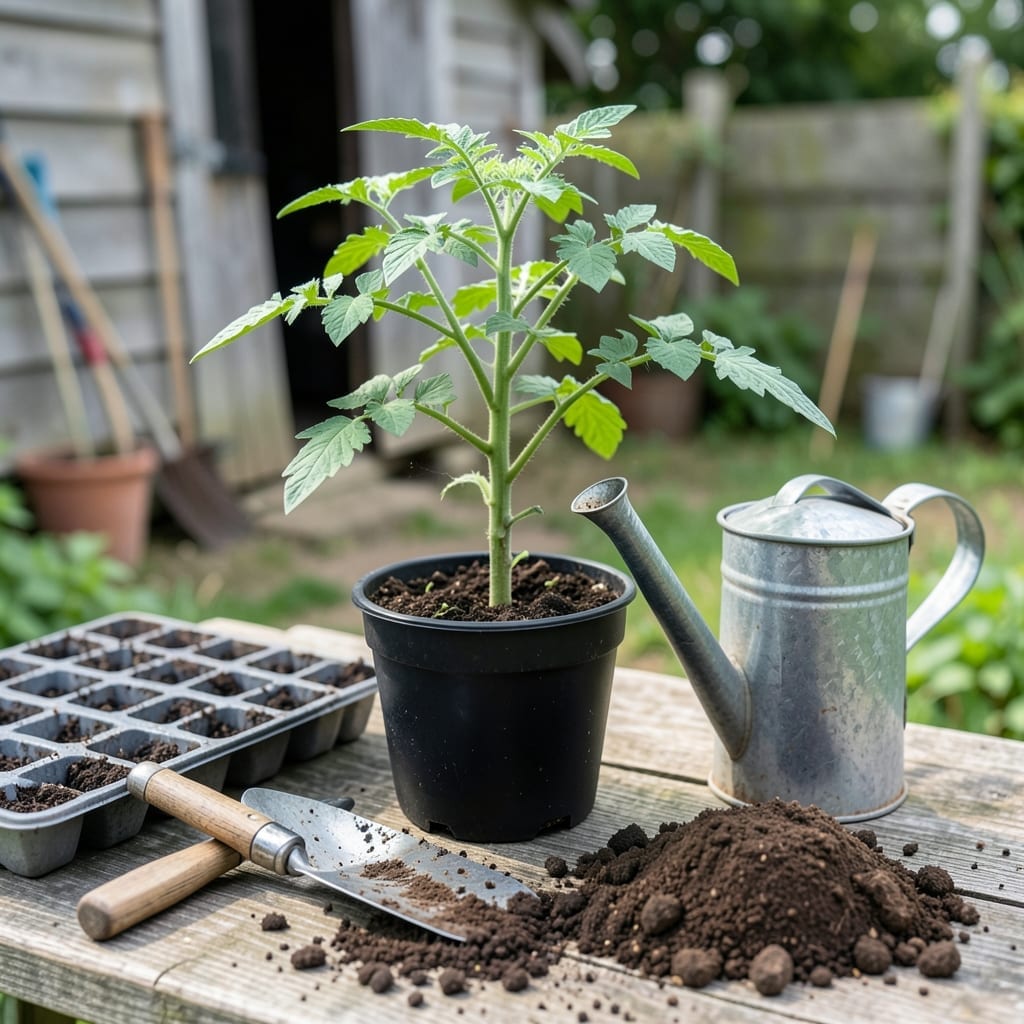
When Are Seedlings Ready to Transplant: True Leaf Signs and Methods

When Are Seedlings Ready to Transplant: True Leaf Signs and Methods

Timing is everything when it comes to moving your 🌱 Seedlings to their permanent home. Transplant too soon, and you risk shocking their delicate systems. Wait too long, and they may become root-bound and stunted.

I remember the first time I moved my Seedlings outdoors—it was a nerve-wracking experience. But once I learned the key signs to look for, the process became easier and far more successful.

Watch for 2-3 sets of true leaves and a sturdy stem as your green light. These signs mean your Seedlings are ready to handle the big, wide world of your garden.

Discover the simple but crucial steps to ensure your Seedlings thrive after transplanting. Let’s get them growing strong from the start.

Style 16: Quick Tips – General
🌅
Morning
Pick early for best flavor & crunch
✂️
Clean Cut
Use scissors, don’t pull or twist
🔄
Check Daily
Ripeness can change overnight!

Key Signs Your Seedlings Are Ready for Transplanting

Transplanting at the right time is critical for healthy growth. I’ve learned the hard way that moving seedlings too early can set them back for weeks. The first sign I look for is true leaves development.

Those initial leaves, called cotyledons, aren’t the ones that count. You need to see 2-3 sets of real leaves before considering a move. This indicates your seedling has matured enough to handle the stress of transplanting.

SignDescription
True Leaves2-3 sets of real leaves, not cotyledons
Stem ThicknessThick and sturdy, not spindly
Root SystemRoots fill container but aren’t circling
Seedling Height2-3 inches tall for most varieties
Overall HealthVibrant color, no wilting

Another key indicator is the stem thickness. A sturdy stem means your seedling can support itself in the garden. If it’s thin and weak, it’s not ready yet. I always give mine a gentle touch test to check for strength.

The root system tells a story too. When roots start peeking out of the drainage holes, it’s time. But if they’re circling the pot, you’ve waited too long. Aim for roots that fill the container but aren’t bound.

For most vegetable seedlings, a height of 2-3 inches is ideal. Tomato seedlings can be taller, but anything over 6 inches might be getting leggy. I’ve found that pepper plants do best at about 3 inches tall.

Don’t forget to check the overall health. Your seedlings should have vibrant green leaves and show no signs of wilting. If they look stressed, give them more time to recover before transplanting.

I always remind myself that patience pays off. Rushing the process can lead to transplant shock. Wait for these signs, and you’ll give your seedlings the best chance to thrive in their new home.

Remember, these guidelines work for most common garden plants. For finicky varieties like celery or onions, you might need to adjust your expectations slightly.

By watching for these key indicators, you’ll know exactly when your seedlings are ready to make the big move. It’s a simple system that has worked wonders in my garden.

🌱

Step-by-Step Guide to Hardening Off Seedlings Before Transplanting

Moving seedlings directly from indoors to the garden is a shock to their system. I learned this the hard way when my first batch of tomato seedlings wilted overnight. The solution is a gradual process called hardening off.

This process helps seedlings adjust to outdoor conditions like wind, direct sun, and temperature fluctuations. It typically takes 7-10 days of careful exposure to prepare them for their new home.

Hardening Off Timeline

  1. Days 1-2: Place seedlings outside for 1-2 hours in a shaded, sheltered spot.
  2. Days 3-4: Increase time to 3-4 hours with some morning sun exposure.
  3. Days 5-6: Extend to 5-6 hours with partial sun and light wind.
  4. Days 7-10: Leave out all day in full sun, bringing in only at night.

Start on a mild, cloudy day to avoid overwhelming your seedlings. I always check the weather forecast to avoid unexpected cold snaps or heavy rain during this period.

Protect them from strong winds and intense sunlight at first. A simple cloche or shade cloth can work wonders. I use an old window screen propped up with stakes for my delicate pepper plants.

Water your seedlings before taking them outside each day. This helps them stay hydrated during the transition. I also avoid fertilizing during hardening off to prevent stress.

By the end of the process, your seedlings should be sturdy and ready for permanent planting. I’ve found this method dramatically improves survival rates in my garden.

🌱
★★★★★4.5(9 reviews)