
Beautiful Plants For Your Interior
Beautiful Plants For Your Interior
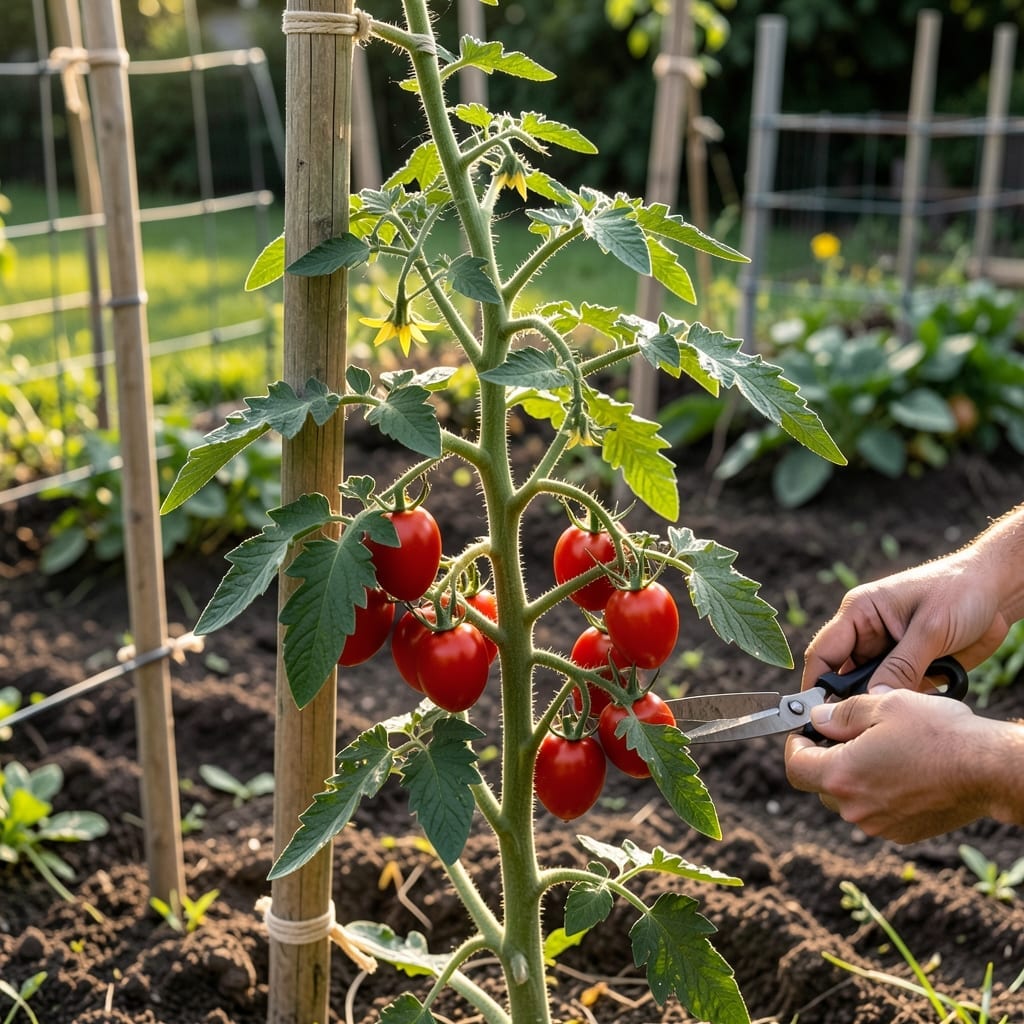
Knowing when Roma tomatoes are in season ensures you enjoy their rich, meaty flavor at peak freshness—whether you’re growing them or buying from local markets.
For gardeners in Zone 6, the spring planting window typically falls between April and May. This timing sets the stage for a bountiful harvest later in the summer.
You can expect your first ripe 🍅 Roma Tomatoes to appear around July, with the season extending through August in most regions. The wait is always worth it for that perfect, homegrown taste.
Discover how to make the most of this growing period and enjoy fresh tomatoes all season long. Let’s explore what makes this timeframe ideal for Roma varieties.
If you’ve ever wondered when Roma tomatoes are in season, the answer depends on where you’re growing them. These meaty, low-moisture tomatoes thrive in warm conditions, with most US regions seeing harvests from mid-summer to early fall. I’ve found that timing varies significantly by climate zone and local weather patterns.
In my experience, Roma tomatoes typically reach peak ripeness 70-80 days after transplanting. This makes them a favorite for gardeners in USDA Zones 3-11, though the exact window shifts based on spring frost dates and summer heat intensity.
| cell” style=”background-color:#6fd544;color:#000000;”>Planting Window | row”> | cell”>Feb-Mar or Sept-Oct | row”> | cell”>April-May | row”> | cell”>March-April | row”> | cell”>May-June | August-October |
In the Southern US, where winters are mild, I’ve successfully grown Roma tomatoes as a winter crop. Planting in late summer for a fall harvest works well in Zones 9-11, avoiding the intense summer heat that can stress the plants.
For the Midwest and Northeast, the growing season is more constrained. I recommend starting seeds indoors 6-8 weeks before the last frost to get a head start. This ensures your Roma plants have enough time to mature before cooler temperatures set in.
The West Coast offers the longest growing window. In California and Oregon, you can often get two harvests per year—one in early summer and another in early fall—thanks to the moderate climate.
Climate plays a huge role in fruit quality too. In my garden, Roma tomatoes grown in consistent 75-85°F temperatures develop the best flavor and texture. Extreme heat can cause blossom drop, while cool nights slow ripening.
Soil temperature is another critical factor. I always wait until soil reaches at least 60°F before transplanting. Using black plastic mulch can help warm the soil faster in cooler climates, giving your plants a better start.
If you’re in a region with short growing seasons, consider choosing early-maturing Roma varieties. Some are ready in as little as 60 days, which can make all the difference in areas with early frosts.
Remember that local microclimates can shift these timelines. Urban areas, coastal regions, and mountain valleys all have unique conditions. I always check with local extension offices for the most accurate planting dates for my specific area.
For the most reliable Roma tomato season, I recommend keeping a garden journal to track your planting dates and harvest times. This helps you refine your approach each year based on your specific conditions.
I love growing Roma tomatoes because their meaty texture and rich flavor make them perfect for sauces and canning. But why settle for one harvest when you can stretch it out?
With a few simple techniques, you can enjoy fresh Roma tomatoes for weeks longer than the typical 70-90 day window. It’s all about working with your climate and planting strategy. ☀️
One of my favorite tricks is succession planting. By starting a new batch of Roma tomato seeds every few weeks, I ensure a continuous supply instead of one big flush. This works especially well in warmer climates where the growing season is long.
Row covers are another game-changer. They shield plants from unexpected cold snaps in early spring or late fall, giving you extra weeks of productivity. Just
For gardeners in cooler regions, consider container growing. Roma tomatoes thrive in large pots, and you can move them indoors or to a greenhouse when the weather turns. This extends your season by 4-6 weeks easily.
Finally, don’t overlook variety selection. Some Roma types mature in 70 days, while others take up to 90 days. Planting a mix ensures you’ll have ripe tomatoes from mid-summer to early fall. 🌱