
Beautiful Plants For Your Interior
Beautiful Plants For Your Interior
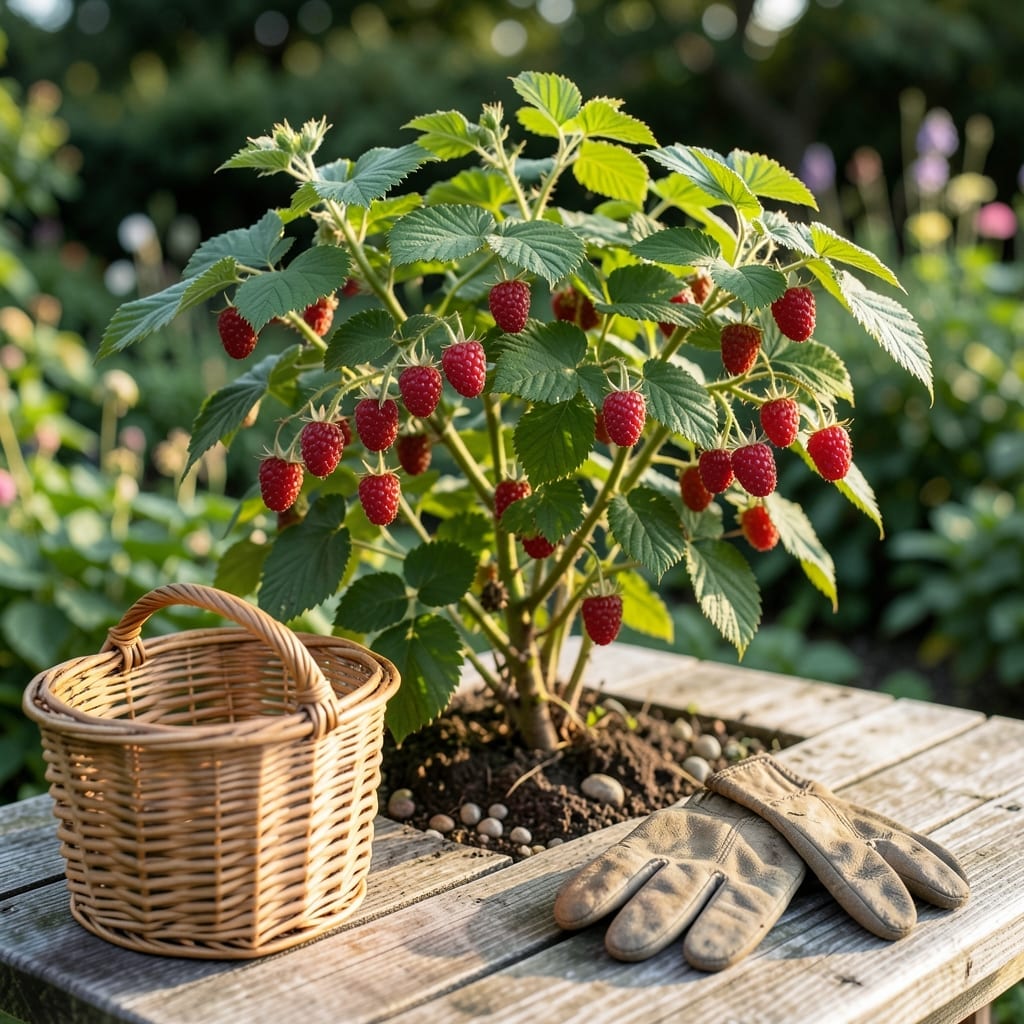
Nothing beats the taste of fresh 🍇 Raspberry straight from the garden, but knowing exactly when to harvest can be tricky. The season varies by type, climate, and even the specific variety you’re growing.
I’ve learned that timing is everything when it comes to these delicious berries. Whether you’re growing summer-bearing or everbearing varieties, the harvest window can shift dramatically based on your location.
Discover how to pinpoint the perfect picking time for your Raspberry plants and enjoy the sweetest, juiciest berries all season long.
If you’re growing summer-bearing raspberries, you can expect a single, abundant harvest. These varieties typically ripen in early to mid-summer, usually between June and July, depending on your climate zone and local conditions.
For gardeners in cooler climates, the season might start a bit later. I’ve seen my summer raspberries peak in late July in zone 5, while warmer zones may begin harvesting as early as May. The key is watching for deep color and easy separation from the plant.
| Variety | Harvest Window | Typical Yield Period |
|---|---|---|
| Summer-bearing | June – July | 2-3 weeks |
| Everbearing (Fall) | August – October | 4-6 weeks |
| Everbearing (Summer) | July – August | 3-4 weeks |
Everbearing raspberries are the gift that keeps on giving. These varieties produce two crops per year: a summer harvest and a fall harvest. The first crop is usually smaller, while the second, in late summer to early fall, tends to be more abundant.
In my experience, fall-bearing everbearing varieties like ‘Heritage’ or ‘Autumn Bliss’ can produce berries well into October in milder climates. They’re perfect for gardeners who want to extend their raspberry season without planting multiple types.
The climate plays a huge role in your harvest timing. In warmer USDA zones (7-9), raspberries may ripen 2-3 weeks earlier than in cooler areas (zones 3-5). Coastal regions with mild summers might see a longer, more spread-out harvest.
I always recommend checking your local frost dates as a guideline. Raspberries typically need 120-180 frost-free days to mature. In my zone 6 garden, I start seeing flowers in late spring and berries by early summer.
For the earliest possible harvest, consider planting in a south-facing location with full sun exposure. This can accelerate ripening by 1-2 weeks. Just be sure to protect plants from late frosts that could damage emerging blooms.
If you’re in a region with hot summers, afternoon shade can actually improve berry quality by preventing sunscald. My fall raspberries always taste sweeter when they get a bit of shade relief during the hottest part of the day.
Remember that first-year canes (primocanes) on everbearing varieties will produce their first crop in late summer or fall. The second-year canes (floricanes) will give you that early summer harvest the following year.
Proper pruning is essential for maximizing your harvest window. I remove old floricanes immediately after they finish fruiting to make room for new growth and next year’s crop.
I’ve found that with a few simple strategies, you can enjoy fresh raspberries for months instead of just weeks. The key is variety selection and smart planting techniques that stagger your harvests throughout the growing season.
One of my favorite methods is succession planting. By planting early, mid-season, and late varieties, you create overlapping harvest windows. For example, pairing ‘Nova’ (early summer) with ‘Heritage’ (fall) gives me berries from June through October.
Another trick I swear by is container gardening. Potted raspberries can be moved to warmer spots in early spring or shadier areas during heatwaves. This gives you more control over the microclimate and can extend production by several weeks.
For everbearing varieties, proper pruning is essential. If you cut back all canes in late winter, you’ll get one big fall harvest. But if you leave some canes unpruned, you’ll get both a summer and fall crop, just smaller yields each time.
Don’t underestimate the power of season extenders. A simple frost blanket in spring can protect blossoms from late cold snaps, while shade cloth in summer prevents berries from overheating and dropping prematurely.
Finally, healthy plants produce longer. I make sure my raspberries get consistent moisture (especially during fruiting) and balanced fertilizer in early spring. A mulch layer helps retain soil moisture and keeps roots cool during hot spells. ☀️