
Beautiful Plants For Your Interior
Beautiful Plants For Your Interior
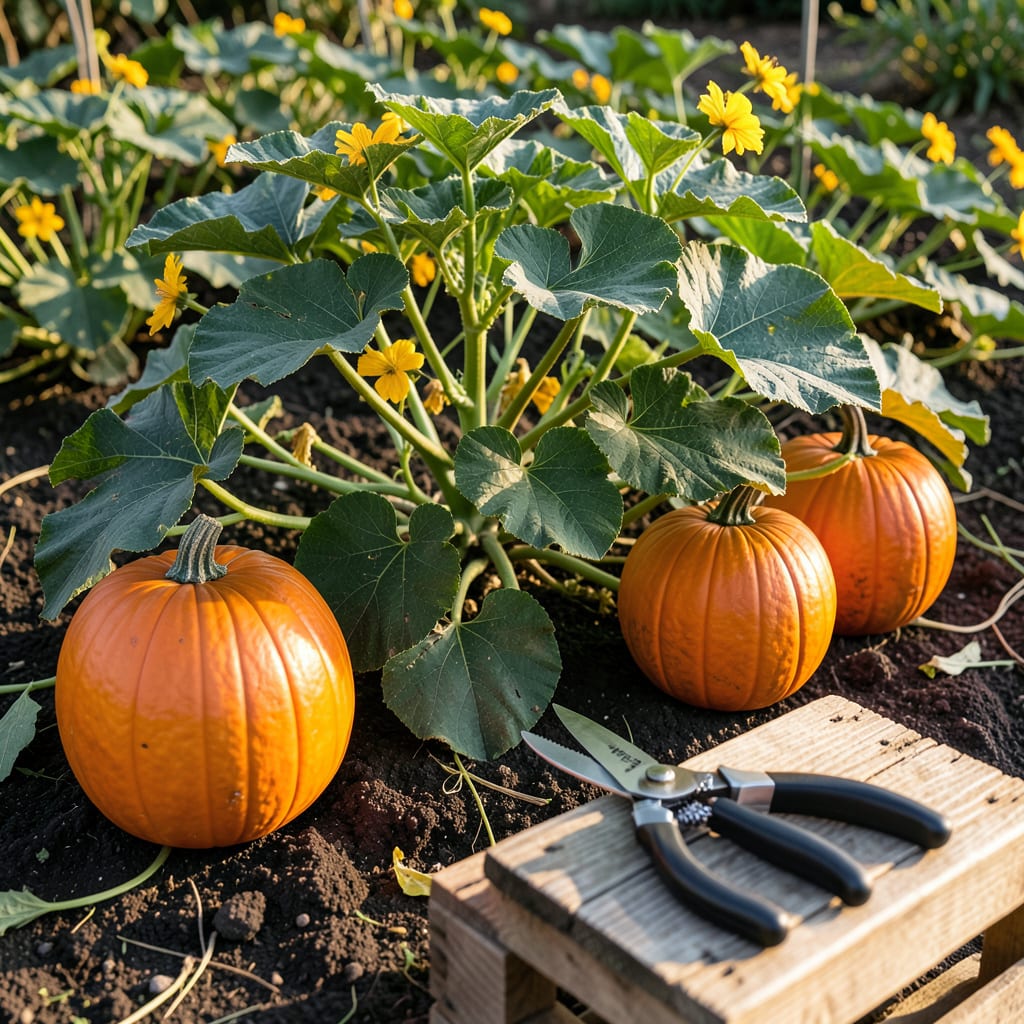
There’s nothing worse than cutting open a pumpkin 🎃 only to find it’s not quite ready. Timing your harvest perfectly ensures the best flavor and storage life for your crop.
From the deep orange hue to the hard rind and dry stem, I’ll show you the key signs to watch for. Let’s make sure your harvest is a success this season.


I’ve learned that timing is everything when harvesting pumpkins. Picking too early means soft flesh, while waiting too long risks frost damage. The good news is your plants will tell you exactly when they’re ready.
From the deep orange color to the hard rind, there are clear signals. I always check multiple signs to be sure, as one indicator alone isn’t always reliable.
The color change is often the first sign I notice. For Jack-O’-Lantern varieties, a deep, uniform orange means it’s nearly time. But color alone isn’t enough—always pair it with other tests.
Next, I test the rind hardness. If my fingernail leaves a mark or punctures the skin, the pumpkin needs more time. A mature pumpkin will have a tough exterior that resists pressure.
Another reliable check is the stem condition. A green stem usually means the pumpkin isn’t ready. Once it turns brown and dry, like cured wood, it’s a great indicator of ripeness.
The sound test is one of my favorites. Tap the pumpkin with your knuckles—if it sounds hollow and deep, it’s likely ready. A dull or flat sound suggests it needs more time on the vine.
Finally, watch the vines and leaves. As pumpkins ripen, the vines start to die back, turning brown and brittle. This is nature’s way of telling you the fruit has reached maturity.
I also pay attention to the days to maturity for my specific variety. Most pumpkins take 75 to 100 days from planting to harvest, but this can vary by type and growing conditions.
Remember, harvest before the first frost. Pumpkins can’t tolerate freezing temperatures, so keep an eye on the weather. If frost is forecasted, it’s better to pick them early and let them ripen indoors.
By combining these visual and physical signs, you’ll never second-guess your pumpkin harvest again. I’ve found that using multiple checks gives me the most accurate results every time. 🌱
Not all pumpkins ripen on the same schedule. I’ve found that variety selection plays a huge role in determining harvest time. Some types mature in as little as 75 days, while others need up to 120 days.
Knowing your pumpkin’s days-to-maturity range helps you plan. But I always combine this with the visual ripeness signs we discussed earlier for the best results.
| Variety | Days to Maturity | Harvest Window |
|---|---|---|
| Jack-O’-Lantern | 90-110 | Mid-September to October |
| Sugar Pie | 95-105 | Late September to October |
| Miniature | 75-90 | Late August to September |
| Atlantic Giant | 120-140 | October to early November |
The Jack-O’-Lantern is a classic choice for many gardeners. It typically needs 90 to 110 days to mature, making it perfect for a fall harvest. I like to plant these in late May for an October harvest.
For baking and pies, the Sugar Pie pumpkin is my go-to. These take about 95 to 105 days and are usually ready by late September. Their sweet, dense flesh makes them ideal for culinary uses.
Miniature varieties are great for early harvests. They mature in just 75 to 90 days, so you can enjoy pumpkins as early as late August. These are perfect for small spaces or container gardening.
If you’re aiming for giant pumpkins, the Atlantic Giant variety needs the longest time—120 to 140 days. These monsters can grow to hundreds of pounds but require a long, warm growing season.
Regional climate affects these timelines too. In cooler areas, I start seeds indoors or use black plastic mulch to warm the soil. In hotter climates, I plant a bit later to avoid heat stress during fruiting. 🌱
Even with the best intentions, I’ve seen gardeners make critical errors that ruin their pumpkin harvest. Timing and technique matter just as much as knowing the ripeness signs. One wrong move can cut short your pumpkin’s storage life.
From cutting too early to mishandling the stem, these common mistakes are easily avoidable with a little know-how. I’ll share the pitfalls I’ve learned to steer clear of over the years.
Harvesting Too Early: Picking before full maturity leads to soft flesh and poor storage.
Cutting the Stem Too Short: Always leave 3-4 inches of stem to prevent rot.
Ignoring Frost Warnings: Pumpkins can’t survive frost—harvest before temperatures drop.
Carrying by the Stem: This can damage the vine and cause premature rotting.
The most common mistake is harvesting too early. I’ve been tempted to pick pumpkins when they first turn orange, but a soft rind means they’re not ready. Always confirm with the fingernail test and other signs.
Cutting the stem too short is another error that leads to problems. The stem acts as a seal—if it’s too short, moisture and pests can enter, causing early spoilage. I use sharp pruners and leave plenty of length.
In my experience, ignoring frost warnings is a gamble you’ll regret. Even a light frost can damage pumpkins. I check the weather forecast regularly and harvest before cold snaps. If frost is imminent, I’ll pick them early and let them ripen indoors. 🌱
Check for a hard rind that resists fingernail pressure, a dry woody stem, and a hollow sound when tapped. These are the most reliable non-invasive tests.
Early harvesting results in soft flesh, poor flavor, and decreased storage life. They won’t ripen properly off the vine if picked before maturity.
They won’t develop sweeter flesh off the vine, but green ones can turn orange indoors. However, they’ll lack the texture and flavor of vine-ripened ones.
Always harvest before the first frost. Even light frost damages pumpkins. If cold weather is coming, pick them early and cure indoors.
