
Beautiful Plants For Your Interior
Beautiful Plants For Your Interior
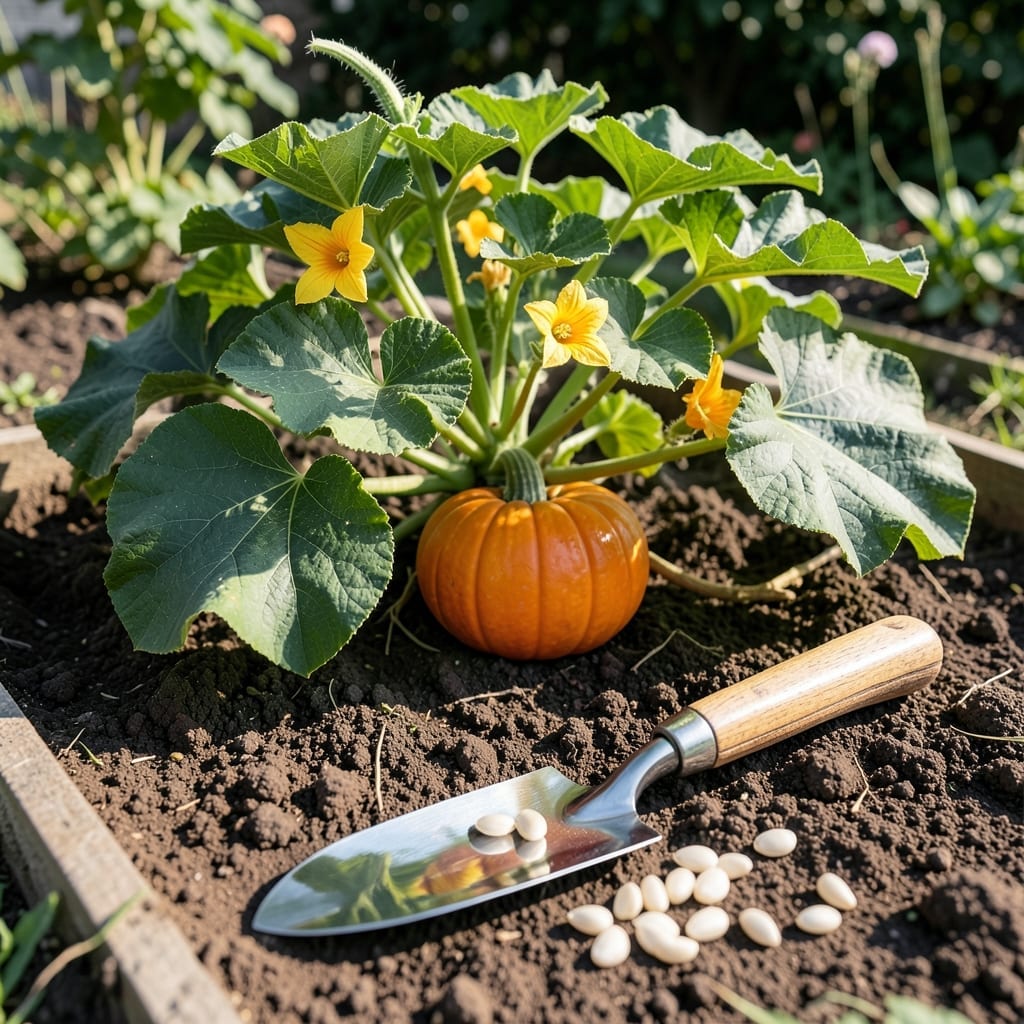
Timing is everything when it comes to growing the perfect 🎃 Pumpkin. Plant those seeds too early, and a late frost could wipe out your seedlings. Plant too late, and you’ll be left with small, unripe pumpkins when autumn arrives.
Getting it right means understanding your local climate and soil conditions. For most gardeners in zone 6, the sweet spot is between May and June, when the soil is warm enough to support healthy germination.
I’ll walk you through the best practices so you can enjoy a thriving Pumpkin patch. Let’s make this your most successful growing season yet.
The key to a thriving pumpkin patch is planting at the right time. In my experience, soil temperature is the most critical factor. Pumpkin seeds need soil that’s at least 60°F, but ideally between 70-90°F for optimal germination. Planting too early in cold soil can lead to poor sprouting or rot.
Timing also depends on your USDA hardiness zone. Gardeners in cooler climates, like zone 3 or 4, should wait until late May or early June. In warmer zones, like 7 or 8, you can start as early as April. Always check your last frost date and plant after the risk has passed.
| Pumpkin Planting Guide by Zone | |
| Climate Zone | Best Planting Window |
| Cool (Zones 3-4) | Late May – Early June |
| Moderate (Zones 5-6) | Mid-April – Early May |
| Warm (Zones 7-8) | March – Early April |
| Hot (Zones 9-10) | February – March |
In cooler zones, I recommend using black plastic mulch to warm the soil faster. This simple trick can give you a head start of a few weeks. Just lay it down a couple of weeks before planting to trap heat from the sun.
For those in moderate climates, like zone 6, aim to plant 2-3 weeks after your last frost date. This usually falls in mid-April to early May. The soil should be warm enough, and the risk of frost minimal, giving your pumpkins the best chance to mature before fall.
In warmer zones, you have more flexibility. However, avoid planting too late in the season, as pumpkins need 75-120 days to mature. If you plant in late summer, your pumpkins may not have enough time to fully develop before the first frost.
If you’re unsure about your soil temperature, use a soil thermometer. It’s an inexpensive tool that takes the guesswork out of planting. I always check the temperature at a depth of 4 inches, where the seeds will be planted.
Another tip is to watch the weather forecast. Even if your average last frost date has passed, a surprise cold snap can still happen. If cold nights are predicted, cover your newly planted seeds with row covers or cloches for protection.
Remember, pumpkins are warm-season crops, so they thrive in heat. If you live in a region with a short growing season, consider starting seeds indoors 2-4 weeks before transplanting them outside. This can extend your growing window significantly.
Finally, keep in mind that variety matters. Smaller pumpkins, like Jack Be Little, mature faster and can be planted later in the season. Larger varieties, such as Atlantic Giant, need more time, so plant them earlier.
With these tips, you’ll be well on your way to a pumpkin harvest that’s the envy of the neighborhood 🎃
Preparing your soil properly is just as important as timing when planting pumpkin seeds. I always start by testing the soil pH, aiming for a slightly acidic to neutral range of 6.0-6.8. This ensures the seeds can access essential nutrients.
Pumpkins thrive in well-draining soil rich in organic matter. I mix in plenty of compost or aged manure before planting. This not only improves soil fertility but also enhances moisture retention, which is crucial for young seedlings.
When planting, I place 2-3 seeds per hole, about 1 inch deep. Once the seedlings emerge and develop their first true leaves, I thin them to the strongest plant. This prevents overcrowding and ensures each pumpkin vine has enough space.
Direct sowing is my preferred method, but if you’re in a region with a short growing season, starting seeds indoors can help. Use biodegradable pots to avoid disturbing the roots during transplanting.
After planting, water the seeds gently but thoroughly. I use a watering can or a hose with a soft spray nozzle to avoid washing away the soil. Keep the soil consistently moist until germination, which usually takes 5-10 days.
Finally, I recommend mulching around the plants with straw or shredded leaves. This helps retain moisture, suppress weeds, and keep the soil temperature stable. With these steps, your pumpkin seeds will have the best start possible 🌱