
Beautiful Plants For Your Interior
Beautiful Plants For Your Interior
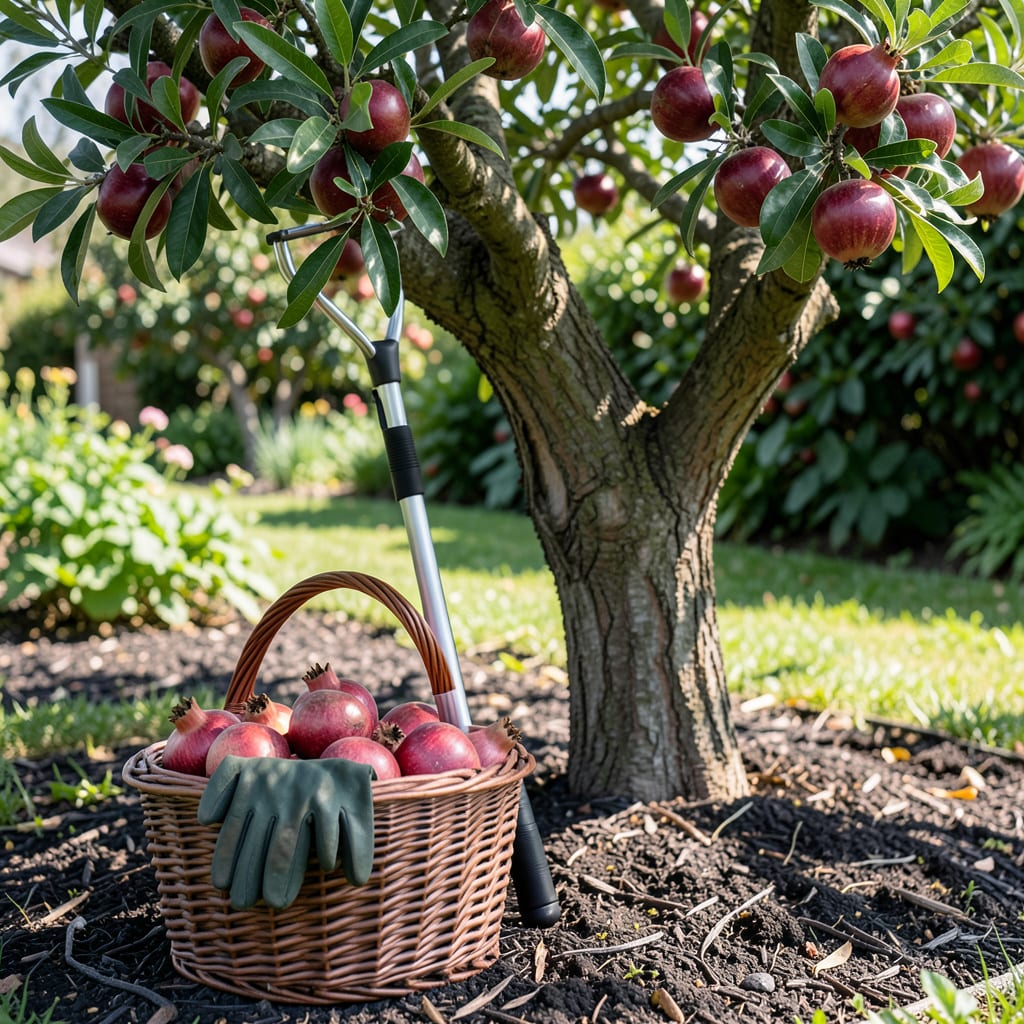
That moment when your 🍎 pomegranate tree finally bears fruit—only to leave you guessing: Is it ready yet? Pick too soon, and you’ll get mouth-puckering tartness. Wait too long, and you risk split skins or overripe mush.
Timing is everything, but it’s not just about the calendar. I’ll show you the exact signs to look for—from color shifts to the telltale thud test—so you harvest at peak sweetness. No more guesswork, just perfect pomegranates every time.


If you’ve ever wondered why your neighbor’s pomegranates are ready in September while yours linger until November, it’s all about location and variety. The same ‘Wonderful’ pomegranate might ripen a full month earlier in California’s Central Valley than in Arizona’s high desert.
Climate plays a huge role—hotter zones speed up ripening, while cooler areas slow it down. Even the type of pomegranate matters: ‘Eversweet’ often matures 2-3 weeks earlier than ‘Haku Botan’. Let’s break it down by region and cultivar.
| Variety | USDA Zones | Harvest Window | Days to Ripen |
|---|---|---|---|
| Wonderful | 7-11 | Sept–Oct | 160–180 |
| Eversweet | 8-11 | Aug–Sept | 140–160 |
| Haku Botan | 7-10 | Oct–Nov | 180–200 |
| Angel Red | 6-9 | Late Sept | 150–170 |
🌡️ Note: Add 7–10 days for cooler microclimates or subtract for extreme heat.
In California (Zones 8-10), most pomegranates hit peak ripeness between late September and mid-October. But head to Florida (Zone 9), and the humid heat can push harvests into early November. Desert growers in Arizona often pick by late August—the dry air accelerates sugar concentration.
For early-season varieties like ‘Early Wonderful’, start checking fruit in mid-August. Late-season types (think ‘Sweet’ or ‘Utah Sweet’) might not be ready until November. Pro tip: Jot down your first bloom date—most pomegranates need 150–200 days from flower to harvest.
If you’re growing in cooler zones (6-7), watch for frost warnings. A light frost won’t hurt the fruit, but a hard freeze can damage the skin. In these areas, I recommend harvesting earlier and letting pomegranates ripen indoors at room temperature for a week.
Still unsure? When in doubt, test one fruit first. Cut it open to check the arils’ color—they should be deep ruby-red, not pale pink. And remember: Pomegranates don’t ripen further once picked, so patience pays off! 🌳
Timing your pomegranate harvest isn’t just about flavor—it affects storage life, seed texture, and even whether the fruit splits before you can enjoy it. Pick too soon, and you’re stuck with hard seeds and sour arils that’ll make your cheeks pucker.
Wait too long, and the fruit might crack open on the tree, inviting pests or rot. I’ve seen gardeners lose half their crop because they hesitated just a week too long. The sweet spot is a narrow window—usually 7–10 days—where sugar peaks and acids mellow.
🌡️ Pro Tip: Underripe pomegranates won’t sweetten off the tree, but overripe ones can be salvaged for juice or molasses.
If you’ve accidentally picked early, don’t panic—try the paper bag trick. Place the fruit in a bag with a ripe banana for 3–5 days. The ethylene gas can soften seeds slightly, though it won’t boost sugar. For late harvests, refrigerate immediately to slow fermentation.
Here’s my foolproof test: Tap the fruit with your fingernail. A metallic ping means it’s underripe; a dull thud signals perfection. And always check the stem end—if it’s still green, walk away. That’s your tree’s way of saying, “Not yet!” 🌿
Remember, pomegranates don’t ripen after picking like avocados. What you harvest is what you get, so when in doubt, wait one more week. I’ve found that extra time often turns a “meh” fruit into a showstopper. Your patience will pay off in every juicy bite! 🪴
Listen for the thud test: Tap the fruit gently. A metallic ping means it’s underripe, while a dull thud indicates perfect ripeness. Also, check the skin—it should feel slightly leathery, not smooth or shiny.
No, they won’t sweeten further once harvested. Unlike bananas or avocados, pomegranates halt ripening the moment they’re picked. If you harvest early, the seeds stay hard and the flavor remains tart. Always wait for full ripeness on the tree.
Store whole fruit in a cool, dark place (like a root cellar) for up to 2-3 months. For shorter storage, refrigerate in a paper bag to maintain humidity. Avoid plastic—it traps moisture and speeds up rot.
A light frost won’t harm the fruit, but a hard freeze can damage the skin. In cooler zones, harvest before temperatures drop below 28°F. If frost is forecast, pick early and let them finish ripening indoors at room temperature.
