
Beautiful Plants For Your Interior
Beautiful Plants For Your Interior
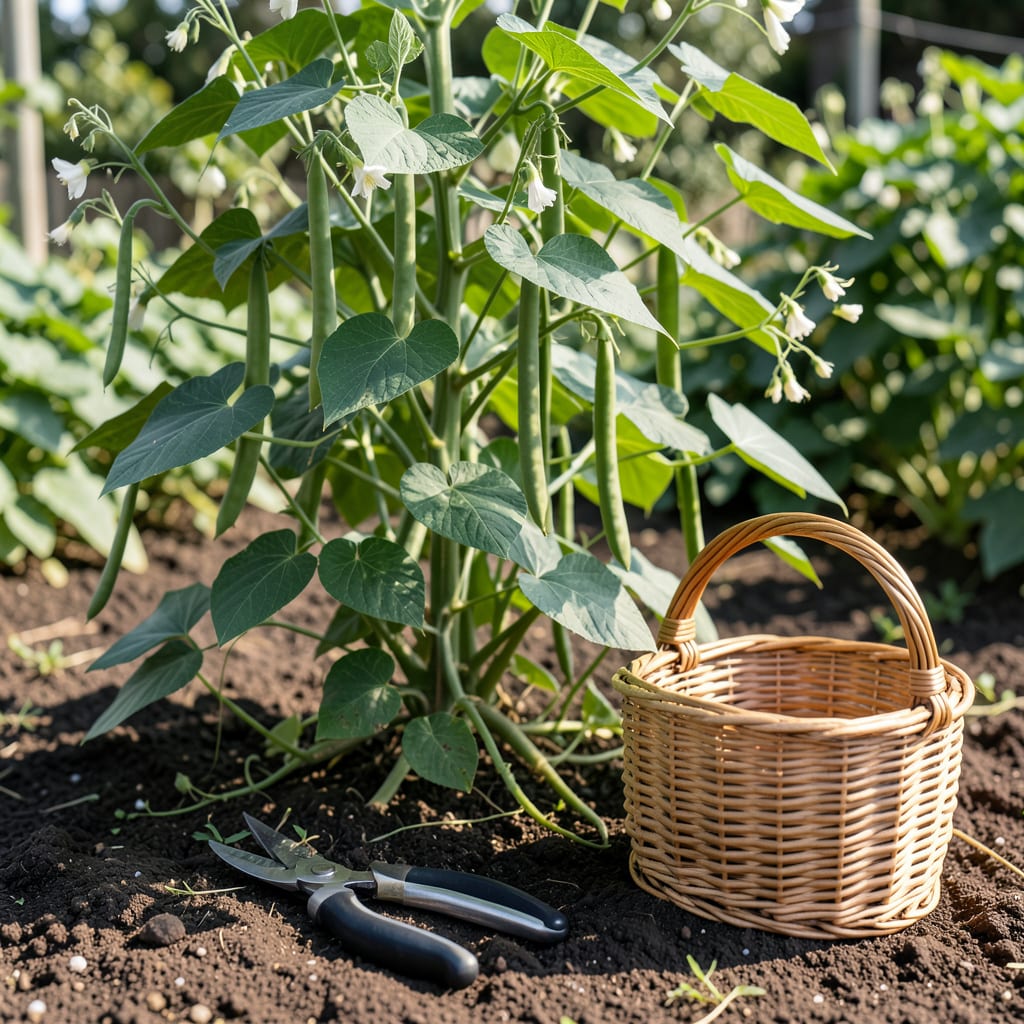
There’s nothing better than the crisp snap of fresh 🌱 Pole Beans straight from the vine. But knowing the perfect moment to pick them can feel like a guessing game.
I’ll show you the exact visual cues to look for, so you’ll always harvest at peak flavor. From size to texture, these simple signs will make all the difference.


I love watching my pole bean vines climb higher each day, but the real magic happens when those tender pods start forming. Knowing the exact moment to pick ensures you get the best flavor and texture every time.
The first sign I look for is pod size. Most varieties like Kentucky Wonder are ready when they reach 4-6 inches long. Smaller than that, and they haven’t developed their full sweetness yet.
| Harvest Sign | Description | Variety Note |
|---|---|---|
| Pod Length | 4-6 inches long | Kentucky Wonder |
| Texture | Smooth and firm | All varieties |
| Snap Test | Breaks cleanly when bent | Scarlet Runner |
| Color | Uniform green or purple | Purple varieties |
| Seed Visibility | Seeds not visible as bulges | All varieties |
Another key indicator is the snap test. When I gently bend a pod, a crisp snap tells me it’s at peak tenderness. If it bends without breaking, it’s either underripe or past its prime.
For Scarlet Runner beans, color is a great cue. They often turn a deep purple when ready, while green varieties should have a vibrant, uniform color without yellowing or spots.
I also check the texture of the pods. Ready beans feel smooth and firm to the touch. If they’re rubbery or tough, they’ve likely been on the vine too long.
Don’t wait for seeds to bulge—that’s a sign the beans are overmature. At that point, they’re better suited for drying rather than fresh eating.
Timing-wise, most pole beans are ready to harvest 50-70 days after planting. I start checking daily once the first pods appear, as they can go from perfect to overripe quickly.
Early morning is my favorite time to pick. The pods are crispest after the cool night air, and the plants are less stressed from heat. Plus, it’s a peaceful way to start the day in the garden.
If you’re growing heirloom varieties, keep in mind they might have slightly different cues. For example, Yardlong beans can grow much longer but are best harvested at 12-18 inches for optimal tenderness.
I always use sharp scissors or pruning shears to harvest my pole beans. This prevents tearing the delicate vines, which can reduce future production and invite disease.
When I pick, I hold the vine steady with one hand while cutting the pod with the other. This gentle approach keeps the plant healthy and encourages more new pods to form.
I’ve found that morning harvesting gives the best results. The pods are at their peak crispness after the cool night, and the plants are less stressed from the day’s heat.
Never pull or twist pods off the vine. This can damage the plant structure and reduce your overall harvest. A clean cut is always the best approach for healthy vines.
I make it a habit to check my plants daily once pods start appearing. Pole beans can go from perfect to overripe in just a day or two, especially in hot weather.
For continuous harvests, I remove any overmature pods I missed. This redirects the plant’s energy to producing new beans rather than maturing old ones. ✂️
Even experienced gardeners can make simple mistakes that ruin a perfect pole bean harvest. I’ve learned the hard way that timing and technique matter just as much as plant care during the growing season.
One of the biggest errors is waiting too long to pick. Once those seeds start bulging in the pods, the beans become tough and starchy. For the best flavor, I harvest when pods are smooth and firm.
⚠️ Avoid These Harvest Mistakes
Harvesting too late leads to tough, fibrous pods that lose their crisp texture.
Using dull tools crushes stems and invites disease to your plants.
Ignoring daily checks means missing the perfect picking window entirely.
Another common pitfall is using dull tools. A clean, sharp cut prevents vine damage and keeps your plants productive. I always keep a pair of pruning shears handy for this reason.
I also see gardeners pulling pods instead of cutting them. This can tear the vines and reduce future yields. A gentle snip at the stem base is the way to go.
Finally, don’t forget to check plants daily once pods appear. In hot weather, beans can go from perfect to overripe in 24-48 hours. Staying on top of harvesting ensures a steady supply of tender, flavorful beans. ✂️
Most varieties reach harvest readiness in 50-70 days after planting. Start checking daily once pods appear, as they mature quickly in warm weather.
Harvesting underripe beans means you’ll miss their full sweetness and tenderness. Pods should be 4-6 inches long and snap crisply when bent before picking.
No, once seeds bulge, the pods become tough and starchy. These are better suited for drying rather than fresh eating. Always pick before this stage.
Early morning is ideal. The pods are crispest after cool nights, and plants are less stressed by heat. Use sharp tools for clean cuts.
