
Beautiful Plants For Your Interior
Beautiful Plants For Your Interior
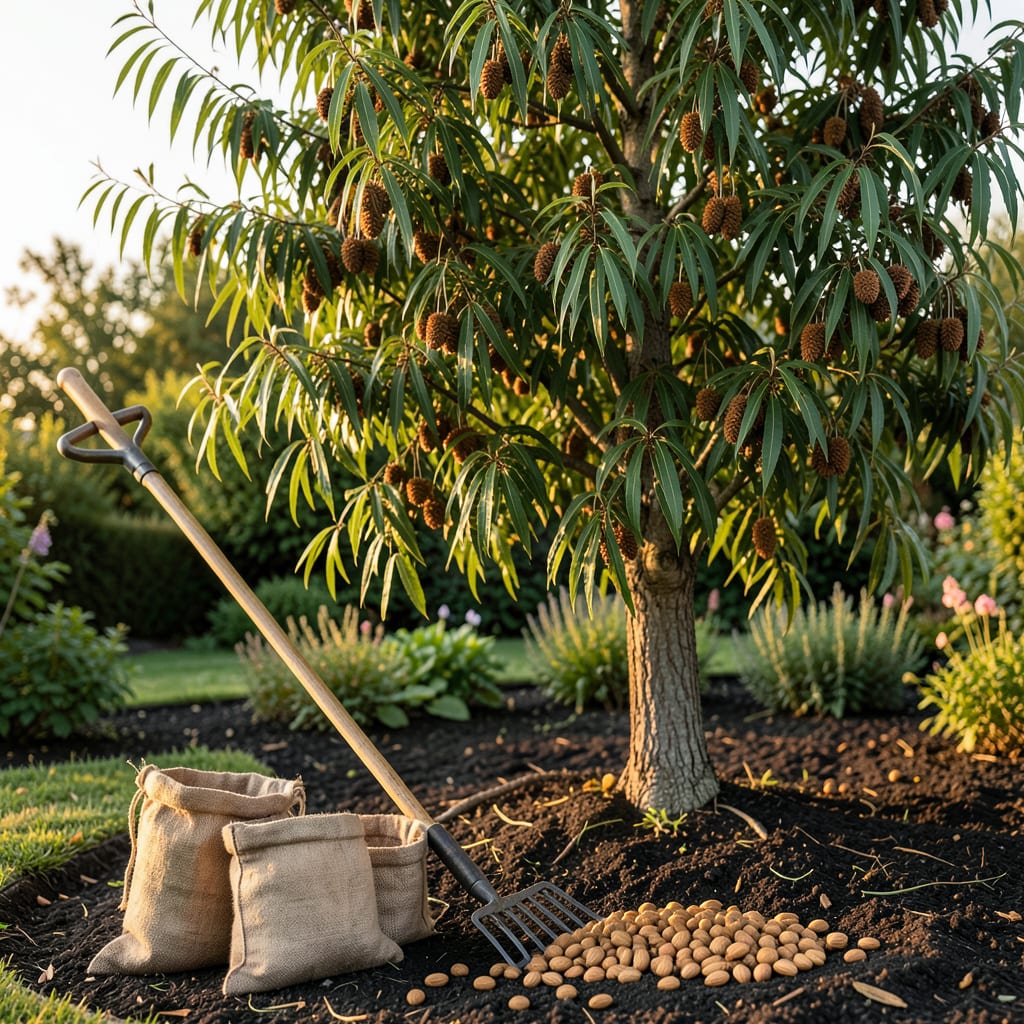
Ever stared at your pecan tree in September wondering if those nuts are ready? The difference between perfect harvest and disappointment comes down to knowing the right signs.
I’ll show you exactly how to spot when your 🌰 pecans are at their peak. From hull splits to taste tests, you’ll learn to pick them at the ideal moment every time.


Timing your pecan harvest perfectly starts with knowing the visual cues of ripeness. I look for the hull split first, as this is the most telling sign. The outer husk will change from green to brown and begin to open naturally.
The next indicator is when the nuts separate from the husk easily. A gentle shake of the branch should release ripe pecans. The shell hardness also increases as they mature, but the kernel inside remains plump and fully formed.
| Visual Sign | Description |
|---|---|
| Hull Split | Husk turns brown and opens naturally |
| Color Change | Nut shell shifts from green to tan |
| Easy Separation | Nuts detach from husk with light pressure |
| Kernel Development | Inside meat is firm and fills shell completely |
Regional differences affect harvest timing. In northern zones, pecans typically ripen in late September through October. Southern growers often see their harvest window extend into early November due to warmer climates.
I’ve noticed that tree age matters too. Mature pecan trees (10+ years) often produce earlier than younger ones. Also, varietal differences exist—Stuart pecans may ripen earlier than Desirable in the same orchard.
Weather plays a huge role. A dry autumn can speed up the process, while excessive rain might delay it. I always check the local forecast when planning my harvest, aiming for a stretch of dry days to make gathering easier.
Another trick I use is the shake test. If I can dislodge several pecans with a firm shake of the branch, they’re likely ready. The nuts that fall naturally are usually the ripest, so I prioritize collecting those first.
Don’t overlook the sound test either. Ripe pecans will rattle inside their shells when shaken. This auditory clue, combined with the visual signs, gives me confidence that the nuts are at their peak ripeness.
For the best flavor and storage life, I aim to harvest when 75-80% of the husks have split open. This ensures most nuts are mature while preventing overripening, which can lead to kernel shriveling or increased susceptibility to pests.
Finally, always wear gloves when handling pecans. The husks can be surprisingly sharp, and the tannins in unripe nuts may stain your hands. A little preparation makes the harvest process much more enjoyable.
🌰Testing pecan ripeness goes beyond visual cues. I always start by sampling a few nuts from different parts of the tree. The kernel should snap cleanly and taste sweet, not bitter or milky.
A fully ripe pecan will have a firm, crunchy texture and a rich, buttery flavor. If the kernel feels rubbery or the taste is bland, the nuts need more time to mature on the tree.
Another method I rely on is the shake test. Gently shake a branch—if ripe pecans fall easily, they’re ready to harvest. This works especially well for mature pecan trees with heavy crops.
Be careful not to harvest too early. Premature pecans won’t develop their full flavor and may shrivel during drying. I once picked a batch too soon and ended up with small, bitter nuts that weren’t worth the effort.
On the flip side, leaving pecans too long on the tree can lead to over-ripening. The kernels may darken or develop an off flavor. Aim to gather them as soon as they’re ripe, especially if wildlife or weather poses a threat.
For the best results, I combine visual signs with taste and texture tests. This ensures I’m picking at the peak of ripeness every time. 🌰
When I’m ready to harvest my pecan trees, I look for the first sign: husks splitting open and turning brown. This usually happens in late September through November, depending on your region and tree variety.
Another key indicator is when the nuts start falling from the tree naturally. I check the ground daily once the first nuts drop, as this signals the peak harvest window is near.
🌰 Pro Harvesting Tip:
Use a long pole or tree shaker to gently dislodge ripe pecans. Collect them daily to prevent squirrel theft or moisture damage from dew.
I always harvest in the morning when the nuts are dry. Wet pecans can mold quickly, ruining your hard-earned crop. A tarp under the tree helps catch falling nuts for easier collection.
For taller trees, I recommend a harvesting pole with a basket. This tool lets me reach high branches without damaging the tree or the pecan clusters. It’s a game-changer for efficiency.
After gathering, I spread the pecans in a single layer to dry for 1-2 weeks in a well-ventilated area. This step ensures the kernels stay fresh and flavorful for months.☀️
Check for brown, splitting husks and fully formed kernels inside. Give them a gentle shake—ripe ones will detach easily. The shell should be hard and tan-colored.
Underripe pecans taste bitter and may shrivel during drying. The kernel won’t fill the shell completely, and the texture stays rubbery. Always confirm ripeness with the taste test first.
Wait until the nuts dry completely to avoid mold. Wet pecans spoil quickly, so harvest in the morning after dew evaporates. Use a tarp to collect falling nuts and keep them off damp ground.
Ripe pecans fall naturally, but varietal differences and tree age affect timing. Older trees often drop nuts earlier. Shake the branches gently to check for remaining ripe ones.
