
Beautiful Plants For Your Interior
Beautiful Plants For Your Interior
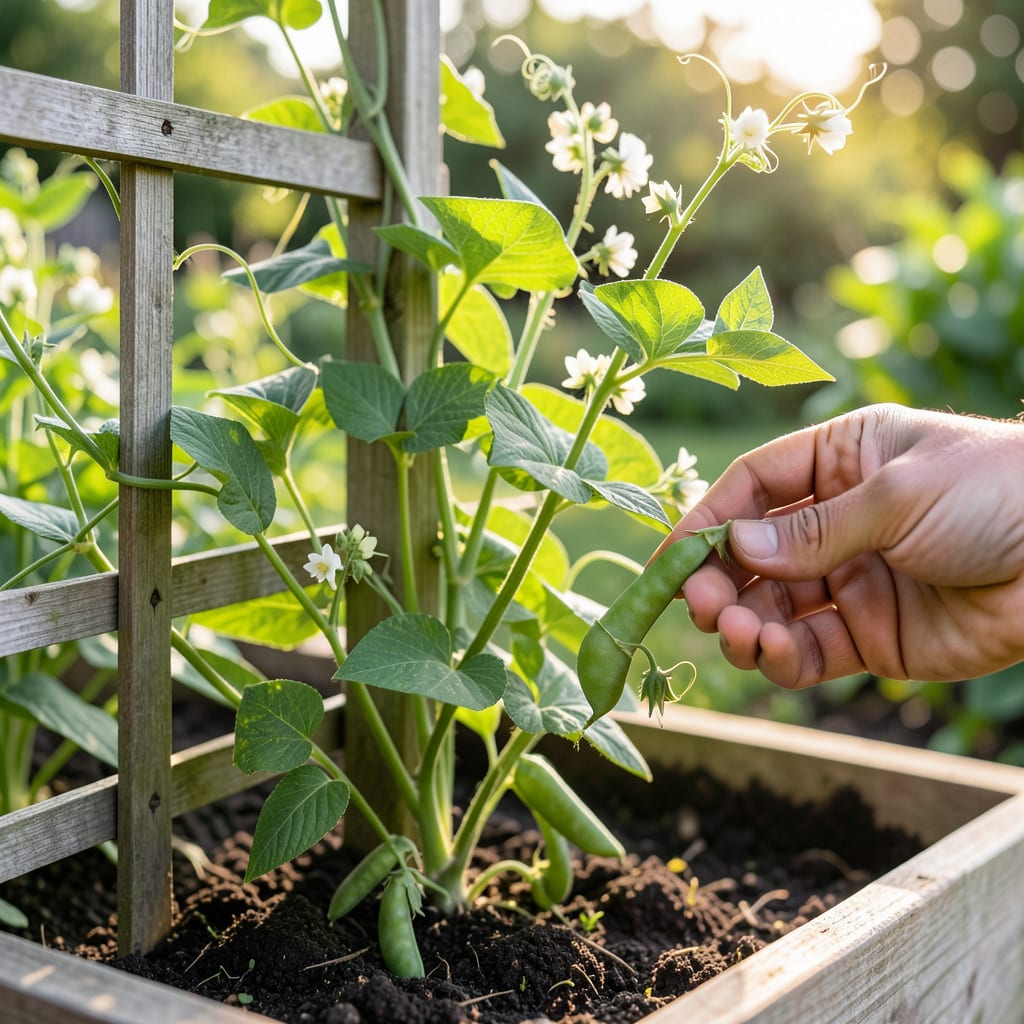
There’s nothing worse than biting into a pea that’s past its prime. With the 🌱 Pea, timing your harvest can make all the difference between a sweet treat and a starchy letdown.
I’ll show you the key signs to watch for so you never miss that perfect picking window. From pod color to texture, these simple cues will have you harvesting like a pro.


I always watch my pea plants closely as they approach maturity. The most obvious sign is when the pods turn bright green and start to swell noticeably. This color change is your first visual cue that harvest time is near.
Another key indicator is the size of the pods. For most varieties, they should be 2-4 inches long when ready. I check daily once they reach about 1.5 inches to catch them at the perfect stage.
| Variety | Key Signs |
|---|---|
| Snap Peas | Pods are plump but peas are small |
| Shelling Peas | Pods are bright green and rounded |
| Snow Peas | Pods are flat with visible peas |
The texture of the pod is another telltale sign. Ready peas will have a smooth, firm pod that feels slightly waxy. If it’s still rough or very soft, it’s not quite time yet.
I also look at the peas inside the pod. When they’re ready, you should see clear bumps where the peas are forming. For shelling peas, the peas should be just touching each other inside.
For snow peas, which we eat pod and all, I harvest when the peas inside are just barely visible as small bumps. The pod should still be flat rather than rounded.
The squeeze test works well too. Gently squeeze a pod – if it feels full and firm, it’s ready. If it gives too much or feels empty, it needs more time.
Remember that peas mature from the bottom up on the vine. So check those lower pods first as they’ll be ready before the ones higher up.
Finally, trust your taste test. If you’re unsure, pick one and try it. A perfectly ripe pea will be sweet and tender with no starchy taste. 🌱
I never rely on looks alone when checking my pea plants. The squeeze test is my go-to method. Gently press a pod between your fingers – it should feel firm and full.
Another reliable check is the bend test. A ripe pod will snap easily when bent, while an unripe one will just bend. This works especially well for snap peas and snow peas.
The taste test is the most foolproof method. Pick one pod and try it – a perfectly ripe pea will be bursting with sweetness and have a tender texture.
For shelling peas, I check the seam of the pod. When it’s ready, the seam will start to whiten slightly and the pod will feel heavy with peas.
I always check the lower pods first since they mature before the upper ones. If the bottom pods are ready, the ones above will follow in 2-3 days.
Remember that morning is best for harvesting. The pods will be crispest and the peas most flavorful after a cool night. 🌱
I’ve learned the hard way that timing is everything with peas. If you wait too long to harvest, the sugars turn to starch and the texture becomes tough and mealy. Those once-sweet pods lose their tender crunch.
The most obvious sign of overripe peas is when the pods start to turn dull green or yellow. The peas inside become large and hard, pressing against the pod walls. At this stage, they’re past their prime for fresh eating.
Peas left too long become starchy and tough. Harvest daily to catch them at their sweetest.
Another issue is reduced yield. When peas mature past their peak, the plant stops producing new pods. I’ve seen my harvest drop by half when I missed the window by just a few days.
If you do end up with overmature peas, don’t despair. They’re still fine for drying or using in cooked dishes. For fresh eating, though, you’ll want to check plants daily once the first pods appear.
To prevent this, I make it a habit to harvest every morning during peak season. Peas mature quickly, and what’s not ready today might be past prime tomorrow. Consistency is key to getting the best flavor from your crop. 🌱
Check that pods feel plump and firm all the way through. They should look bright green and show clear pea bumps inside.
Peas develop from the bottom up on the vine. Lower pods get more sunlight and nutrients first, so they’re ready 2-3 days before upper ones.
Yes, but wait until pods dry to prevent mold. Harvest in the morning after dew evaporates for the best flavor and texture.
Soft pods mean they’re either underripe or overripe. Check the color – if dull, they’re past prime. If pale, give them 1-2 more days.
