
Beautiful Plants For Your Interior
Beautiful Plants For Your Interior
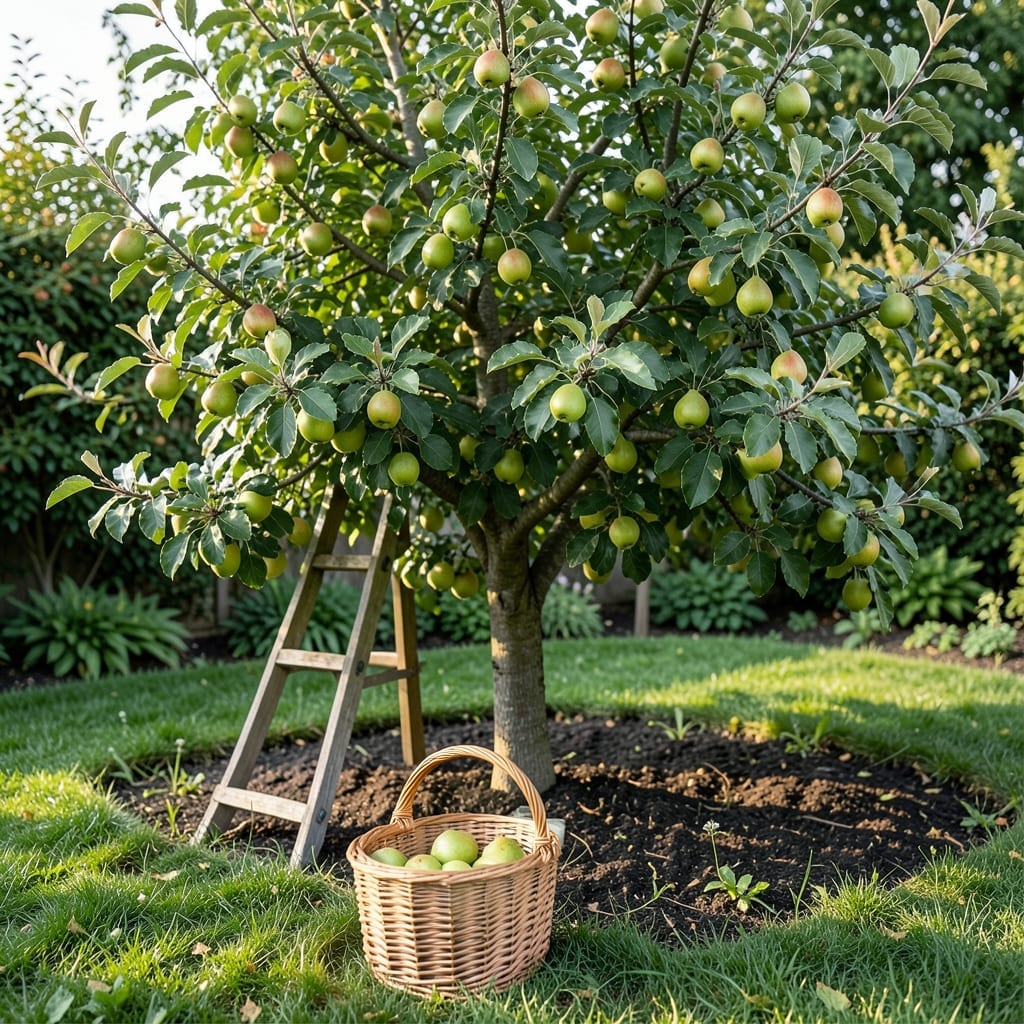
Nothing beats the sweet, juicy crunch of a perfectly ripe 🍐 pear—but knowing exactly when to pick or eat them can be tricky.
Unlike many fruits, pears don’t ripen well on the tree, which means timing and technique are everything. I’ve learned the hard way that waiting for the right moment makes all the difference.
Whether you’re growing your own or selecting from the store, the key is understanding the subtle signs of ripeness. It’s not as complicated as it seems, and I’ll walk you through it.
Discover how to ensure every pear you enjoy is at its peak flavor and texture. Let’s get started.
I love pears because they’re one of the few fruits that don’t ripen on the tree. Instead, they mature off the branch, which means you need to pick them at the right stage. The neck check method is my go-to for testing ripeness without damaging the fruit.
To perform the neck check, I gently press near the stem end of the pear with my thumb. If it gives slightly, like a ripe avocado, it’s ready to eat. This works because the base of the pear softens first as it ripens.
This method works best with Bartlett pears, which change color from green to yellow as they ripen. For Anjou or Bosc pears, the color stays mostly the same, so the neck check is even more critical. I always test a few pears from different parts of the tree to ensure consistency.
If you’re unsure, I recommend picking one pear and testing it daily. Room temperature speeds up ripening, while refrigeration slows it down. Once a pear is ripe, it’ll last in the fridge for 3-5 days, but I prefer eating them fresh off the counter.
Another tip: Smell the stem end. Ripe pears often have a sweet, floral aroma that’s a dead giveaway. If there’s no scent, it’s not ready yet. This works especially well with Comice pears, which are known for their fragrant, buttery flavor.
I’ve found that pears picked too early will never ripen properly, even with the neck check. That’s why timing the harvest is key. For most varieties, this is late summer to early fall, but it varies by climate and pear type.
For Bosc pears, which have a firmer texture, I wait until the neck gives just a little. They’re great for baking or poaching if they’re a bit underripe. Anjou pears, on the other hand, are best eaten fresh when they’re fully soft.
If you’re growing pears in your garden, I suggest keeping a harvest journal. Note when you pick them and how long they take to ripen. This helps fine-tune your timing for next year. Pears are a rewarding crop with a little patience and practice. ☀️
Knowing the ripening timeline for your pear variety is key. Bartlett pears transition from green to yellow and ripen 2-4 days after picking, while Bosc pears may take 5-7 days to soften.
Anjou pears stay green but yield to gentle pressure when ripe. Each variety has unique color changes and harvest windows that signal readiness.
| Variety | Harvest Window | Ripens After Picking |
|---|---|---|
| Bartlett | July-September | 2-4 days |
| Bosc | August-October | 5-7 days |
| Anjou | August-October | 4-6 days |
I always check the stem end for slight softness, especially with Bartlett pears. This neck check works best when combined with color observation for accuracy.
Bosc pears often need more time indoors to reach peak sweetness. Their russeted skin hides color changes, so I rely on gentle pressure near the stem.
For Anjou pears, the lack of color change means I focus on the neck check and aroma. A ripe Anjou will smell sweet at the stem.
Remember, room temperature speeds ripening. I store unripe pears at 70°F and check daily. Once ripe, they’ll last 2-3 days at room temperature.
If I need to slow ripening, I refrigerate them. This extends their freshness for up to 5 days without sacrificing flavor. ✂️