
Beautiful Plants For Your Interior
Beautiful Plants For Your Interior
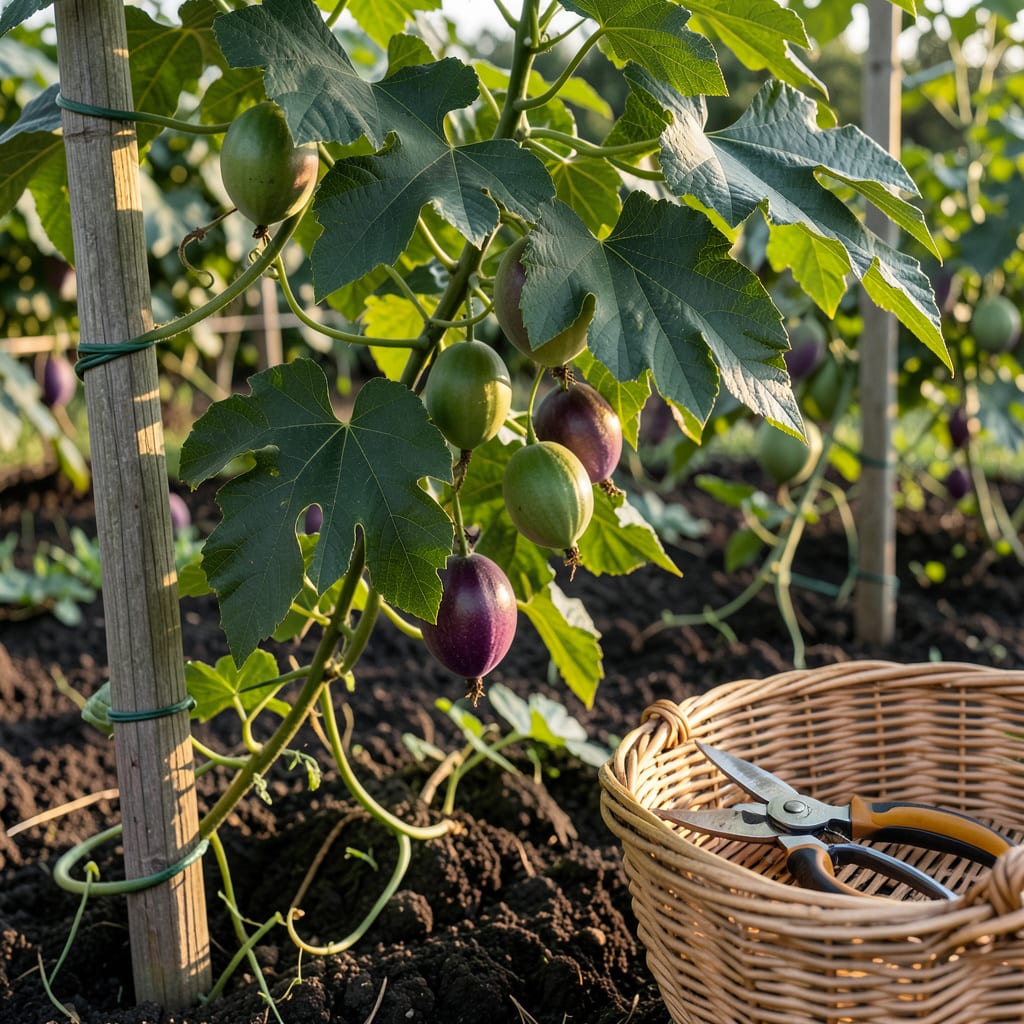
Ever stared at your 🧡 Passionfruit vine, wondering if those colorful orbs are ready for harvest? Timing is everything when it comes to flavor.
I’ll show you the key signs to look for—including that telltale wrinkled skin—that signal your Passionfruit is at its sweetest and ready to pick.


I know how frustrating it can be to stare at your passionfruit vine and wonder if those vibrant orbs are ready. The good news is that passionfruit gives clear signals when it’s at its peak.
One of the most surprising indicators is wrinkled skin. Unlike many fruits, passionfruit often develops slight wrinkles as it ripens, signaling maximum sweetness inside.
| Color Change | Deep purple or golden yellow replaces green |
| Skin Texture | Slightly wrinkled when fully ripe |
| Weight | Feels heavy for its size |
| Attachment | Easily detaches from vine |
| Days After Flowering | 70-90 days for most varieties |
The color transformation is your first major clue. Most passionfruit varieties transition from a bright green to either a rich purple or golden yellow. This change typically starts at the base and works its way up.
Don’t be alarmed by those wrinkles—they’re a good sign! As the fruit ripens, the skin naturally contracts, creating that characteristic puckered appearance. This is nature’s way of telling you the sugars have developed fully.
I always recommend the gentle squeeze test. A ripe passionfruit will have a slight give when pressed, similar to a firm avocado. If it’s rock hard, it needs more time on the vine.
Another reliable method is the fall test. When passionfruit reaches peak ripeness, it often detaches from the vine and falls to the ground. This is especially true for yellow varieties.
Remember that timing varies by variety. Purple passionfruit typically ripens in 70-80 days after flowering, while yellow varieties might take up to 90 days. Always note your flowering dates.
For those growing in cooler climates, be patient. The ripening process may take a bit longer. I’ve found that fruits exposed to more direct sunlight often ripen faster and develop better flavor.
If you’re still unsure, try harvesting one fruit and tasting it. The flavor profile changes dramatically as it ripens, going from tart to sweet. This taste test will help you calibrate your judgment for the rest of the crop.
🌿
I’ve seen many gardeners rush to pick their passionfruit too early, only to be disappointed by the tart flavor. The most common mistake is harvesting based on color alone without checking other ripeness signs.
Another frequent error is waiting too long. While wrinkled skin indicates ripeness, overly shriveled fruit may have passed its prime. Balance is key when judging that perfect harvest window.
Warning: Avoid picking passionfruit when it’s still firm and green. This leads to underripe, sour fruit that won’t sweeten off the vine.
Many gardeners also mishandle the fruit during harvest. I recommend using pruning shears or gently twisting the fruit from the vine rather than pulling, which can damage both the fruit and the plant.
Don’t overlook the fall test for yellow varieties. If you’re growing yellow passionfruit and notice fruits dropping to the ground, they’re likely ready. However, don’t wait for all fruits to fall—some may need a little encouragement.
Timing your harvest with the weather can make a difference too. I’ve found that fruits ripen faster in hot weather, so check your vines more frequently during heatwaves to prevent overripening.
For those with multiple vines, remember that microclimates in your garden can affect ripening times. A vine in full sun may produce ripe fruit a week earlier than one in partial shade.
🌿
Not all passionfruit varieties ripen the same way, which can confuse gardeners. The most common types—purple, yellow, and banana—each have distinct cues for optimal harvest timing.
Understanding these differences helps you avoid picking too early or too late. I’ll break down the key indicators so you can confidently harvest each variety at its peak.
| Variety | Ripening Signs |
|---|---|
| Purple | Deep purple skin, slight wrinkles, 70-80 days after flowering |
| Yellow | Golden yellow skin, heavy feel, often falls to ground when ripe |
| Banana | Longer shape, yellow skin, slightly soft when pressed |
The purple passionfruit is the most common and typically turns a deep, rich purple when ripe. It also develops wrinkles more prominently than other types, making it easier to spot.
Yellow passionfruit often surprises gardeners by falling to the ground when fully ripe. This variety is heavier and may not show as many wrinkles, so the fall test is especially useful.
The banana passionfruit is less common but has a unique elongated shape. It ripens to a bright yellow and feels slightly soft to the touch. I’ve found it’s best harvested just before it detaches naturally.
🌿
Wrinkles indicate the fruit has reached peak sugar content. As it ripens, the skin contracts while the pulp inside expands, creating that characteristic puckered look. This is nature’s way of signaling maximum sweetness.
Most varieties take 70-90 days from flower to harvest. Purple types usually ripen in 70-80 days, while yellow varieties may need the full 90 days. Always track your flowering dates for accuracy.
No, passionfruit must ripen on the vine. Picked green, it will stay tart. For faster results, ensure your vine gets 6+ hours of direct sunlight daily and maintain consistent watering.
Fruit dropping before ripening often means overwatering or pest damage. Check your vine for aphids or root rot, and adjust care accordingly. Healthy vines hold fruit until it’s ready.
