
Beautiful Plants For Your Interior
Beautiful Plants For Your Interior
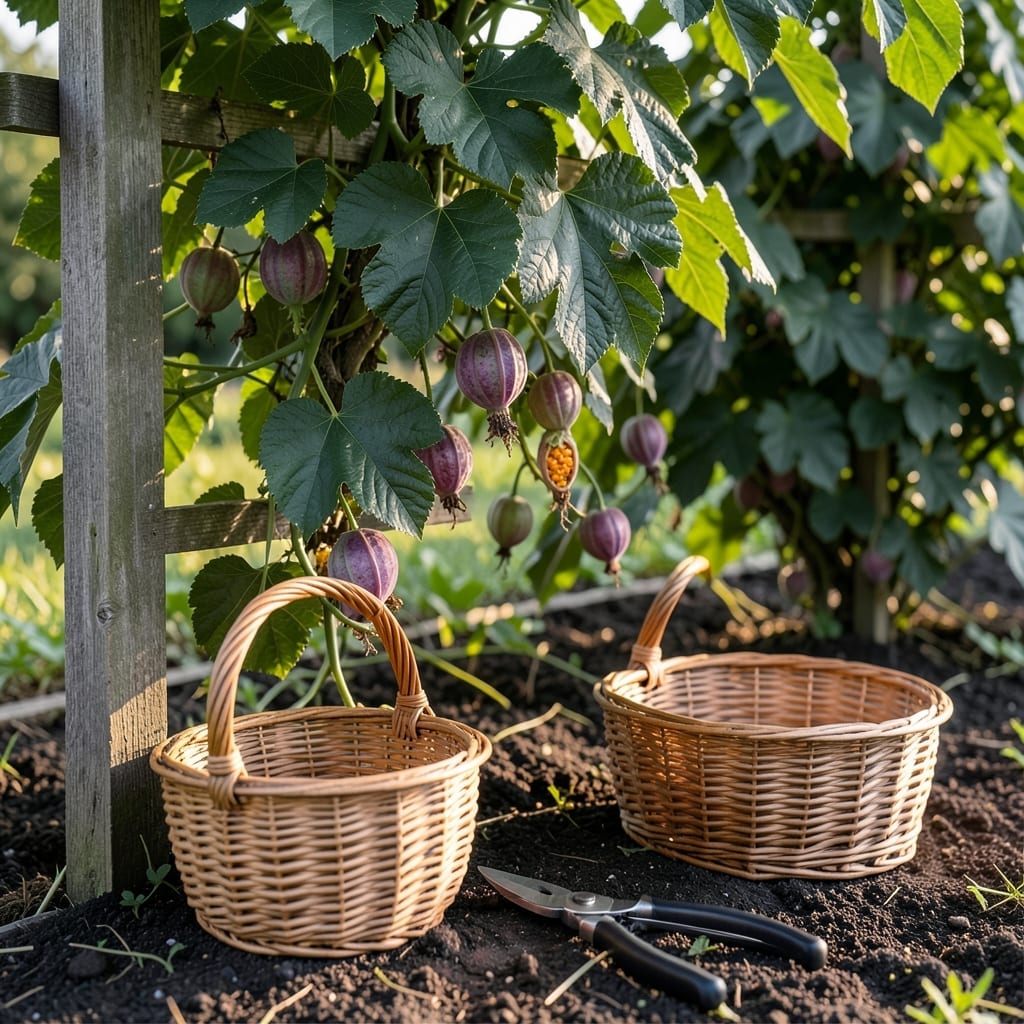
Knowing exactly when Passion Fruit 🧡 is ripe to eat can be tricky, but a few telltale signs make it easy.
I’ve seen many gardeners struggle with picking at the right time, only to end up with tart or underripe fruit. The good news? You don’t need to guess.
By learning to spot wrinkled skin and a heavy feel, you’ll always harvest at peak flavor. It’s simpler than you think.
Let me walk you through the most reliable indicators so you can enjoy the sweetest, juiciest Passion Fruit every time.


Identifying ripe passion fruit starts with the skin color. A shift from green to purple or golden yellow signals maturity. However, color alone isn’t enough to confirm ripeness. I always check multiple signs before picking.
The most reliable indicator is wrinkled skin. As the fruit ripens, the outer shell begins to pucker, which concentrates the sweet flavor inside. This wrinkling happens naturally as the fruit dries slightly on the vine.
| Ripeness Sign | What to Look For |
| Color Change | Deep purple or golden yellow |
| Skin Texture | Slightly wrinkled or dimpled |
| Weight | Feels heavy for its size |
| Stem Condition | Dries and shrinks at the base |
| Sound | Hollow thud when tapped |
Another key sign is the fruit’s weight. A ripe passion fruit feels heavy in your hand, indicating juicy pulp inside. Compare it to other fruits on the vine—ripe ones will feel noticeably denser.
The stem’s appearance also offers clues. When the stem near the fruit dries and shrinks, it often means the fruit is ready. This happens as the fruit detaches naturally from the vine’s nutrients.
For an extra check, gently tap the fruit. A ripe passion fruit produces a hollow sound, while unripe ones sound solid. This method works well for fruits still on the vine or freshly harvested.
If you’re unsure, let the fruit ripen off the vine. Passion fruit continues to ripen at room temperature. Place it in a paper bag with a banana to speed up the process, as bananas release ethylene gas.
Avoid picking fruit that’s still smooth and hard. These are underripe and will lack the rich, sweet-tart flavor passion fruit is known for. Patience ensures the best taste from your garden.
In my experience, the combination of color, wrinkles, and weight is foolproof. Even if one sign is subtle, the others usually confirm ripeness. Trust your senses—they’re your best tools in the garden.
Finally, remember that varietal differences exist. Some passion fruit varieties, like Purple Granadilla, ripen to a deep purple, while others, like Yellow Maracujá, turn golden. Always research your specific variety.
With these tips, you’ll never wonder when passion fruit is ripe to eat again. Happy harvesting! 🌿
Many gardeners assume color alone means a passion fruit is ready, but that’s a common pitfall. A deep purple or yellow hue is a start, but the skin texture and weight are better indicators of true ripeness.
Another mistake is ignoring the stem condition. If it’s still green and firm, the fruit likely needs more time. I’ve learned to check for a dry, brown stem as a sign it’s ready to harvest.☀️
⚠️ Avoid These Ripeness Traps
Don’t harvest too early—smooth skin means it’s not ready. Also, a light feel often signals underdeveloped pulp inside.
Some gardeners also overlook the fall test. Ripe passion fruits often drop from the vine naturally. If they’re still clinging tightly, they may need a few more days to reach peak ripeness.
Testing ripeness at home can be simple. Gently press the fruit—if it gives slightly, it’s likely ready. I also recommend shaking it to hear the seeds rattling inside, a sign of full maturity.🌿
For those growing passion fruit in cooler climates, remember that temperature affects ripening. Fruits may take longer to mature in cooler conditions, so patience is key.
Finally, avoid storing unripe fruits in the fridge. Instead, keep them at room temperature to allow natural ripening. Once ripe, they can be refrigerated for up to a week to preserve freshness.🌱