
Beautiful Plants For Your Interior
Beautiful Plants For Your Interior
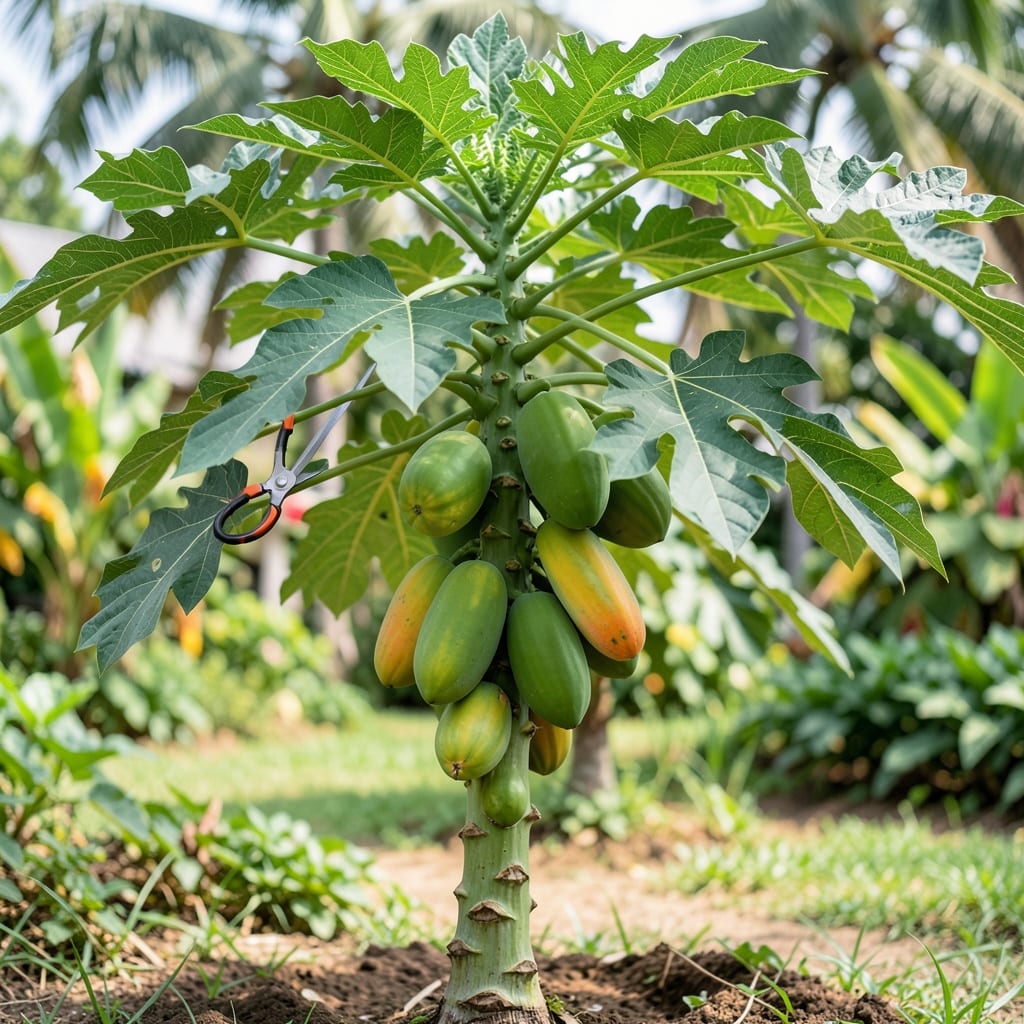
Timing is everything when it comes to picking perfect 🍈 Papayas. A single day can mean the difference between a hard, flavorless fruit and a sweet, juicy delight.
I’ll show you the easiest ways to spot ripeness, from color changes to texture tests. Let’s make sure you never pick too early or too late again.


I’ve learned that color change is the first clue your papaya is nearing harvest. Watch for the skin to shift from deep green to a yellow-orange hue, starting at the blossom end.
This transformation signals the fruit is maturing inside. But don’t rely on color alone—texture matters just as much for perfect timing.
| Sign | Description |
|---|---|
| Color Shift | Green to yellow-orange at base |
| Texture Test | Slight give when gently pressed |
| Aroma Check | Sweet smell near stem end |
| Skin Feel | Smooth with less firmness |
The stem end often ripens first, so I always check there. A sweet aroma at this spot is a sure sign your papaya is ready to come off the tree.
If the fruit still feels rock hard, it’s not ready. But if there’s a soft yield when you press gently with your palm, that’s your green light.
I’ve found that morning harvests work best. The fruit is firmer after cooler night temperatures, which helps prevent bruising during picking.
Remember, papayas continue to ripen after picking. If you’re unsure, harvest when it’s just starting to soften and let it ripen indoors.
For best flavor, I wait until the skin is about 80% yellow. This ensures the flesh inside is sweet and fully developed.
If you see black spots or excessive softness, you’ve waited too long. The fruit may be overripe and prone to spoiling quickly.
Always use clean pruners or a sharp knife to avoid damaging the fruit or tree. A smooth cut helps the plant heal faster and reduces disease risk.
With these signs in mind, you’ll never wonder when to pick your papayas again. Happy harvesting! 🌿
Understanding the ripening stages of papayas helps me decide the perfect picking time. The fruit goes through distinct phases, each with unique characteristics.
I monitor these changes closely to ensure I harvest at the optimal moment for flavor and texture. Here’s how to identify each stage:
In the unripe stage, the fruit is not ready for picking. The skin remains completely green, and the flesh inside is firm and tasteless.
When the semi-ripe stage begins, I notice the skin turning yellow at the base. This is when I consider harvesting if I want to ripen indoors.
For immediate eating, I wait until the fully ripe stage. The skin is mostly yellow-orange, and there’s a noticeable sweetness at the stem end.
If I pick too early, the fruit may never develop its full sweetness. Picking too late risks overripening and spoilage on the tree.
With practice, recognizing these stages becomes second nature. Happy gardening! 🌱
I’ve seen many gardeners struggle with harvest timing for papayas. The biggest mistake is picking when the fruit is still completely green and rock hard.
Another common error is waiting until the papaya is overripe on the tree. This leads to mushy fruit that may fall and spoil quickly.
⚠️ Avoid These Harvesting Pitfalls
Picking too early results in tasteless fruit that won’t ripen properly. Waiting too long risks splitting or rot on the tree.
Ignoring weather conditions is another misstep. I always avoid harvesting during rainy periods as wet fruit can develop fungal issues.
Mishandling during picking can cause bruising. I use sharp pruners and support the fruit with my other hand to prevent damage.
Finally, don’t harvest all fruit at once. Stagger your picking to enjoy fresh papayas over several weeks. This approach gives you a steady supply of perfectly ripe fruit. 🌿
Gently press the fruit near the stem end. A ripe papaya will yield slightly, like a ripe avocado. If it feels rock hard, it needs more time.
Yes, but the flavor won’t be as sweet. For best results, pick when it’s starting to turn yellow and let it ripen indoors at room temperature.
Overripe papayas become mushy and may split open or rot on the tree. They also attract pests and spoil quickly after picking.
Place the fruit in a paper bag with a banana or apple. The ethylene gas they release will help it ripen faster, usually within 1-2 days.
