
Beautiful Plants For Your Interior
Beautiful Plants For Your Interior
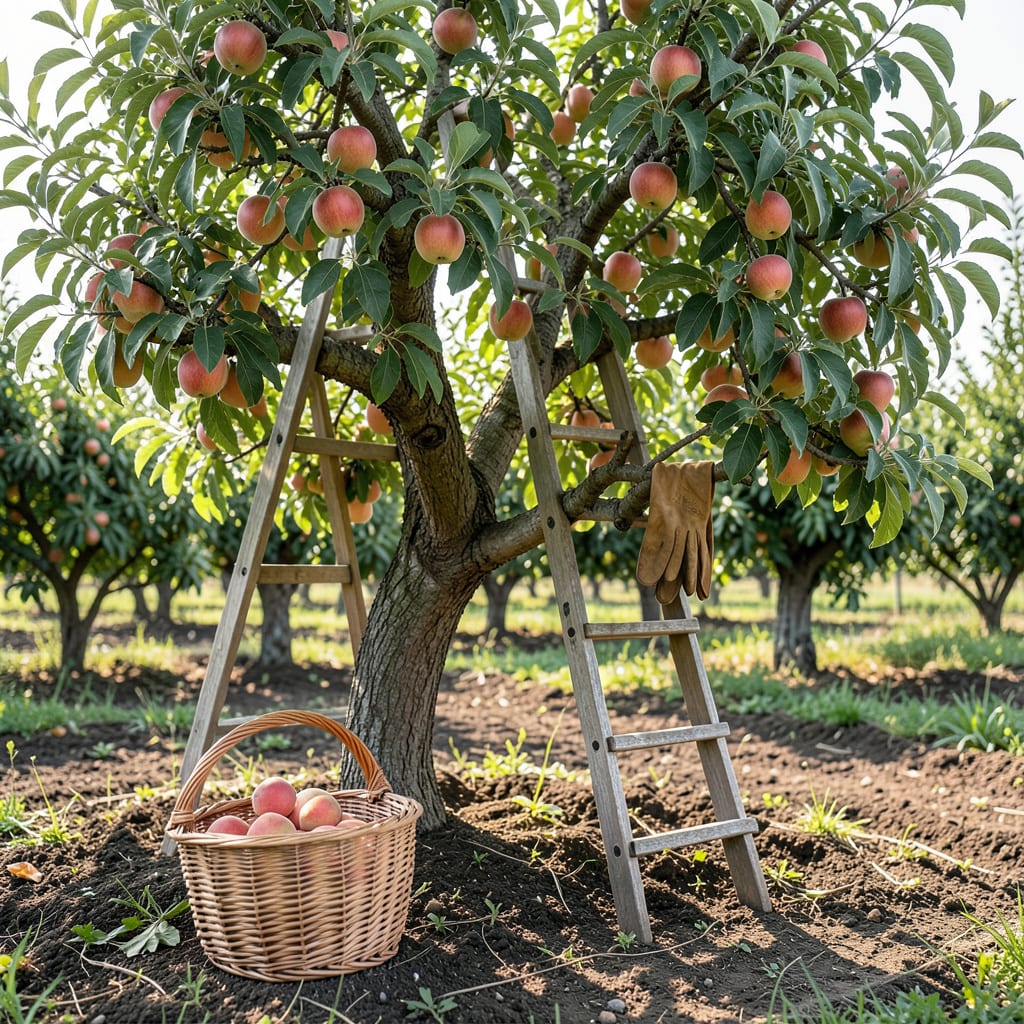
Picking nectarines at the perfect moment ensures the juiciest, sweetest flavor. The 🍑 Nectarine tree rewards patience, and timing your harvest right makes all the difference.
I’ll share the 3 key signs to watch for, so you can confidently gather your fruit at its peak. No more guessing—just perfectly ripe nectarines every time.


Timing your nectarine harvest perfectly ensures the best flavor and texture. Unlike some fruits, nectarines don’t ripen well after picking, so getting it right on the tree is crucial.
I’ve found that watching for visual cues is the most reliable way to know they’re ready. Here’s what to look for before you start picking.
| Ripeness Sign | What to Look For |
|---|---|
| Color Change | Deep orange/red replaces green near stem |
| Softness | Slight give when gently pressed near stem |
| Aroma | Sweet smell at stem end intensifies |
The first sign I check is the color transformation. Nectarines shift from green to vibrant orange, red, or yellow hues, depending on the variety. This change starts at the stem and spreads outward.
Next, I gently squeeze the fruit near the stem. A ripe nectarine will have a slight softness, similar to a ripe peach. If it’s still hard, it needs more time on the tree.
The third clue is the aroma. As nectarines ripen, they emit a sweet, fruity scent near the stem. If there’s no smell or it smells green, the fruit isn’t ready yet.
I avoid relying on size alone, as nectarines can reach full size before they’re ripe. The combination of color, softness, and aroma gives the clearest indication of readiness.
Another tip I’ve learned is to check fruits at different spots on the tree. Sun-exposed nectarines often ripen faster than those in the shade, so a full tree inspection is key.
If you’re unsure, try the twist test. A ripe nectarine will separate from the tree with a gentle twist and slight upward lift. If it resists, leave it for another day or two.
Remember that environmental factors like temperature and sunlight can affect ripening time. Warmer weather speeds up the process, while cooler days may delay it.
By paying attention to these visual and sensory cues, you’ll consistently pick nectarines at their peak of perfection every season.
Confirming your nectarines are ready requires more than just looking. I use a few hands-on tests to be absolutely sure before harvesting my crop each season.
These practical methods help avoid picking too early or too late. Here’s how I verify ripeness with simple, reliable techniques that any gardener can use.
The twist-and-lift test is my go-to method. I cup the nectarine in my hand and give it a gentle twist while lifting upward. A ripe fruit will detach easily from the tree.
For the stem check, I examine where the fruit meets the branch. When ready, the stem will have a slight gap and separate cleanly. If it’s still firmly attached, the nectarine needs more time.
I always do a sample taste test before harvesting the entire tree. Picking and trying one or two fruits ensures the rest are at peak sweetness. This prevents harvesting a whole crop that isn’t quite ready.
Avoid common mistakes like pulling too hard, which can damage the fruit or tree. Also, don’t wait for nectarines to ripen indoors—they won’t improve after picking like some other fruits.☀️
Unlike some fruits that continue ripening after picking, nectarines are tree-ripened and won’t improve once removed. This means timing your harvest is absolutely critical for the best flavor and texture.
I’ve learned that environmental factors like sunlight and temperature play a huge role in ripening. Warmer days speed up the process, while cooler weather can delay it by several days.
Monitor your nectarines daily as they near ripeness. The final stages happen quickly, often within 2-3 days.
I start checking my nectarines about 2 weeks before the expected harvest time. This gives me a baseline to track their progress as they transition from green to their mature color.
The ripening window for nectarines is typically 120-150 days after bloom, but this varies by variety. Early varieties may be ready in July, while late types often ripen in September.
I’ve found that fruits on the sunny side of the tree often ripen first. This uneven ripening means I need to harvest in stages, picking the ready nectarines and leaving others for another day or two.
By keeping a close eye on these factors, I ensure I never miss that perfect harvest window for my nectarines.🌳
Look for a deep orange, red, or yellow hue replacing the green near the stem. The color change starts at the stem and spreads outward as the fruit matures.
Gently squeeze near the stem—it should have a slight give. Also, ripe nectarines emit a sweet aroma at the stem end. Avoid relying on size alone.
No, nectarines do not ripen well after picking. Unlike some fruits, they must ripen on the tree for the best flavor and texture.
Fruits on the sunny side of the tree often ripen first due to more exposure. Environmental factors like temperature and sunlight also affect ripening speed.
