
Beautiful Plants For Your Interior
Beautiful Plants For Your Interior
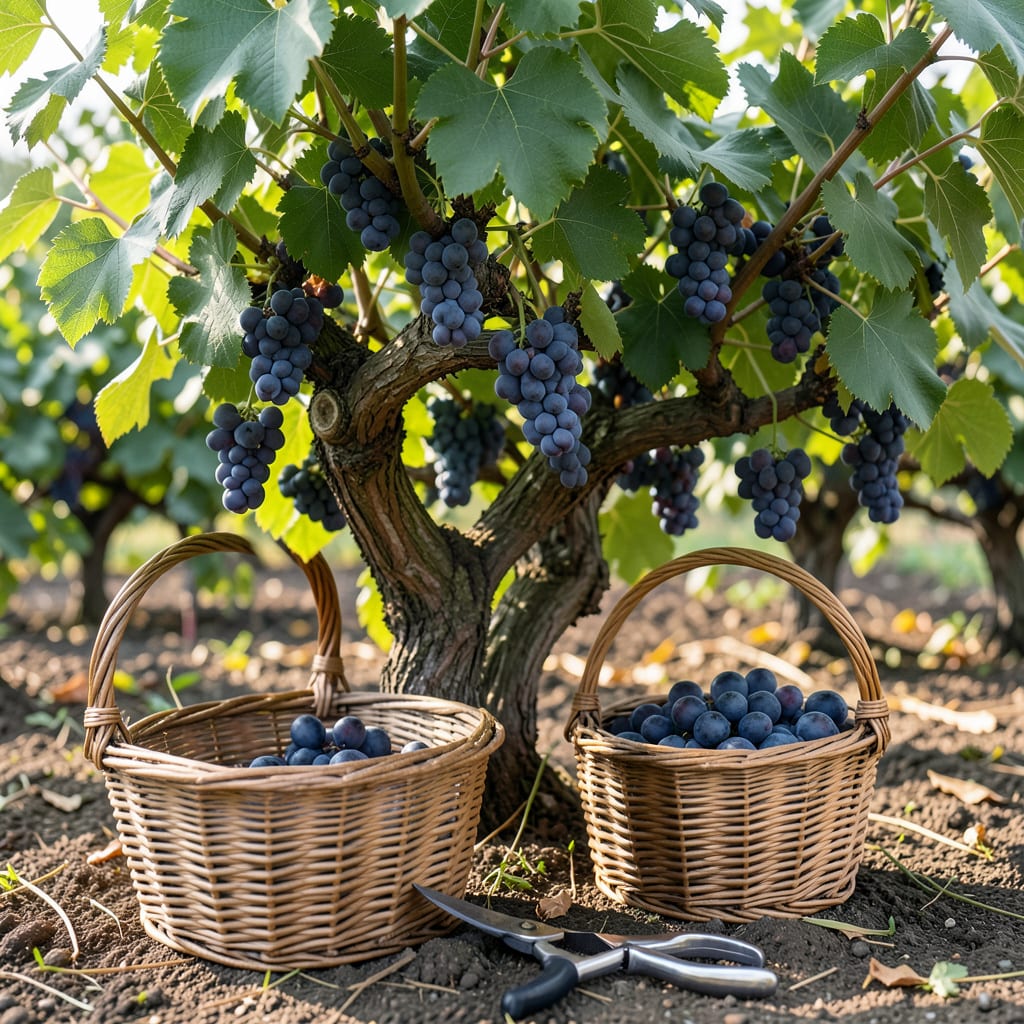
That perfect moment when Muscadine 🍇 grapes shift from tart to sweet is what every grower waits for. Missing the window can leave you with underripe fruit or overripe disappointment.
I’ll show you the key signs to watch for in August through October, so you can pick at peak flavor every time. Timing is everything with these Southern favorites.


I always watch for the first color change in my Muscadine grapes. When they shift from green to deep purple or bronze, that’s your first clue they’re nearing ripeness. The transformation is dramatic and unmistakable.
The skin texture also tells a story. A ready Muscadine will look smooth and glossy, not dull or wrinkled. This visual cue often appears just before the berries reach their sweetest point.
| Ripeness Sign | What to Look For |
|---|---|
| Color Change | Deep purple or bronze hue |
| Berry Texture | Plump with smooth, glossy skin |
| Stem Attachment | Easily detaches with gentle tug |
| Size | Full and rounded appearance |
Another key indicator is how the berries separate from the vine. Ripe Muscadines will detach with just a gentle pull, while unripe ones cling stubbornly. I test this by lightly tugging a few berries each day.
The aroma is often overlooked but vital. A ready Muscadine emits a sweet, fruity scent that you can detect when standing near the vine. If you don’t smell anything, they’re likely not ready yet.
I also pay attention to the berry size. At peak ripeness, Muscadines reach their maximum diameter, typically about 1-1.5 inches. Smaller berries usually need more time on the vine.
The cluster appearance changes too. As they ripen, the berries in a cluster won’t all change color at once. I look for when about 70-80% of the cluster shows ripe characteristics.
I’ve found that morning harvesting works best. The berries are firmer after the cool night, making them easier to pick without damage. Plus, the flavor seems more concentrated in the morning.
Finally, watch for wildlife activity. When birds and deer start showing interest in your vines, it’s a good sign your Muscadines are nearing their peak. Just be sure to harvest before they do! ☀️
In my experience, Muscadines typically ripen from late August to early October. This window shifts slightly based on your USDA zone and local weather patterns. The Southeast sees the earliest harvests.
Warmer climates in zones 7-9 often produce ripe Muscadines by mid-August, while cooler zone 6 areas may need to wait until September. I always track my local last frost date as a guide.
A hot, dry summer speeds up ripening, while cool, wet weather can delay it by weeks. I’ve noticed my vines in full sun consistently ripen 7-10 days earlier than those in partial shade.
The vine’s age matters too. My 3-year-old vines produced their first harvestable Muscadines in early September, while mature vines often start in late August. Patience pays off with these grapes.
I recommend checking weather forecasts as harvest nears. A cold snap can accelerate ripening, while prolonged rain might cause splitting. Adapt your timing accordingly for the best results.
For the most accurate timing, I combine visual cues with seasonal patterns. When most berries show deep color and the calendar says late summer, it’s go time for picking. 🌿
I never rely on looks alone when checking my Muscadines. The most foolproof method is the taste test—sample a few berries from different clusters to confirm sweetness and full flavor development.
Another reliable technique is the gentle squeeze test. A ripe Muscadine will have a slight give when pressed, while unripe ones remain hard. Be careful not to crush the berries during this check.
I also watch for wildlife activity as a natural indicator. When squirrels, birds, or deer start lingering around my vines, I know it’s time to harvest. They have a keen sense for peak ripeness.
The aroma test works well too. Ripe Muscadines emit a sweet, grape-like fragrance that’s noticeable when you’re near the vine. If you can smell it from a few feet away, they’re likely ready.
For the most accurate results, I combine several methods. I’ll taste a berry, check its give, and observe the vine’s overall condition. When all signs point to ripeness, I start my harvest immediately.
Remember that Muscadines don’t all ripen at once. I make multiple passes through my vineyard, picking only the ready berries each time. This ensures I get every grape at its peak flavor. ✂️
Sample a few berries from different clusters. Ripe ones will be deep purple or bronze with a sweet aroma and slight give when pressed. If they taste tart, wait a few days and test again.
No, they ripen in stages. Check clusters daily and harvest only the ready ones. It’s normal to make 2-3 passes through the vine during harvest season for peak flavor.
A light cold snap can actually speed up ripening. But if a hard frost is forecast, harvest all mature berries immediately, even if not fully ripe—they’ll continue to sweeten indoors.
Morning is best. Berries are firmer after cool nights, making them easier to handle without damage. The flavor is more concentrated too. Avoid picking when vines are wet.
