
Beautiful Plants For Your Interior
Beautiful Plants For Your Interior
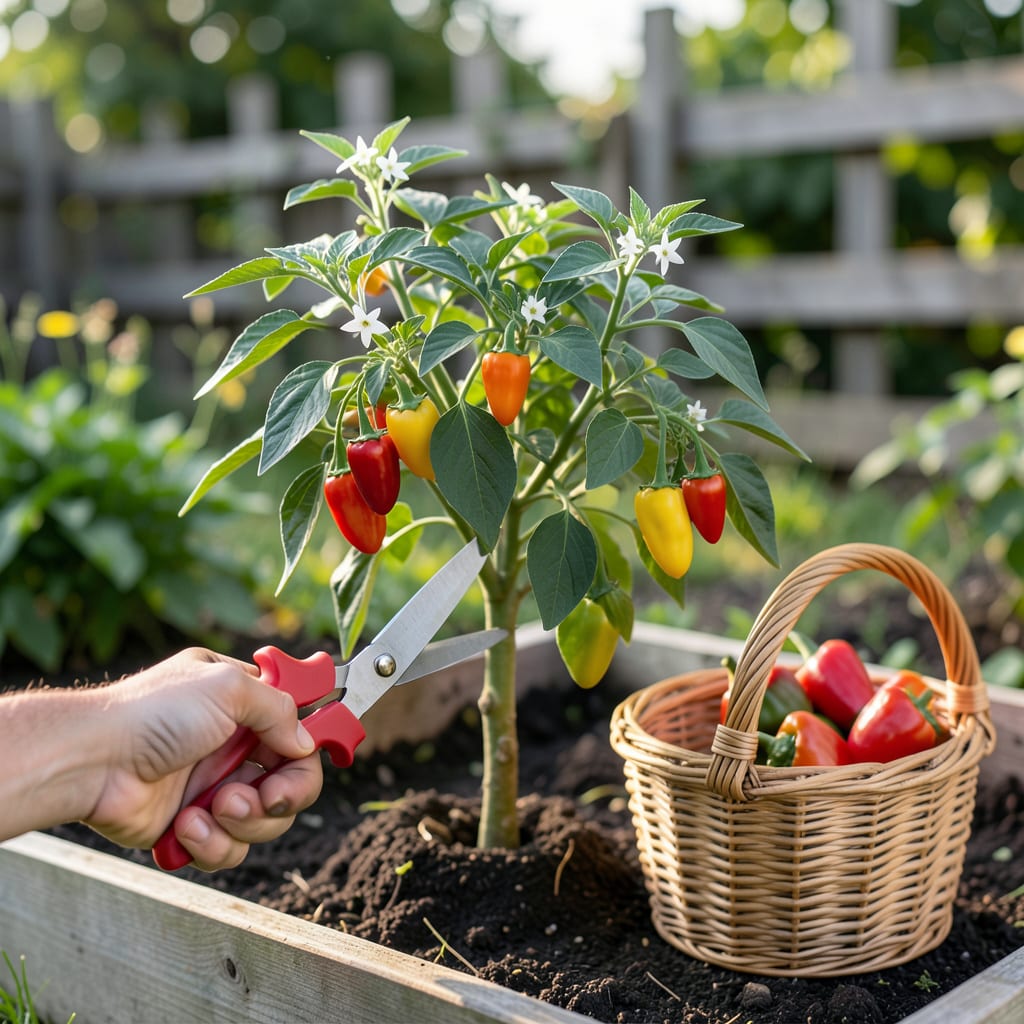
There’s nothing quite like the satisfaction of plucking a perfectly ripe mini sweet pepper from your garden—crisp, vibrant, and bursting with flavor. But timing is everything: pick too soon, and you’ll miss that signature sweetness; wait too long, and the plant’s productivity suffers.
I’ve learned the hard way that color and size aren’t the only clues. Whether you’re growing ‘Lunchbox’ or ‘Snackabelle’ varieties, I’ll show you the foolproof signs to harvest at peak ripeness—plus the common mistakes that even experienced gardeners make. Let’s get it right this season.


Timing your harvest is everything with mini sweet peppers. Unlike their larger cousins, these bite-sized gems often change color subtly, making it tricky to judge ripeness. I’ve found that color intensity and firmness are the two biggest clues—but there’s more to it than meets the eye.
Most varieties take 60–90 days from transplanting to harvest, but don’t rely on the calendar alone. Size matters too: peppers should reach 2–3 inches long and feel heavy for their size. If they’re still lightweight or the skin looks dull, they need more time on the vine.
| Ripeness Sign | What to Look For | Example |
|---|---|---|
| Color | Bright, uniform hue (red, orange, or yellow) | ‘Lunchbox’ turns deep red; ‘Snackabelle’ bright orange |
| Size | 2–3 inches long, plump shape | About the length of a golf tee |
| Firmness | Glossy skin, resists gentle squeeze | Feels like a firm grape tomato |
| Stem | Easily snaps when bent | Clean break with slight resistance |
| Days to Maturity | Check seed packet (usually 60–90 days) | ‘Sweet Bite’ matures in ~70 days |
Here’s a trick I swear by: Gently twist the pepper. If it resists, it’s not ready. If it pops off with a slight tug, you’re good to go. This method works better than color alone, especially for hybrid varieties that might stay greenish even when ripe.
Watch out for overripe signs too—wrinkled skin, soft spots, or a dull appearance mean you’ve waited too long. These peppers won’t store well and may attract pests. I once lost half my crop to fruit flies by leaving them on the plant a week too long. Lesson learned!
If your peppers are taking forever to ripen, check their sunlight exposure. Mini sweets need 6–8 hours of direct sun daily. Less than that, and they’ll stay green and stunted. A quick fix? Prune nearby leaves to let more light reach the fruit.
Temperature matters too. When nights dip below 55°F, ripening slows dramatically. If you’re in a cooler climate, consider row covers or move container-grown plants to a sunnier spot. I’ve had success speeding up ripening by placing peppers near a south-facing wall that radiates heat.
Don’t forget to check the seed packet for your variety’s specific traits. Some mini sweets, like ‘Sweet Bite,’ ripen to yellow instead of red. Others, like ‘Pepperoncini Fireworks,’ stay green but develop a glossy sheen when ready. When in doubt, harvest one test pepper and taste it!
Pro tip: Harvest in the morning when peppers are crispest. Use clean pruning shears or your fingers—just avoid tearing the stem, which can invite disease. I like to wear gloves if I’m harvesting a big batch, as the plant’s oils can irritate my skin.
After picking, store peppers in the fridge’s crisper drawer for up to 10 days. For longer storage, blanch and freeze them. But honestly? They’re so sweet and crunchy fresh that mine never last that long. My kids snack on them straight from the garden like candy!
Still unsure? Here’s my golden rule: When in doubt, pick it. Mini sweet peppers continue to ripen slightly off the vine, and harvesting encourages the plant to produce more. Just avoid yanking—always use a gentle twist-and-pull motion to protect the stem.
Harvesting your mini sweet peppers the right way ensures you’ll get more fruit all season. I’ve seen gardeners accidentally stunt their plants by yanking peppers off—don’t make that mistake! The key is using the right technique and proper tools to keep your plant thriving.
First, always harvest with clean hands or tools. I prefer sharp pruning shears or small scissors, but you can also use your fingers if you’re gentle. The goal is to avoid tearing the stem, which can leave the plant vulnerable to disease. A quick wipe with rubbing alcohol keeps your tools sanitized between plants.
Follow the pepper up to where it connects to the plant. Look for the thick green stem—this is your cutting point.
For hand-picking, grasp the pepper and gently twist until it snaps free. For shears, cut 1/4 inch above the pepper’s base.
Inspect the plant for torn stems or leaves. If you see damage, trim the area cleanly to prevent disease from setting in.
Peppers are crispest and juiciest in early morning. Avoid harvesting during peak heat (10 AM–4 PM), when plants are stressed.
After picking, give your plant a balanced fertilizer (like 5-10-10) to boost new growth. Remove any yellowing leaves to redirect energy to fruit.
One trick I use is to harvest every 2–3 days during peak season. Mini sweet peppers ripen quickly, and regular picking signals the plant to produce more. I’ve had plants double their yield just by staying on top of harvesting!
If you’re growing peppers in containers, be extra gentle. The roots are more confined, so rough handling can stress the plant. I like to support the main stem with one hand while harvesting with the other—this prevents accidental snapping.
Avoid pulling peppers straight off the plant. This can damage the branches and reduce future yields. Instead, use a rocking motion if you’re hand-picking: grasp the pepper, apply slight upward pressure, and wiggle until it releases cleanly.
After harvesting, store your peppers in a perforated bag in the fridge’s crisper drawer. They’ll stay fresh for 7–10 days. For longer storage, consider freezing: slice them, spread on a tray to freeze, then transfer to a bag. They’ll keep for 6–8 months this way.
Remember, the more you harvest, the more your plant will produce. I’ve had single ‘Lunchbox’ plants yield over 50 peppers in a season just by picking consistently. Don’t let overripe peppers stay on the plant—they’ll signal it to slow down production.
Not all mini sweet peppers ripen the same way—some turn fiery red, while others stay golden yellow or even purple. I’ve grown half a dozen varieties over the years, and each has its own harvest personality. Knowing these differences saves you from picking too early or waiting too long.
Take ‘Lunchbox’ peppers, for example: they start green and ripen to a vibrant red in about 70 days. But ‘Snackabelle’ stays orange at peak ripeness and matures faster, often in just 60 days. Meanwhile, ‘Sweet Bite’ peppers turn a sunny yellow when ready—easy to miss if you’re expecting red!
| Variety | Ripeness Color | Days to Maturity | Flavor Profile | Best For |
|---|---|---|---|---|
| Lunchbox | Deep red | 65–70 days | Extra sweet, crisp | Snacking, salads |
| Snackabelle | Bright orange | 58–62 days | Tangy-sweet | Stuffing, grilling |
| Sweet Bite | Golden yellow | 60–65 days | Mild, buttery | Kids’ gardens |
| Pepperoncini Fireworks | Green with glossy sheen | 55–60 days | Mild heat, fruity | Pickling, antipasto |
| Mini Bell Blend | Red, orange, yellow mix | 70–75 days | Classic bell flavor | Colorful dishes |
Here’s a pro tip: Hybrid varieties like ‘Snackabelle’ often ripen faster than heirlooms. If you’re in a short-season area, stick with hybrids. I once grew ‘Mini Bell Blend’ in my zone 6a garden—they needed row covers in late summer to reach full color before frost.
For container gardeners, ‘Sweet Bite’ is my top pick. These compact plants thrive in 5-gallon pots and produce heavily. Just ensure your container has drainage holes—soggy roots delay ripening. I use a mix of potting soil and compost for best results.
If you’re growing ‘Pepperoncini Fireworks,’ don’t wait for color changes—they’re ready when the skin turns glossy green and the pepper feels firm. These are perfect for pickling, but harvest them young (about 2 inches long) for the best texture.
Remember, cool nights (below 55°F) slow ripening. In my garden, I extend the season by 2–3 weeks using black plastic mulch to warm the soil. For container plants, move them to a sunny patio or against a south-facing wall to speed things up.
Some varieties like ‘Pepperoncini Fireworks’ stay green when ripe. Check for a glossy sheen and firm texture. If the pepper feels heavy for its size and snaps easily from the stem, it’s ready—even if green.
Mini sweet peppers ripen slightly off the vine, but they won’t develop full sweetness. For best flavor, let them ripen fully on the plant. If frost threatens, harvest green peppers and ripen indoors in a paper bag at room temperature.
Slow ripening usually means not enough sun (they need 6–8 hours daily) or cool nights (below 55°F). Try pruning nearby leaves for better light exposure or use row covers to trap heat.
Avoid harvesting when plants are wet. Excess moisture spreads disease and makes peppers prone to rot in storage. Wait until foliage dries—ideally harvest in the morning after dew evaporates but before temperatures peak.
Harvest every 2–3 days during peak season. Regular picking signals the plant to produce more. Leave overripe peppers on the plant, and production will slow. Use clean pruners or twist gently to avoid damaging stems.
