
Beautiful Plants For Your Interior
Beautiful Plants For Your Interior
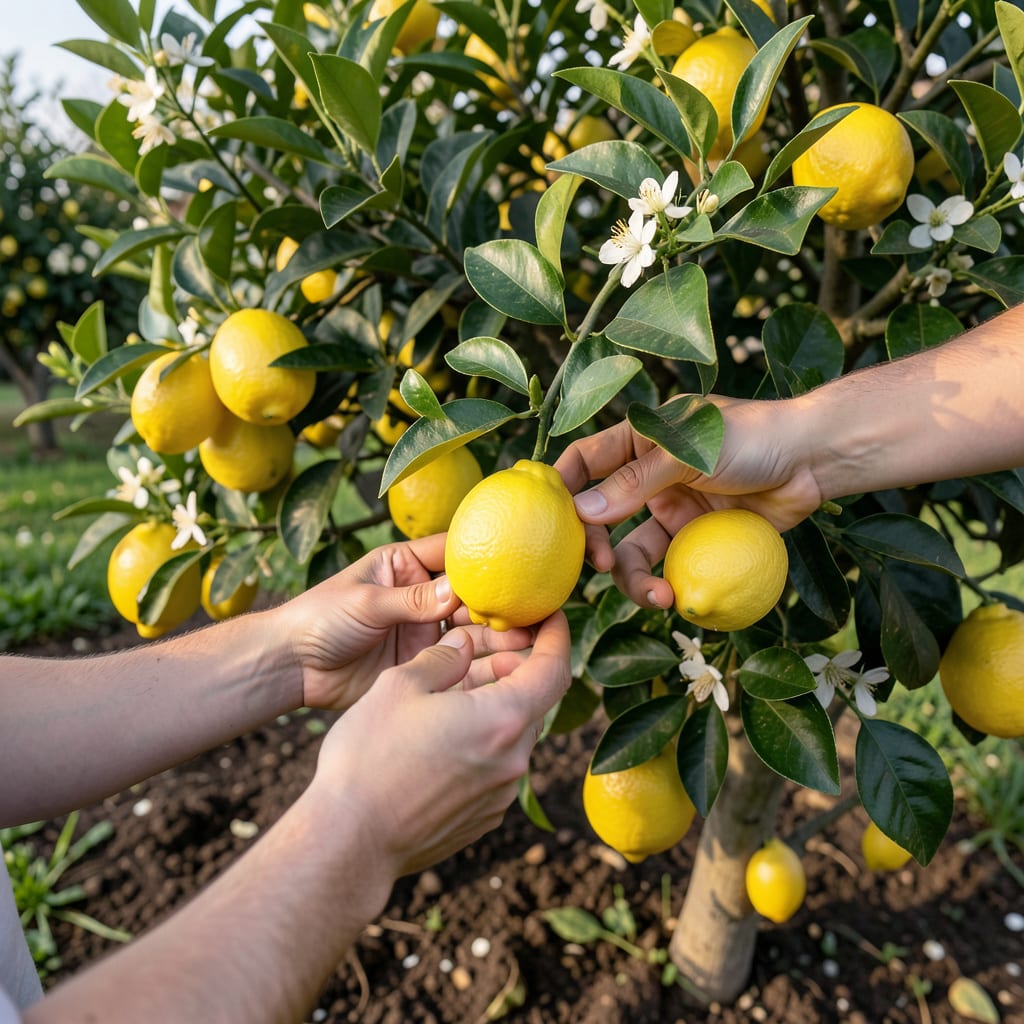
Picking Meyer lemons 🍋 too soon means missing out on that signature sweet-tart flavor we all love. Timing is everything when it comes to these citrus gems.
I’ll show you the easiest visual and tactile cues to confirm ripeness, plus seasonal timing that varies by region. Never guess about harvest time again.


Timing your Meyer lemon harvest perfectly ensures the best flavor and juice content. Unlike regular lemons, Meyers develop a sweeter profile when fully ripe, making the right moment critical.
I look for a deep yellow-orange hue as the first sign, but there are other reliable indicators to confirm they’re ready to come off the tree.
| Ripeness Sign | What to Look For |
|---|---|
| Color | Fully yellow-orange with no green |
| Texture | Slightly soft when gently squeezed |
| Weight | Feels heavy for size |
| Aroma | Strong citrus fragrance |
| Season | Typically late fall to early spring |
The color transformation is the most obvious sign—Meyer lemons transition from green to a rich yellow-orange as they ripen. This change happens gradually, so I check the fruit regularly as the season progresses.
A ripe Meyer lemon should have a slight give when pressed gently, much like a ripe avocado. If it feels rock-hard, it’s not ready. The skin should also appear glossy and smooth.
Another trick I use is the weight test. A ripe lemon will feel surprisingly heavy for its size, indicating high juice content. Compare it to an unripe one—you’ll notice the difference immediately.
The aroma is a dead giveaway. Ripe Meyer lemons emit a strong citrus scent even before you pick them. If there’s little to no fragrance, they likely need more time on the tree.
Seasonally, Meyer lemons typically ripen from late fall to early spring, but this can vary. In warmer climates like California, they may ripen earlier, while cooler regions might see a later harvest window.
If you’re unsure, pick one test lemon and taste it. If it’s sweet with just a hint of tartness, the rest are probably ready. If it’s still sour, wait a week and test another.
Remember, Meyer lemons won’t ripen further once picked, so it’s crucial to wait until they’re fully ready on the tree. Patience here pays off with the best flavor.
I also watch for the fruit to separate easily from the stem with a gentle twist. If it resists, it’s not quite there yet.
Even experienced gardeners can misjudge the perfect harvest time for Meyer lemons. The most common error I see is picking too early, when the fruit still has green patches or feels hard as a rock.
Another pitfall is waiting too long. Overripe Meyer lemons become mushy and fermented, losing that balanced sweet-tart flavor we love. Timing is everything with these citrus treasures.
⚠️ Harvest Warning: Never pick Meyer lemons during rainy weather or when the fruit is wet. This can lead to rot and reduced storage life.
I always recommend testing one lemon first before harvesting the entire tree. If it tastes sour and lacks sweetness, the others likely need more time. This simple step saves many gardeners from disappointment.
Ignoring regional climate differences can also lead to mistakes. In cooler zones, Meyer lemons may ripen later, while warmer areas might see earlier harvests. Adjust your timing accordingly.
Don’t rely solely on color change. Some Meyer lemons develop their yellow-orange hue before they’re fully ripe. Always combine visual cues with the squeeze test and aroma check for accuracy.
Finally, avoid rough handling when picking. Meyer lemons have delicate skins that bruise easily. Use clean pruners or twist gently by hand to prevent damage that shortens their freshness. ✂️
Once you’ve picked your Meyer lemons, proper handling ensures they stay fresh and flavorful. I always start by gently cleaning the fruit with a damp cloth to remove any garden debris.
Store them at room temperature if you plan to use them within a week. For longer storage, place them in a sealed container in the refrigerator, where they’ll keep for up to a month.
If you’ve picked some slightly underripe lemons, don’t worry. They can continue to ripen indoors at room temperature, though they won’t sweeten as much as tree-ripened fruit.
For the freshest flavor, use your Meyer lemons within 2-3 weeks of picking. Their high juice content makes them perfect for dressings, drinks, or preserving. ✂️
I also recommend labeling your harvest with the date picked. This helps track freshness and ensures you use the oldest lemons first, minimizing waste.
Look for a deep yellow-orange color with no green patches. Gently squeeze—they should have a slight give like a ripe avocado. A strong citrus aroma is another clear sign.
Color change alone doesn’t guarantee ripeness. Some develop their hue early but need more time to sweeten. Always combine color with the squeeze test and aroma check for accuracy.
They won’t sweeten as much as tree-ripened fruit, but slightly underripe ones can mature indoors at room temperature. Store them in a paper bag with an apple or banana to speed ripening.
Pick in the morning after dew has dried but before the heat of the day. This ensures the fruit is at peak freshness and reduces stress on the tree.
