
Beautiful Plants For Your Interior
Beautiful Plants For Your Interior
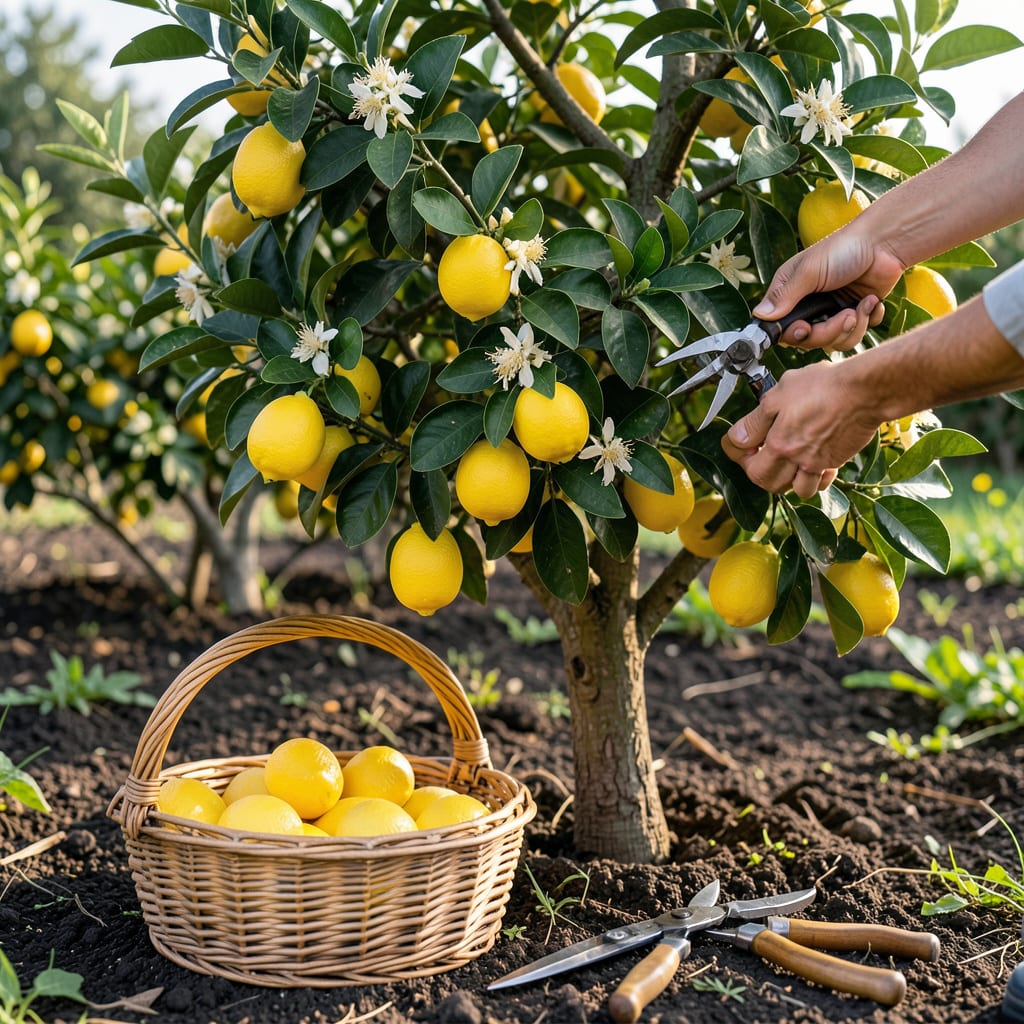
Picking Meyer lemons at the perfect ripeness ensures the sweetest, juiciest flavor, but timing it wrong can leave you with tart, underripe fruit. Unlike store-bought varieties, homegrown 🍋 Meyer lemons give subtle signals when they’re ready to harvest.
I’ll show you how to spot these signs and pick at just the right moment. With these tips, you’ll never wonder again about the ideal time to enjoy your homegrown citrus.


I’ve found that Meyer lemons reveal their ripeness through color transformation first. They transition from deep green to a vibrant yellow-orange hue when ready. This shift is gradual, so I monitor my tree weekly during harvest season.
Another key sign is skin texture. Ripe Meyer lemons develop a slightly glossy appearance and feel slightly soft when gently squeezed. They should yield to pressure but not be mushy.
| Ripeness Sign | Description |
|---|---|
| Color | Deep yellow-orange all over |
| Texture | Slightly soft to touch |
| Aroma | Sweet citrus fragrance |
| Stem | Fruit easily separates |
I always check the aroma too. A ripe Meyer lemon emits a sweet, citrusy scent that’s noticeably stronger than unripe fruit. If it smells fresh and fragrant, it’s likely ready to pick.
Timing matters as well. Meyer lemons typically ripen in winter months, often from October to April. In my experience, they often peak in December through February in warmer zones.
The stem test is another reliable method. When the fruit is ready, it will detach easily from the tree with a gentle twist. If it resists, it needs more time.
I’ve noticed that climate affects ripening. In cooler areas, the process may take longer, while in warm climates, lemons might ripen faster. Container-grown trees can also vary based on their environment.
Don’t rely on color alone. Some lemons may turn yellow but still be tart. I always combine color, texture, and aroma checks for accuracy. This ensures I pick at the perfect moment.
If you’re unsure, pick one and taste it. A ripe Meyer lemon should be sweet with mild acidity. If it’s still tart, wait a few more days and test another.
Finally, remember that Meyer lemons continue to ripen slightly after picking, but they won’t become sweeter. So, it’s best to harvest them when they’re fully ripe on the tree. ☀️
I’ve learned that Meyer lemons don’t ripen on a fixed calendar date. Their timing shifts based on USDA zones and local conditions. In California (Zone 9-10), they often ripen from November to March, peaking in winter.
For the Gulf Coast (Zone 8-9), expect a slightly earlier window, typically October to February. Container-grown trees may ripen faster due to controlled environments, often aligning with indoor heating schedules.
I track my tree’s progress from bloom to harvest. Meyer lemons typically take 7 to 12 months to ripen after flowering. In my garden, I note the bloom date and count forward to estimate harvest time.
Microclimates matter too. A south-facing wall or urban heat island can speed ripening by 2-4 weeks. Conversely, shaded areas or coastal fog may delay it. I adjust my expectations based on these factors.
For container growers, indoor conditions can extend the season. With grow lights and consistent warmth, I’ve harvested lemons as late as April or May. Just ensure the tree gets 6+ hours of light daily.
I recommend marking your calendar when you first spot color changes. From that point, it usually takes 4-6 weeks for full ripeness. Regular checks during this period help me catch the perfect moment.
🌿I’ve seen many gardeners pick Meyer lemons too early just because they’ve turned yellow. Color alone isn’t enough—texture and aroma must also signal readiness. Picking prematurely robs you of that signature sweetness.
Another common error is ignoring weather impacts. A sudden frost can damage ripening fruit, while heatwaves may cause them to split. I always check the forecast before harvesting.
⚠️ Warning: Don’t pick based on color alone. Always combine texture, aroma, and stem tests for the best results.
Waiting too long is just as risky. Overripe Meyer lemons can drop from the tree or develop off flavors. I inspect my tree daily once lemons start showing ripeness signs.
Container-grown trees need special attention. Without natural cues, I’ve learned to test fruit weekly once they begin changing color. Indoor conditions can accelerate or delay ripening unpredictably.
Finally, avoid harvesting during rainy periods. Wet fruit can split or mold faster. I wait for dry, sunny days to pick my lemons, ensuring they store well and taste their best. 🌿
Look for a deep yellow-orange hue all over. Green patches mean they need more time. The color change is gradual, so check weekly during harvest season.
No, texture matters too. Ripe ones should feel slightly soft when gently squeezed. If they’re still hard, wait a few more days and test again.
Typically 7 to 12 months, depending on climate. In warmer zones, they may ripen faster. Track from bloom date to estimate harvest time.
Overripe fruit may drop from the tree or develop off flavors. Inspect daily once they start showing ripeness signs to catch the perfect moment.
