
Beautiful Plants For Your Interior
Beautiful Plants For Your Interior
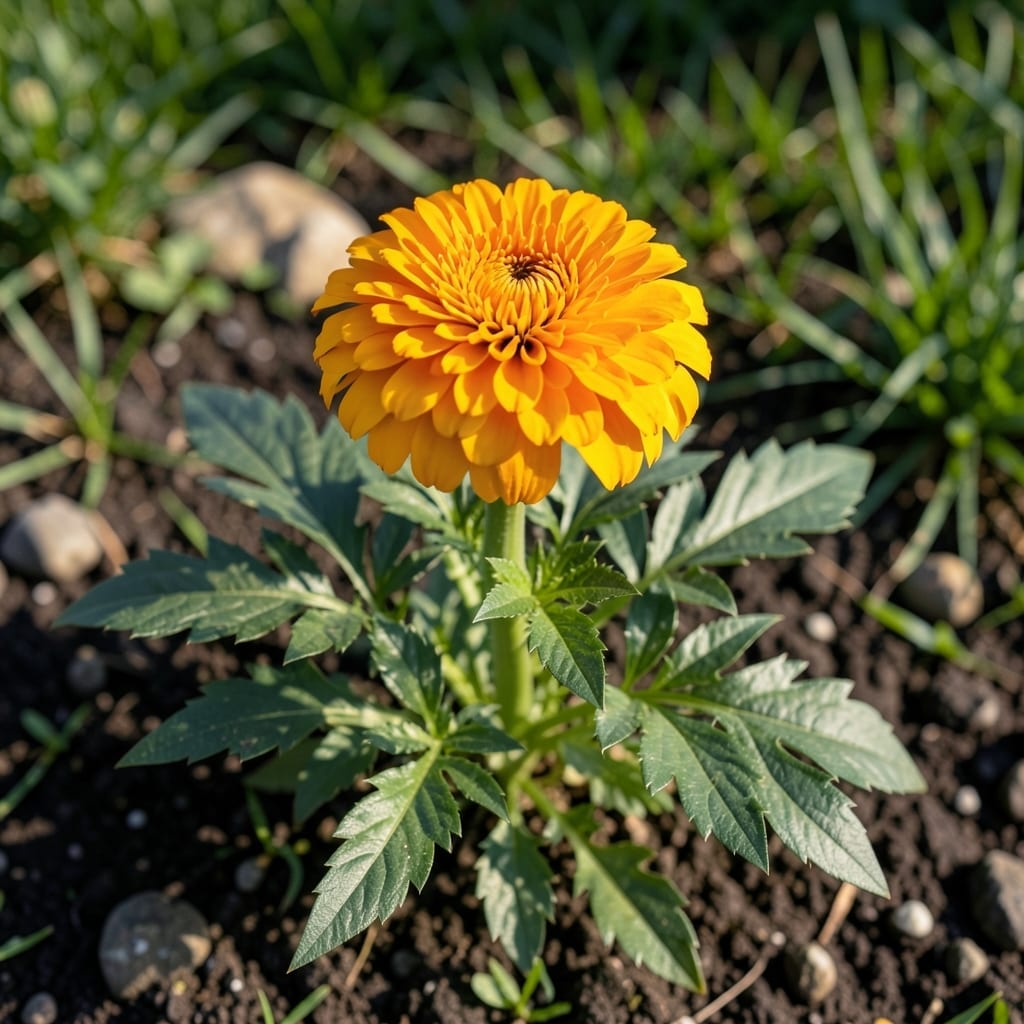
There’s nothing quite like the cheerful pop of 🌼 Marigolds brightening up a garden. These hardy flowers are a favorite for their pest-repelling superpowers and easy care.
But to get the most from your Marigolds, timing is everything. Plant them too early or too late, and you might miss out on their full blooming potential.
Discover the ideal planting window and seasonal care tips to keep your Marigolds thriving from spring through fall. Let’s make your garden shine.
If you’re wondering when are marigolds in season, the answer depends on your climate zone and the marigold variety you choose. These vibrant flowers thrive in warm weather, typically blooming from early summer through fall.
In most USDA zones, you can expect French marigolds to start blooming in June, while African marigolds may begin slightly later. Signet marigolds often flower earlier, sometimes as soon as May in warmer regions.
For gardeners in cooler climates, like USDA zone 6, marigolds should be planted after the last frost, usually around mid-April to May. This ensures the soil has warmed to at least 60°F, a critical temperature for germination.
In warmer regions, such as USDA zones 9-11, marigolds can be planted earlier in spring or even in late winter for a head start. They’ll often continue blooming year-round in frost-free areas with proper care.
Frost is the biggest enemy of marigolds. Even a light frost can damage or kill these tender annuals. If an unexpected cold snap is forecasted, protect your plants with row covers or cloches.
For maximum bloom time, plant marigolds in full sun with well-draining soil. They’ll reward you with continuous flowers if you deadhead spent blooms regularly. This simple task encourages the plant to produce more flowers.
If you live in an area with hot summers, marigolds may take a brief pause in blooming during the hottest weeks. Don’t worry—they’ll typically resume flowering once temperatures cool slightly.
For gardeners who want to extend the season, consider starting seeds indoors 6-8 weeks before the last frost. This gives your marigolds a head start and can lead to earlier blooms.
Remember, marigolds are annuals, meaning they complete their life cycle in one growing season. However, in frost-free areas, they may self-seed and return the following year.
With the right timing and care, your marigolds can provide months of color and pest protection. Whether you’re in a cool northern climate or a warm southern region, there’s a way to enjoy these cheerful flowers almost year-round 🌼
To keep your marigolds blooming longer, start with deadheading spent flowers regularly. This simple step prevents seed formation and encourages new blooms to form.
Another great trick is succession planting. Sow new seeds every 2-3 weeks for a continuous display of color throughout the growing season.
For gardeners in mild winter climates, marigolds can sometimes survive light frosts with protection. Use mulch or frost cloth to shield plants on cold nights.
Container growing offers another advantage. Potted marigolds can be moved indoors when temperatures drop, giving you extra weeks of color.
Remember that well-draining soil is crucial. Soggy roots can shorten the blooming period and make plants more susceptible to disease.
With these techniques, I’ve managed to keep my marigolds blooming from late spring through first frost and beyond in protected areas. The key is consistent care and quick response to changing weather 🌼