
Beautiful Plants For Your Interior
Beautiful Plants For Your Interior
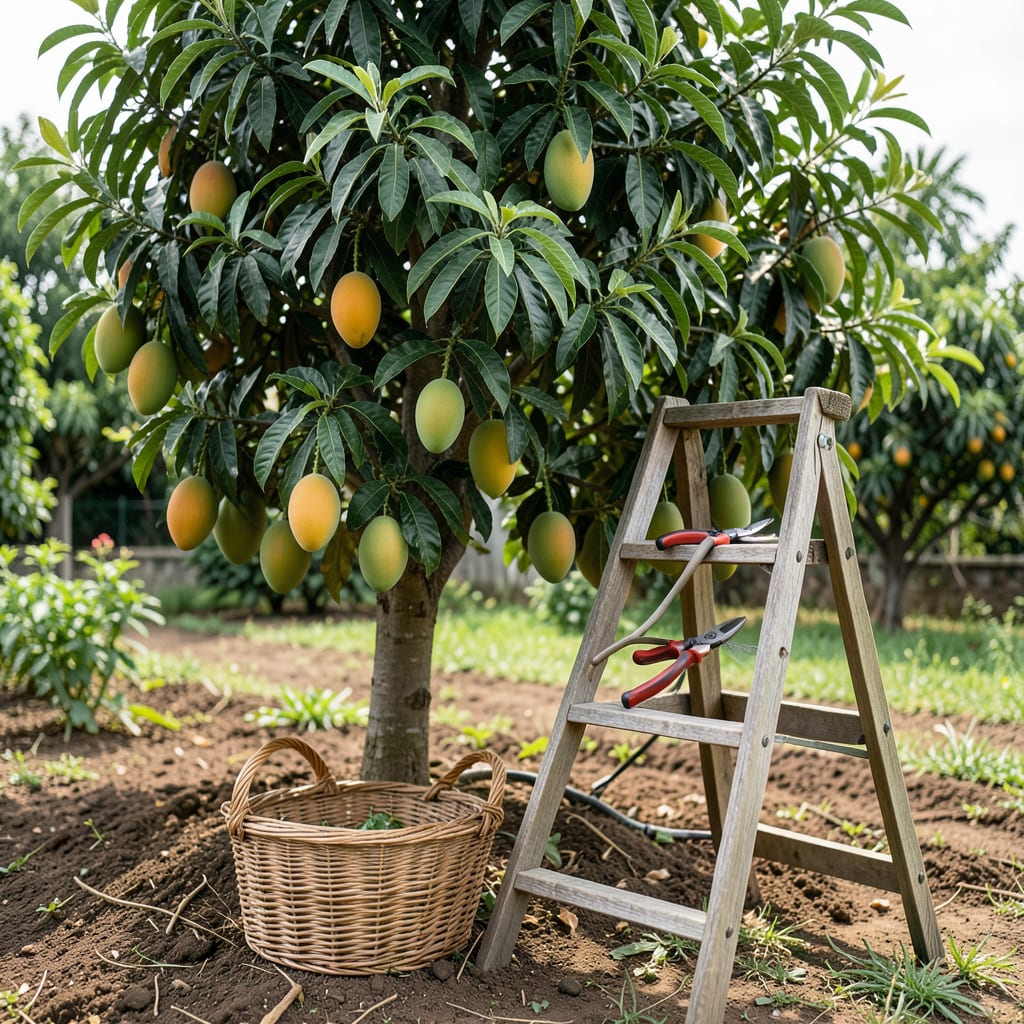
Picking 🥭 mango at the perfect moment ensures the sweetest, juiciest fruit. But knowing when they’re ready can be tricky.
Unlike many fruits, mangos don’t always ripen fully on the tree. I’ll show you the key signs and seasonal clues to harvest them at peak flavor.


Knowing when to pick mangos can feel like a guessing game. Unlike apples or peaches, mangos often ripen best after they‘re picked. I look for specific visual and tactile cues to determine readiness.
The first sign I check is color change. Most mango varieties transition from deep green to yellow, orange, or red as they mature. However, color alone isn’t always reliable—some varieties stay green even when ripe.
| Sign | What to Look For |
|---|---|
| Color | Yellow/orange hues appear |
| Texture | Slightly soft to gentle squeeze |
| Aroma | Sweet scent at stem end |
| Stem | Snaps easily when lifted |
The shoulder test is another reliable method. I gently squeeze the stem end of the fruit—if it gives slightly, it’s likely ready. This part of the mango ripens first, so it’s the best spot to check.
A strong sweet aroma near the stem is a sure sign of ripeness. I’ve found that unripe mangos have little to no smell. As the fruit matures, the fragrance becomes noticeable and increasingly sweet.
For varieties that don’t change color, I rely on the squeeze test. A ripe mango will yield slightly to gentle pressure, similar to a ripe avocado. Be careful not to squeeze too hard—mangos bruise easily.
The stem snap test is particularly useful for tree-ripened fruit. I lift the mango gently—if the stem snaps off easily, it’s ready to pick. If it resists, I leave it on the tree for a few more days.
I also look for a waxy sheen developing on the skin. This subtle change indicates the fruit is maturing. The skin may also develop small black speckles, which are normal and don’t affect flavor.
Remember that mangos continue ripening after picking. I often harvest them when they’re mature but still firm, then let them ripen indoors. This prevents birds and pests from getting to them first.
For the best flavor, I pick mangos in the early morning when temperatures are cooler. This helps preserve their natural sugars and freshness. Always use sharp pruners or twist gently to avoid damaging the fruit or tree.☀️
Timing your mango harvest depends heavily on both variety and climate zone. In tropical regions like South Florida or Hawaii, mango season typically runs from May to September, with peak harvest in summer.
Different mango varieties have distinct ripening windows. Early-season types like Ice Cream or Julie may be ready as early as April, while late varieties such as Keitt often ripen in August or September. I always check my local USDA zone for precise timing.
| Variety | Harvest Window | USDA Zone |
|---|---|---|
| Keitt | August-September | 10b-11 |
| Kent | June-July | 10b-11 |
| Tommy Atkins | May-July | 10b-11 |
| Ice Cream | April-June | 10b-11 |
In cooler climates like California, mango trees may produce fruit later in the season, often July through September. I’ve noticed that container-grown mangos can have slightly different timing due to microclimate variations.
For commercial growers in tropical zones, the season may extend nearly year-round. However, home gardeners typically see one main harvest period. I recommend keeping a garden journal to track your tree’s specific patterns from year to year.
Remember that weather conditions can shift harvest times. A warm spring may accelerate ripening, while cool temperatures can delay it. I always monitor my trees closely as the expected harvest window approaches.
If you’re growing multiple varieties, you can enjoy fresh mangos for months. I’ve found that planting early, mid, and late-season types extends my harvest significantly. This approach works well in both tropical and subtropical climates.☀️
Harvesting mangos at the wrong time can ruin your hard-earned fruit. I’ve seen gardeners make a few common mistakes that lead to disappointing results. Learning these pitfalls helps ensure a successful harvest.
One major error is picking too early. If you harvest before the fruit matures, it won’t ripen properly off the tree. I always check for at least one ripeness sign before considering harvest.
Another mistake is waiting too long. Overripe mangos on the tree attract pests and may fall, causing damage. I monitor my trees daily as the harvest window approaches to catch them at the right moment.
Rough handling is also problematic. Mangos bruise easily, which shortens their shelf life and affects taste. I always use gentle twisting motions or sharp pruners to remove fruit without harming the tree or the mango.
I’ve found that morning harvesting reduces stress on both the fruit and tree. The cooler temperatures help preserve the natural sugars and prevent premature spoilage. Always handle your harvest with care.🌳
Most varieties turn yellow, orange, or red when ready, but some stay green. Look for color change from deep green as the primary indicator.
Gently squeeze near the stem—if it gives slightly like a ripe avocado, it’s ready. Also check for a sweet aroma at the stem end.
Certain varieties like Ice Cream mangos stay green when ripe. For these, rely on the squeeze test and aroma instead of color.
Early morning is ideal when temperatures are cooler. This preserves natural sugars and prevents premature spoilage.
