
Beautiful Plants For Your Interior
Beautiful Plants For Your Interior
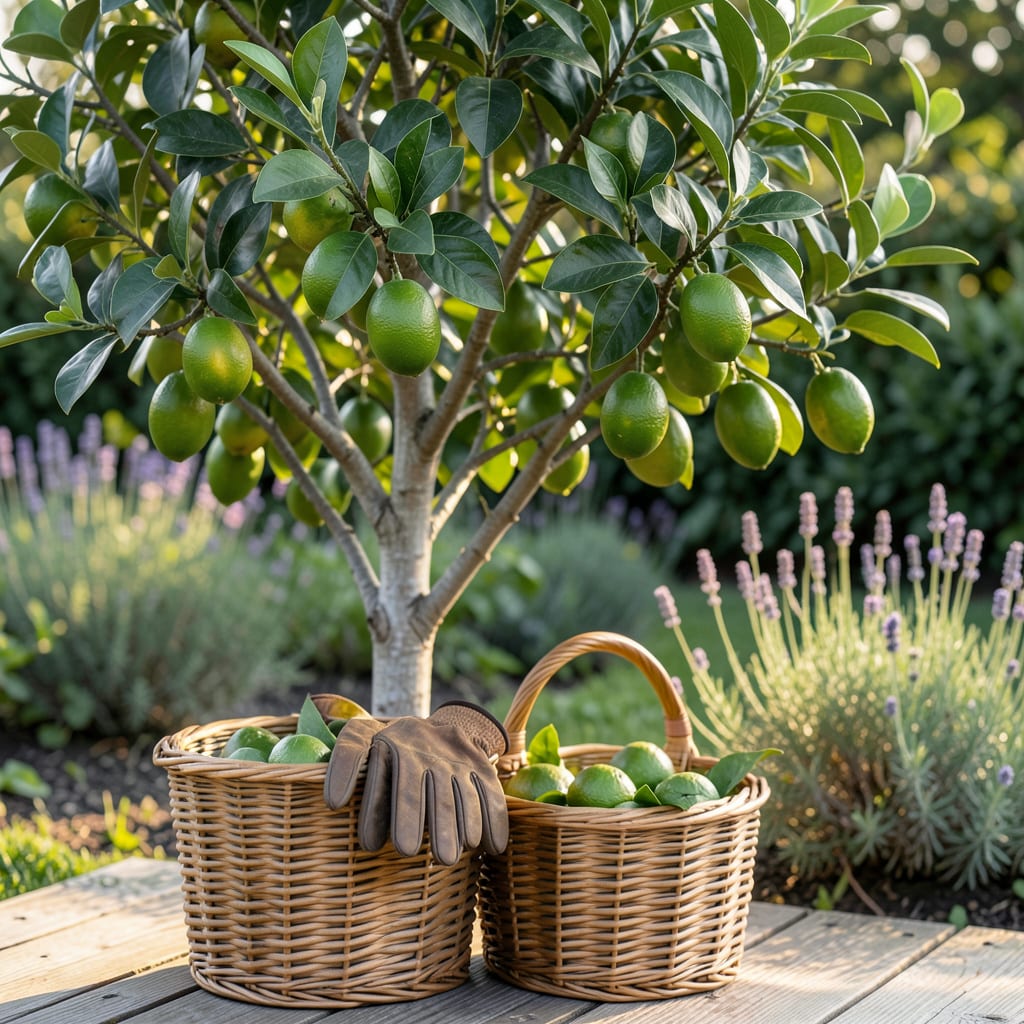
There’s nothing quite like plucking a perfectly ripe lime from your own tree—juicy, fragrant, and bursting with flavor. But how do you know when that bright green fruit is actually ready? Timing makes all the difference between tart disappointment and zesty perfection.
I’ve learned the hard way that color alone won’t cut it. Whether you’re growing Persian, Key, or another variety, I’ll show you the simple signs to look for—plus a foolproof trick to test ripeness before you pick. Let’s make sure your harvest is worth the wait.


I’ll let you in on a secret: color alone won’t tell you when limes are ripe. Unlike other citrus, limes stay green even at peak ripeness. Instead, focus on size, texture, and aroma. Persian limes should be about 2-3 inches long, while Key limes are smaller—think golf ball size.
The real test? Gently squeeze the fruit. A ripe lime will give slightly under pressure, like a firm avocado. If it’s rock-hard, it needs more time. And don’t ignore the skin’s sheen—ripe limes develop a glossy finish, while unripe ones look dull. Rub the skin; a strong citrus scent means it’s ready.
| Variety | Size at Ripeness | Texture & Color | Harvest Tip |
|---|---|---|---|
| Persian Lime | 2-3 inches long | Glossy green, slight give | Twist gently to detach |
| Key Lime | 1-2 inches (golf ball) | Thin skin, bright green | Clip with shears to avoid damage |
| Bearss Lime | 2.5-3 inches | Smooth, shiny skin | Harvest in clusters for even ripeness |
| Kaffir Lime | 1.5-2 inches | Bumpy skin, deep green | Use leaves first; fruit ripens slowly |
Here’s a trick I swear by: Pick one test lime when most fruit on the tree meets these signs. Cut it open—if the juice is plentiful and balanced (not eye-wateringly sour), the rest are ready. If it’s still tart, wait a week and test again. Limes don’t ripen off the tree, so timing is everything.
For Key limes, watch for a yellowish tint at the stem end—this is normal and doesn’t mean they’re overripe. Persian limes, on the other hand, should stay uniformly green. If they start yellowing, they’re past their prime and best used immediately for juice or zest.
Don’t overlook the stem attachment. Ripe limes detach with a gentle twist, while unripe ones cling tightly. Use pruning shears to avoid damaging the tree or fruit. Always leave a short stem attached—this helps prevent rot during storage.
If you’re growing limes in containers, ripening may take longer due to root restriction. Potted trees often need extra warmth and consistent watering to reach full ripeness. Move them to a sunny spot (6+ hours of light) and monitor soil moisture closely.
Remember, overripe limes turn soft and develop a fermented taste. If you spot yellowing or wrinkled skin, harvest immediately and use them within days. Underripe limes, while tart, are great for zest or preserves—just avoid using them raw in drinks.
For the best flavor, harvest limes in the early morning when they’re plump with overnight moisture. Store them at room temperature for up to a week or refrigerate for longer shelf life. And here’s a bonus: limes with thicker skins (like Bearss) store longer than thin-skinned varieties.
Finally, if your tree is loaded with fruit, stagger your harvest. Pick the ripest limes first and leave smaller ones to mature. This ensures a steady supply and prevents waste. With these tips, you’ll never second-guess when to pick your limes again! 🌿
If you’ve ever wondered why your neighbor’s lime tree bears ripe fruit months before yours, climate is likely the culprit. Limes thrive in warm, frost-free zones (USDA 9-11), but even subtle regional differences can shift harvest times by weeks—or months. Let’s break down what to expect.
In tropical climates like Florida or Southern California, limes often ripen year-round, with peak harvests in summer and fall. Cooler zones (like Zone 8) may see a shorter window—typically late summer to early fall. Microclimates matter too: urban heat islands or south-facing slopes can speed things up.
| Climate Zone | Primary Harvest Window | Notes |
|---|---|---|
| Tropical (Zones 10-11) | Year-round, peak June-October | Fruit matures faster; multiple flushes possible. |
| Subtropical (Zone 9) | July-September | Watch for early frosts; harvest before temps drop. |
| Temperate (Zone 8) | August-October | Shorter season; may need frost protection. |
Pro tip: Key limes (small, round, and ultra-aromatic) often ripen earlier than Persian limes (the grocery-store staple). If you’re growing both, expect to harvest Keys in early summer, while Persians may linger until late fall. Always check your tree’s microclimate too.
Don’t forget—container-grown limes can have different timelines. Potted trees in cooler regions might ripen 2-4 weeks later than in-ground plants. If you’re moving pots indoors for winter, harvest any near-ripe fruit first; they won’t continue ripening off the tree like tomatoes.
Still unsure? Here’s my go-to test: Pick one lime when it’s glossy green and gives slightly to pressure. Cut it open—if the juice is abundant and the flavor balanced (not mouth-puckeringly sour), the rest are ready. If not, wait a week and test again.
Remember, limes won’t ripen further once picked, so patience pays off. In warmer climates, you might get a second, smaller harvest in late fall. Keep an eye out for yellowing fruit—that’s a sign of overripeness, and you’ll want to use those limes quickly.
For the juiciest results, harvest in the early morning when fruit is plump with overnight moisture. Use pruning shears to avoid tearing the stem, and wear gloves if you’re sensitive to the tree’s oils. Store limes at room temp for a week or refrigerate for up to a month.
Timing your lime harvest isn’t just about flavor—it affects everything from juice yield to how long your fruit lasts. I’ve learned the hard way that picking too soon or waiting too long can turn a perfect harvest into a kitchen disappointment. Let’s talk about what happens when timing goes wrong.
If you harvest underripe limes, expect an eye-watering tartness and minimal juice. These limes are rock-hard, with dull skin and little aroma. While they’re great for zesting or making preserves (where sugar balances the acidity), they’re terrible for fresh juicing or garnishes. The flesh will be pale and dry.
On the flip side, overripe limes turn soft and develop a fermented, almost boozy flavor. Their skin wrinkles or yellows, and the juice can taste bitter. These are best used immediately—think fresh-squeezed juice or limeade where texture doesn’t matter. Avoid storing them long-term.
Here’s how to salvage a mistimed harvest: For underripe limes, try candying the peel or using them in marinades where acidity is welcome. Overripe limes? Freeze the juice in ice cube trays for later use. Just label them—overripe juice loses its bright flavor after a month.
A quick fix for borderline limes: Roll them firmly on the counter before cutting. This breaks up the flesh and releases more juice, even from slightly underripe fruit. For storage, keep underripe limes at room temperature to (slowly) soften, while overripe ones belong in the fridge to delay spoilage.
Pro tip: If your tree has a mix of ripe and unripe fruit, harvest selectively. Twist off only the glossy, slightly soft limes and leave the rest. This prevents waste and gives smaller fruit time to mature. And remember—limes don’t ripen off the tree, so when in doubt, wait! 🌿
Look for a glossy green skin and a slight give when gently squeezed. Ripe limes also have a strong citrus aroma when rubbed. If the skin is dull or the fruit feels rock-hard, it needs more time.
Yellowing often means the lime is overripe, especially for Persian varieties. However, Key limes naturally develop a yellowish tint at the stem end when ripe. Use yellow limes quickly—they’re best for juicing.
No, limes don’t ripen off the tree like bananas or avocados. They’ll stay hard and tart if picked too soon. Always wait until they’re fully ripe on the tree for the best flavor and juice yield.
Harvest in the early morning when the fruit is plump with overnight moisture. This ensures maximum juiciness and flavor. Avoid picking during the hottest part of the day to prevent stress on the tree.
Store ripe limes at room temperature for up to a week or refrigerate for longer shelf life. Keep them in a perforated bag to maintain humidity without trapping moisture, which can cause mold.
