
Beautiful Plants For Your Interior
Beautiful Plants For Your Interior
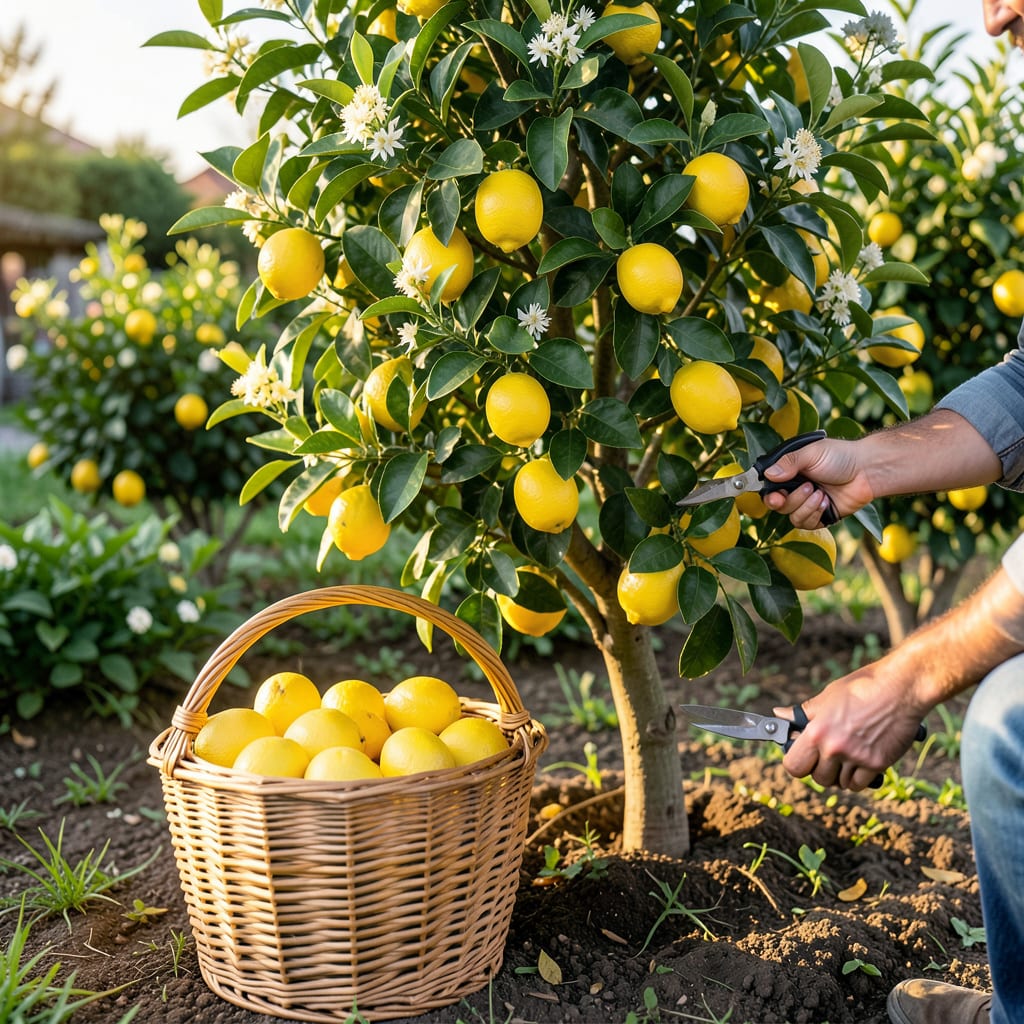
Timing your lemon harvest perfectly ensures the juiciest, most flavorful fruit. The 🍋 Lemon tree thrives in zones 9-11, offering year-round potential with a peak in winter and early spring.
I’ll show you how to spot the ripest lemons and the best seasons to pick them. Whether you have one tree or a full orchard, these tips will help you maximize both yield and taste.
Knowing when to harvest lemons depends on your variety and climate zone. In USDA zones 9-11, many lemon trees produce fruit year-round, but peak harvests typically occur in winter and early spring. 🌱
Different lemon varieties have unique harvest windows. Eureka lemons often ripen in winter, while Meyer lemons may produce fruit in fall and spring. Lisbon lemons thrive in both seasonal and year-round climates. 🌿
| Variety | Primary Harvest Season | USDA Zones |
|---|---|---|
| Eureka | Winter, Spring | 9-11 |
| Meyer | Fall, Spring | 8-11 |
| Lisbon | Year-round, peak Winter | 9-11 |
In cooler climates like zone 8, Meyer lemons are a popular choice because they can tolerate light frosts. They often ripen in late fall and again in early spring, giving you two harvest windows. 🌳
For Eureka lemons, the main harvest typically occurs from November to April. These trees are heavy producers and can have some fruit available throughout the year in ideal conditions. 🌿
Lisbon lemons are versatile and hardy. They produce fruit year-round in warmer zones but peak in winter. Their thick skin makes them more drought-tolerant than other varieties. 🪴
If you’re in zone 9, you might see two harvests per year for Meyer lemons. The first in late fall and the second in early spring. This variety is sweeter and less acidic. ☀️
In zone 10-11, Eureka and Lisbon lemons can produce almost continuously. However, the peak flavor and juice content are usually best in winter months. 💧
For container-grown lemons, harvest times may shift slightly. Meyer lemons in pots often ripen a bit earlier due to controlled conditions. Keep an eye on color changes and fruit weight. ✂️
Remember that microclimates can affect your harvest timing. A south-facing wall or urban heat island might accelerate ripening. Always check for visual cues rather than just relying on the calendar. 🌱
Spotting a ripe lemon is easier than you think. The first sign is full yellow color—no green patches. I check for a slightly soft texture when gently squeezed, which indicates peak juiciness. 🌱
A heavy feel for its size means it’s loaded with juice. I also look for smooth, glossy skin and a strong citrus aroma. These are sure signs your lemons are ready for harvest. 🌿
I avoid picking lemons with green patches, as they’re not fully ripe. A firm, hard texture also means they need more time. I’ve learned that lightweight lemons lack juice and flavor. ✂️
For Meyer lemons, the skin may have a slight orange tint when ripe. I find they’re sweeter than Eureka lemons, which stay bright yellow. Both should feel plump and heavy. 🌳
Another trick I use is the twist test. If a lemon easily twists off the branch with a gentle turn, it’s ready. If it resists, I leave it for another week or two. ☀️
In warmer climates, lemons may ripen faster. I check my trees weekly during peak seasons. Even in year-round zones, winter lemons often taste the best. 💧
Harvesting lemons at the wrong time can ruin your crop. I’ve seen gardeners pick green lemons too early, thinking they’ll ripen indoors like bananas—they won’t. Always wait for full yellow color and proper texture. 🌱
Another common error is leaving lemons on the tree too long. Overripe fruit can become dry and pithy, losing juice and flavor. I check my trees weekly during peak seasons to catch them at the perfect moment. 🌿
⚠️ Warning: Never harvest lemons with green patches or a hard texture. These are signs they’re not ripe. Also, avoid picking during wet conditions to prevent mold.
I also caution against rough handling during harvest. Bruised lemons spoil faster. I use clean pruners or gently twist the fruit off by hand to avoid damaging the tree branches or the fruit. ✂️
Some gardeners forget that container-grown lemons may ripen differently. Potted trees often need more frequent checks since their root systems are confined. I recommend testing one fruit first if you’re unsure about ripeness. ☀️
Finally, don’t assume all lemons ripen at once. Even on the same tree, fruit can mature at different rates. I harvest only the ready ones and leave the rest to continue developing. This ensures a steady supply of fresh lemons. 💧
No, timing varies by type. Eureka and Lisbon peak in winter, while Meyer lemons often ripen in fall and spring. Climate also affects the schedule significantly.
Overripe lemons become dull in color and may feel too soft or wrinkled. They’ll also be lighter as juice content decreases. Check weekly during peak season.
No, unlike some fruits, lemons don’t ripen off the tree. They must reach full yellow color and proper texture before harvest for best flavor and juice.
This often happens with Meyer lemons, which may retain a slight green tint. True ripeness is confirmed by sweet aroma and heavy feel, not just color.
