
Beautiful Plants For Your Interior
Beautiful Plants For Your Interior
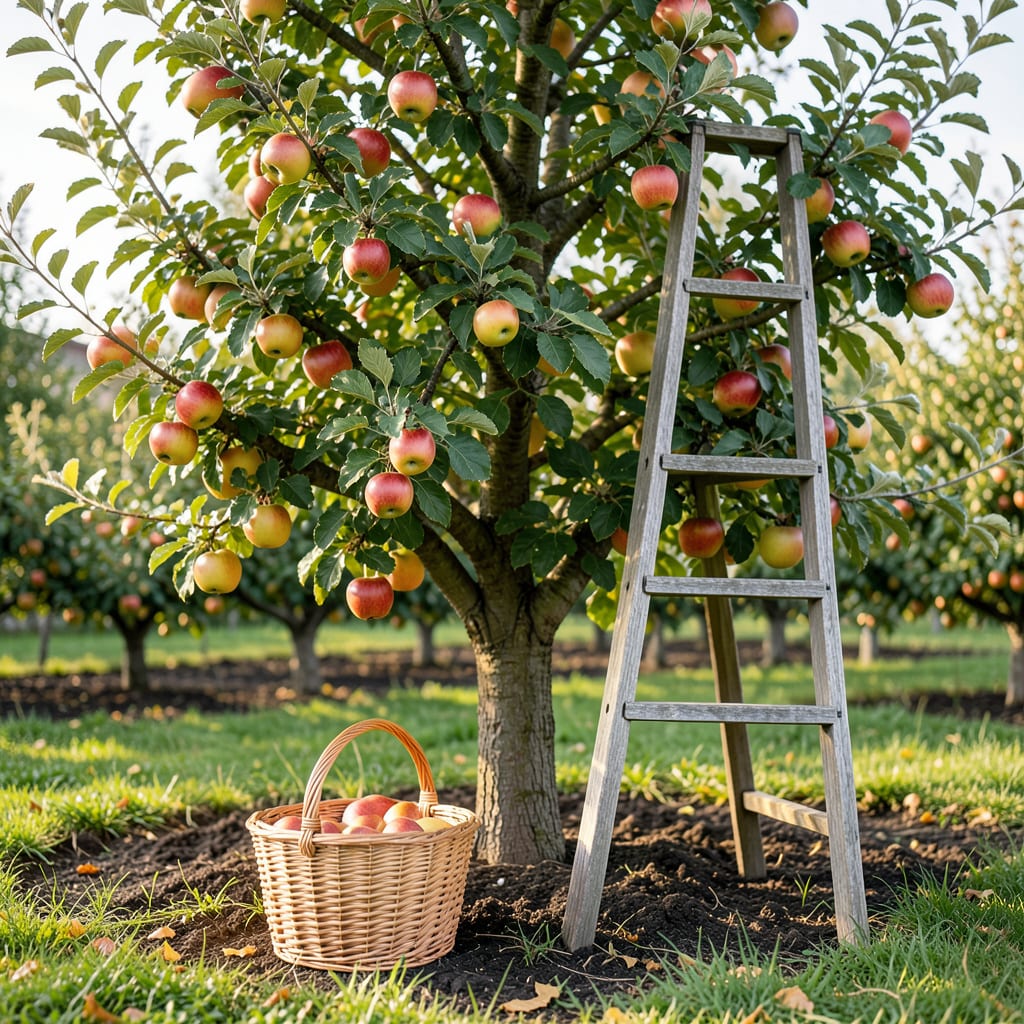
Nothing beats biting into a perfectly ripe Honeycrisp 🍎. But how do you know when they’re ready? Timing is everything with this variety.
I’ll show you the simple tests to check for peak ripeness. From color changes to stem separation, these clues will ensure your harvest is sweet and crisp every time.


The Honeycrisp apple is famous for its sweet-tart flavor and crisp bite, but timing the harvest is crucial. I’ve learned that color change is the first visual clue—look for the green background turning yellow or red depending on the variety.
Texture matters just as much as color. A ripe Honeycrisp will feel firm but yield slightly when gently pressed. The skin should look smooth, not wrinkled, and the stem should separate easily with a gentle twist.
| Ripeness Sign | What to Look For |
|---|---|
| Color Change | Green to red or yellow |
| Firmness | Slight give when pressed |
| Stem Separation | Twists off easily |
| Seed Color | Dark brown inside |
Regional climate plays a big role in harvest timing. In cooler zones like USDA 4-5, Honeycrisps often ripen in late September. Warmer areas in zone 7 may see ripe fruit as late as mid-October.
I always check the underside of the apple first. If it’s still green, the fruit isn’t ready. Another trick is to lift and twist the apple gently—if it comes off cleanly, it’s time to pick.
The taste test is my final check. Slice open one apple from different parts of the tree. Ripe Honeycrisps burst with juicy sweetness and have a satisfying crunch.
Watch for overripening signs like soft spots or wrinkled skin. These apples won’t store well. I aim to pick when 70-80% of the fruit shows color change for the best batch.
Morning harvests are ideal because the fruit is firmest after a cool night. I use a gentle twisting motion to avoid damaging the spur, which ensures better yields next year.
Remember that tree age affects ripening too. Younger trees may produce fruit that ripens 1-2 weeks earlier than mature ones. Keep notes each year to track your tree’s patterns.
With these tips, you’ll never wonder when to pick Honeycrisp apples again. The combination of color, texture, and stem tests gives you confidence in every harvest. ☀️
Beyond color and texture, I rely on the stem twist test for confirming ripeness. A ripe Honeycrisp will detach cleanly with a gentle upward twist, leaving the spur intact for next year’s growth.
The seed color test is another reliable method. Cut open an apple and check the seeds—dark brown seeds indicate full ripeness, while white or light brown means the fruit needs more time.
I always start with the stem test because it’s the least invasive. If the apple resists or the stem breaks, the fruit isn’t ready. This method works best in cool morning temperatures when the fruit is firm.
For the seed color check, I pick one apple from different parts of the tree. If most seeds are dark brown, I know the entire crop is nearly ready. This test is especially useful for first-time growers learning their tree’s patterns.
The taste test is my favorite final check. A perfectly ripe Honeycrisp will have a balanced sweet-tart flavor and that signature crisp texture. If it’s still sour or starchy, wait a few more days.
Combining these tests with the color and texture cues from earlier gives me complete confidence in my harvest timing. I’ve found that Honeycrisps in zone 6 often pass all tests by early October. 🌳
Even experienced gardeners can make costly mistakes when harvesting Honeycrisp apples. I’ve seen many pick too early because they’re eager, only to end up with tart, starchy fruit that lacks the signature Honeycrisp crunch.
Another common error is waiting too long. Overripe Honeycrisps become soft and mealy, losing their crisp texture. They also don’t store well, so timing is everything with this variety.
⚠️ Warning: Picking Honeycrisps before they’re fully ripe results in poor flavor and texture. Always use the stem twist test and seed color check to confirm readiness.
Improper handling is another issue I see often. Never pull apples directly off the branch—this can damage the spur and reduce next year’s yield. Instead, use a gentle twisting motion to detach the fruit cleanly.
Environmental factors can also mislead you. A hot, dry summer might make apples appear ripe earlier, but they often need more time to develop their full sweetness. Always verify with the taste test from different parts of the tree.
Finally, don’t ignore tree health. Stressed trees may produce fruit that ripens unevenly. Ensure your Honeycrisp gets consistent watering and proper nutrition throughout the growing season for the best harvest. 🌳
Look for the green background to turn yellow or red. Check the underside first—if it’s still green, the apple needs more time.
Use the stem twist test. Gently lift and twist the apple—if it separates cleanly, it’s ready. This works best in cool morning temperatures.
Younger trees often ripen 1-2 weeks earlier than mature ones. Climate also matters—cooler zones see ripe fruit in late September, while warmer areas may wait until mid-October.
Underripe Honeycrisps will be tart and starchy, lacking the signature crunch and sweetness. Always verify with the seed color test—dark brown seeds mean they’re ready.
