
Beautiful Plants For Your Interior
Beautiful Plants For Your Interior
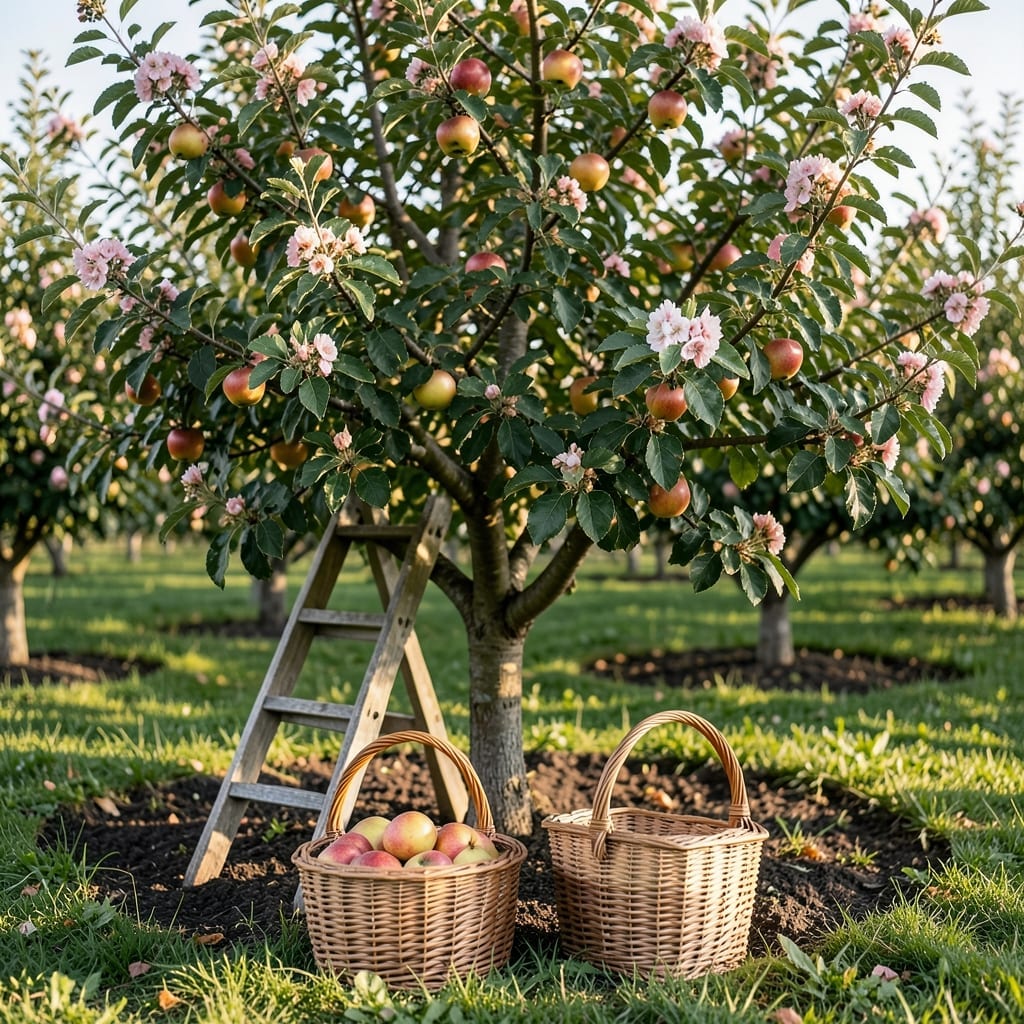
Nothing beats that first bite of a perfectly ripe Honeycrisp Apple 🍎 – crisp, sweet, and bursting with flavor. But how do you know when they’re truly ready to pick?
Unlike store-bought apples, your Honeycrisp won’t come with a “ripe now” sign. The secret lies in watching for subtle changes in color, texture, and even the way they sound when you lift them.
From September to October, your trees are working hard to deliver that signature crunch. I’ll show you exactly what to look for so you never pick one too early or too late again.
Discover the simple tests that reveal perfect ripeness every time. Your best harvest is just a few tips away.
I’ve found that Honey Crisp apples reveal their readiness through color changes first. Watch for the skin to transition from green to deep red with subtle yellow undertones. This shift signals the fruit is nearing peak sweetness and texture.
Another reliable indicator is the stem separation test. When I gently lift and twist an apple, a ready fruit will detach easily from the branch. If it resists, it’s not quite there yet.
| Sign | Description |
|---|---|
| Color | Deep red with yellow undertones |
| Stem Test | Separates easily with gentle twist |
| Seed Color | Dark brown or black |
| Texture | Firm but yields slightly to pressure |
I always check the seed color too. When I cut open an apple, dark brown or black seeds confirm it’s ready. Light-colored seeds mean the fruit needs more time on the tree.
The firmness test is another favorite. A ripe Honey Crisp should feel solid but give slightly when pressed. If it’s rock hard or too soft, it’s not at its peak yet.
I’ve noticed that tree age affects ripening. Younger trees often produce fruit that ripens a bit earlier than mature ones. Always test a few apples from different parts of the tree for consistency.
Climate plays a role too. In cooler regions, Honey Crisps may ripen faster, while warmer climates can delay the process. I adjust my checks based on the local weather patterns.
For the best results, I harvest in the morning when temperatures are cooler. This helps preserve the apple’s crispness and flavor. Plus, the fruit is less likely to bruise during picking.
I also listen for the sound when lifting the apple. A ripe one often makes a subtle snapping sound as it detaches, which is a satisfying confirmation of perfect timing.
Finally, I taste-test one or two apples to be sure. A sweet, crisp bite with no starchy aftertaste means the rest are ready. Nothing beats that first homegrown Honey Crisp experience! 🌳
Timing your Honey Crisp apple harvest depends heavily on your USDA zone and local weather. In cooler regions like Zone 3-5, these apples typically ripen in early September, while warmer areas see peak ripeness in late September to October. 🌳
Microclimates can shift these windows by 1-2 weeks. If your tree gets extra afternoon sun or sits in a sheltered spot, check for ripeness a bit earlier. I always test a few apples from different branches to confirm. ☀️
Frost is the biggest risk for late harvests. A light frost can actually sweeten the apples, but a hard freeze will ruin the texture. I start monitoring the forecast in early September and harvest before temperatures drop below 28°F (-2°C). 🌡️
To test readiness, pick a sample apple and check its color and firmness. A ripe Honey Crisp should have a deep red hue with yellow undertones and feel slightly soft when pressed. The stem should separate cleanly with a gentle twist.
Don’t rely on calendar dates alone. Tree age and summer weather can accelerate or delay ripening. Younger trees often produce fruit 1-2 weeks later than mature ones. A rainy summer may also push harvest time back slightly.
If you’re unsure, pick a few apples and let them sit at room temperature for a week. Ripe ones will soften and develop their signature sweet, crisp flavor. This trick helps me confirm I’ve chosen the perfect moment every time. ✂️