
Beautiful Plants For Your Interior
Beautiful Plants For Your Interior
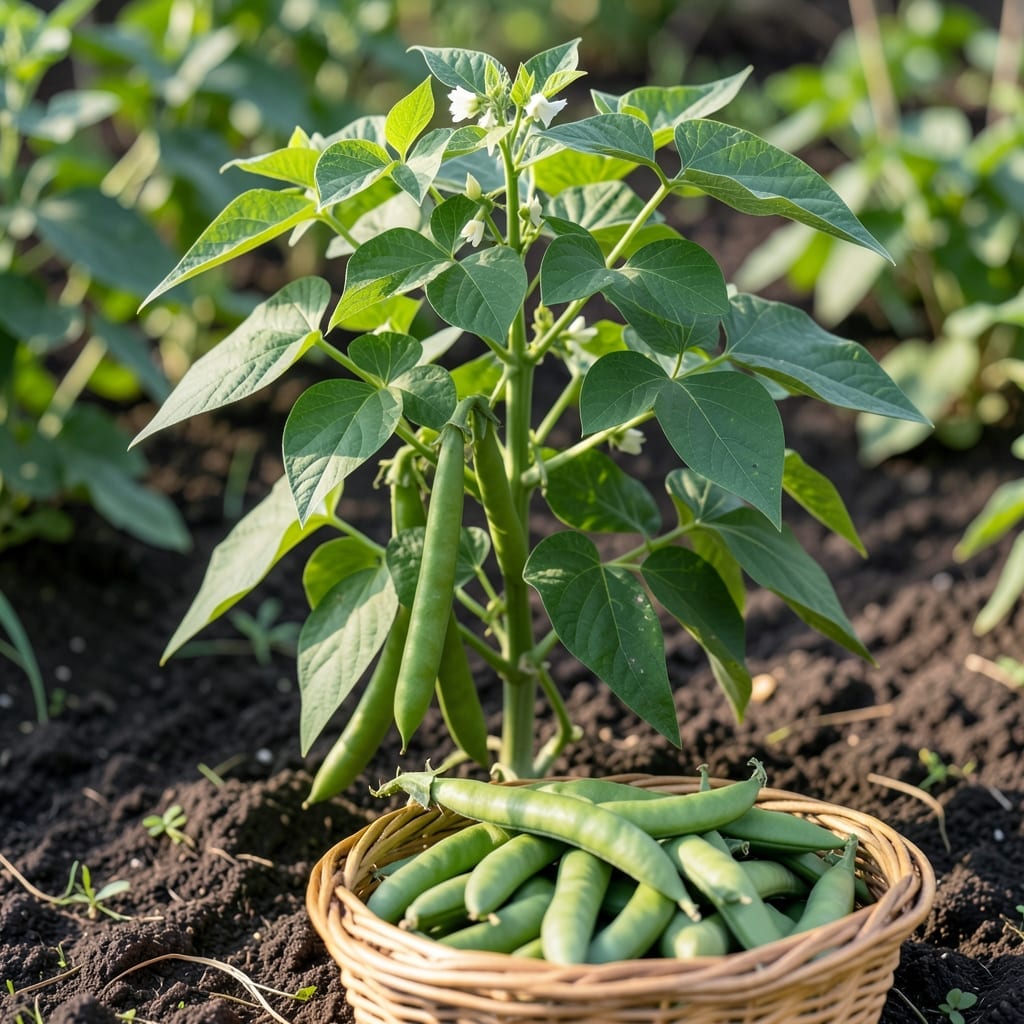
Picking Green Beans 🌱 at the perfect stage ensures the best flavor and texture, but many gardeners struggle to identify the ideal harvest time.
Knowing exactly when they’re ripe can mean the difference between crisp, tender pods and tough, overgrown ones.
I’ve learned that timing is everything with these easy-to-grow vegetables. The signs are subtle but clear once you know what to look for.
Let me show you how to spot the perfect harvest moment for your Green Beans and why it matters for your garden’s success.


I always check for pod length first when determining if my green beans are ready. The ideal size is typically 4-6 inches long, though this can vary slightly by variety. This length ensures the beans inside are tender but not overdeveloped.
Next, I look at the color and texture. Ripe green beans should have a bright green color and feel firm and crisp when gently squeezed. If the pods are dull or yellowing, they’re likely past their prime.
| Sign | Description |
|---|---|
| Pod Length | 4-6 inches |
| Color | Bright green |
| Texture | Firm and crisp |
| Seeds Inside | Small and underdeveloped |
I avoid harvesting green beans if the seeds inside are large and bulging. This usually means they’re overripe, which can make the pods tough and stringy. Instead, I look for small, barely noticeable seeds.
For bush beans, I’ve found they tend to mature all at once, so I check them daily once they start producing. Pole beans, on the other hand, often ripen more gradually, giving me a longer window to harvest.
I also pay attention to the sound and feel of the pods. When I bend a ripe pod, it should snap cleanly with a sharp crack. If it bends without breaking, it’s not quite ready yet.
If the pods feel rubbery or limp, that’s a sign they’re either underripe or overripe. I always aim for that sweet spot where they’re firm but not hard, ensuring the best texture for fresh eating.
Another trick I use is to compare pods on the same plant. If most are 4-6 inches and bright green, but a few are smaller or duller, I’ll harvest the ripe ones first and leave the rest for another day.
Finally, I
By following these cues, I consistently get tender, flavorful green beans that are perfect for fresh meals or preserving. It’s all about timing and paying close attention to the details. ✂️
Harvesting green beans at the right time ensures maximum flavor and tenderness. I always check for firm pods that are 4-6 inches long and snap easily when bent.
Using the right technique prevents plant damage. I gently hold the vine with one hand while picking with the other to avoid tearing the stems. This keeps the plant healthy for continued production.
I harvest my green beans every 2-3 days during peak season. This frequent picking signals the plant to produce more pods, extending my harvest window significantly.
For tools, I prefer sharp scissors or a pruning knife. These make clean cuts without crushing the stems, which could invite disease or pest issues.
The best time to pick is in the early morning when the pods are most crisp. I avoid harvesting after rain when foliage is wet, as this can spread fungal diseases.
Regular harvesting also prevents overripe beans from developing tough seeds. I’ve found that bush beans often mature faster than pole varieties, so I check them daily.
By following these steps, I consistently get tender, flavorful beans throughout the growing season ☀️