
Beautiful Plants For Your Interior
Beautiful Plants For Your Interior
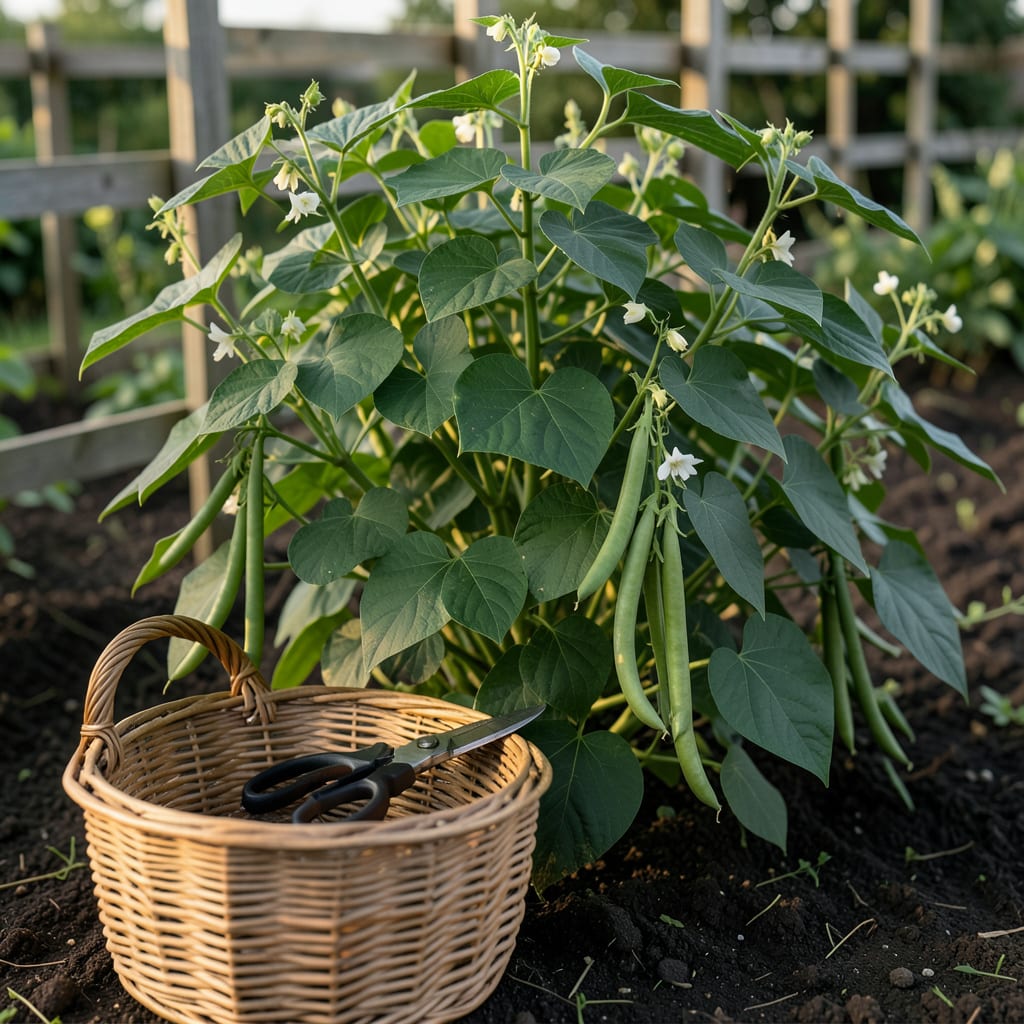
Timing your Green Bean 🌱 harvest perfectly can be a game-changer for flavor and texture. Picking too early or too late can leave you with disappointing results.
I’ll show you the most important visual cues and timing tips to ensure you gather your crop at its peak. Let’s get started.


Identifying the perfect harvest window for green beans starts with visual inspection. I look for pods that are 4-6 inches long, firm to the touch, and a vibrant green color. These are the first signs your crop is nearing readiness.
Another key indicator is the pod’s texture. When gently bent, a ready green bean should snap cleanly with a crisp sound. If it bends without breaking, it needs more time.
| Sign | Description | Appearance |
|---|---|---|
| Pod Length | 4-6 inches ideal size | Slim and straight |
| Color | Bright green uniform hue | No yellowing spots |
| Texture | Firm and crisp | Snaps easily when bent |
| Seeds Inside | Barely visible small bumps | Not bulging or overgrown |
The seeds inside the pod offer another clue. When green beans are ready, the seeds should be small and barely visible. If they’re large and bulging, you’ve waited too long, and the pods will be tough.
I always check multiple pods on the plant, as green beans don’t all mature at the same time. Bush beans tend to produce all at once, while pole beans offer a staggered harvest over several weeks.
For bush varieties, expect the first harvest about 50-55 days after planting. Pole beans may take a bit longer, often 55-60 days, but they’ll continue producing as long as you keep picking.
I recommend harvesting in the early morning when the pods are at their crispest. This is when their moisture content is highest, ensuring the best texture and flavor.
Use sharp scissors or pruning shears to avoid damaging the plant. I always hold the stem with one hand while cutting with the other to prevent pulling the vine accidentally.
If you notice some pods are pale green or yellowish, they’re likely past their prime. These should be removed immediately to encourage the plant to focus energy on producing new, tender pods.
Regular harvesting actually stimulates more production. I make it a habit to check my green bean plants every 2-3 days during peak season to catch pods at their perfect stage. ☀️
Timing your green bean harvest depends largely on the variety you’re growing. I find most bush beans reach maturity in about 50-55 days, while pole beans typically take 55-60 days from planting.
These timeframes can shift based on growing conditions. Warmer climates may speed up maturity by a few days, while cooler temperatures might extend the waiting period. Always check your seed packet for variety-specific guidance. 🌱
For continuous harvests, I recommend succession planting. Sow new seeds every 2-3 weeks to extend your harvest season. This works especially well with bush varieties that produce all at once.
Climate plays a big role in your harvest timing. In hotter regions, beans may mature faster but require more frequent watering to prevent toughness. In cooler areas, they might take longer to reach full size.
I always note my planting date and count forward to estimate harvest time. But remember, these are just guidelines. The visual cues we discussed earlier are your best indicator of true readiness.
For the best flavor and texture, I harvest my beans in the early morning when they’re most crisp. This simple timing trick can make a noticeable difference in your final product. ✂️
Harvesting green beans at the wrong time or using improper techniques can lead to tough pods and reduced yields. I’ve seen gardeners make mistakes that cost them their best crop.
The most common error is waiting too long. Overmature pods become stringy and fibrous, losing that tender crispness we love. Always check your plants every 2-3 days during peak season.
⚠️ Harvest Warning
Avoid harvesting wet plants to prevent disease spread. Also, never pull pods—use scissors or shears to avoid damaging vines.
Another mistake is harvesting too early. Tiny pods lack flavor and texture. Wait until they reach 4-6 inches and exhibit the visual cues we discussed earlier.
Improper handling can also reduce future yields. I always use clean, sharp tools and hold the stem gently. Rough handling can stress the plant and limit additional production.
Finally, ignoring succession planting opportunities means missing out on extended harvests. By sowing new seeds every 2-3 weeks, you can enjoy fresh green beans all season long. ✂️
Check every 2-3 days during peak season. Beans mature quickly, and frequent harvesting encourages more production. Missing just a few days can result in overmature, tough pods.
Avoid harvesting wet plants to prevent disease spread. Always wait for dry conditions, and use clean, sharp scissors to snip pods without damaging the vines.
Yellowing often signals overmaturity or stress. If pods turn yellow while still small, they may be suffering from nutrient deficiency or inconsistent watering. Remove them to redirect energy to healthy growth.
Harvest in the early morning when pods are most crisp. This is when their moisture content is highest, ensuring the best texture and flavor for your fresh crop.
