
Beautiful Plants For Your Interior
Beautiful Plants For Your Interior
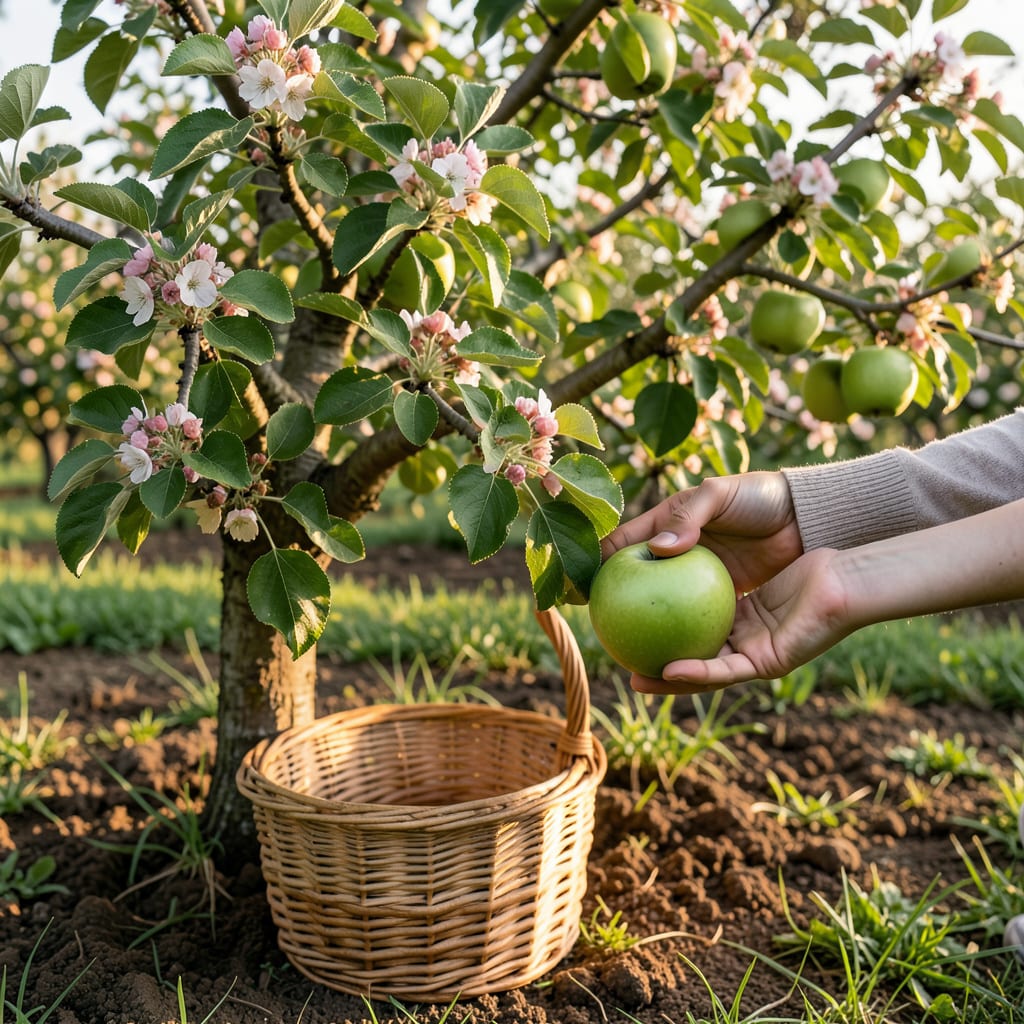
Knowing exactly when green apples are ready can make or break your harvest. Picking too early means tart fruit, while waiting too long risks overripeness and spoilage.
I’ll show you the key signs to watch for—from color changes to stem separation—so you can enjoy perfectly ripe 🍏 apples every time.


I’ve found that green apples often trick gardeners because their color doesn’t change like red varieties. Instead, look for subtle maturation signs that indicate perfect ripeness for picking.
The first clue is the seed color – when they turn dark brown or black, your apples are nearly ready. This happens about 120-180 days after bloom for most green varieties.
| Ripeness Sign | What to Look For |
|---|---|
| Seed Color | Dark brown or black |
| Stem Separation | Twists off easily |
| Fruit Texture | Slightly soft when pressed |
| Aroma | Sweet, apple scent |
The stem test is my go-to method. Gently twist the apple upward – if it separates cleanly from the branch, it’s ready. If it resists, give it a few more days to mature.
Another reliable indicator is the firmness test. Press your palm against the apple – ripe ones will have a slight give, while unripe fruit remains rock hard. Remember, green apples should still feel fairly firm even when ripe.
I always check the days from bloom too. Most green apple varieties need 120-180 days to mature. Count forward from when your tree flowered to estimate the harvest window. Granny Smith typically needs the full 180 days.
The aroma test is often overlooked but very effective. Ripe green apples develop a sweet, fragrant smell at the stem end. If you don’t notice any scent, the fruit likely needs more time on the tree.
For the most accurate results, I recommend using multiple tests together. A combination of seed color, stem separation, and aroma gives the clearest picture of ripeness. Never rely on just one indicator.
Remember that early varieties like Shamrock may be ready in late summer, while Granny Smith often ripens in late fall. Your local climate and growing conditions can shift these timelines by a week or two.
Finally, taste testing is the ultimate confirmation. Pick one apple and sample it – if it’s sweet with just a hint of tartness, the rest are likely ready. If it’s still very tart, wait a few more days before harvesting the full crop. 🌳
I’ve seen many gardeners ruin their harvest by picking green apples too early or waiting too long. Timing is critical for peak flavor and storage potential. 🌳
One common error is ignoring variety-specific signs. Granny Smith and Shamrock apples have different ripeness indicators that you must observe closely.
⚠️ Avoid These Harvest Pitfalls
Picking before seeds darken results in tart, starchy fruit. Waiting too long leads to soft, mealy texture and shorter storage life.
Another mistake is using force when picking. If the apple doesn’t separate easily from the stem with a gentle twist, it’s not ready yet. Forcing it can damage the tree.
I always check for stem separation and seed color first. If the seeds are still white, the apple needs more time on the tree. This simple check prevents premature harvesting.
Also, avoid harvesting after heavy rain when fruit is waterlogged. The excess moisture can dilute flavor and reduce storage quality. Wait for dry conditions for best results.
Finally, don’t ignore regional differences. Cooler climates may have later harvest windows than warmer areas. Always adjust your timing based on local conditions and tree behavior. 🌱
I’ve grown several green apple varieties over the years, and each has its own unique harvest window. The timing can vary by 2-3 weeks depending on your climate and growing conditions.
Early varieties like Shamrock typically ripen in late summer, while Granny Smith often needs until late fall to reach peak flavor. Knowing your variety helps you plan the perfect harvest time.
| Variety | Harvest Time | Days From Bloom |
|---|---|---|
| Granny Smith | Late October | 180 days |
| Shamrock | Late August | 120-140 days |
| Crispin | Mid September | 140-160 days |
Granny Smith is my favorite for long-term storage, as it keeps well for months in cool conditions. Its tart flavor mellows slightly over time, making it perfect for fresh eating.
Shamrock apples are ideal if you want an early harvest. They’re sweet and crisp right off the tree, but don’t store as long as Granny Smith. I recommend eating these within a few weeks of picking.
For Crispin apples, watch for a slight yellow tint developing on the skin. This variety offers a great balance of sweetness and tartness, and stores well for about 2 months. 🌳
Gently twist a single apple from the tree and cut it open. If seeds are dark brown or black, the rest are likely ready. This test is more reliable than color alone for green varieties.
This often happens with Granny Smith. Give them 3-5 more days on the tree. Late varieties need the full 180 days to develop their signature sweet-tart balance.
No, frost damages the fruit’s texture and flavor. Harvest all apples before the first frost, even if they seem slightly underripe. They’ll continue ripening in storage.
This is normal for varieties like Crispin. A slight yellow blush indicates maturity. The green skin remains dominant, but the yellowing shows the fruit is reaching peak sugar content.
