
Beautiful Plants For Your Interior
Beautiful Plants For Your Interior
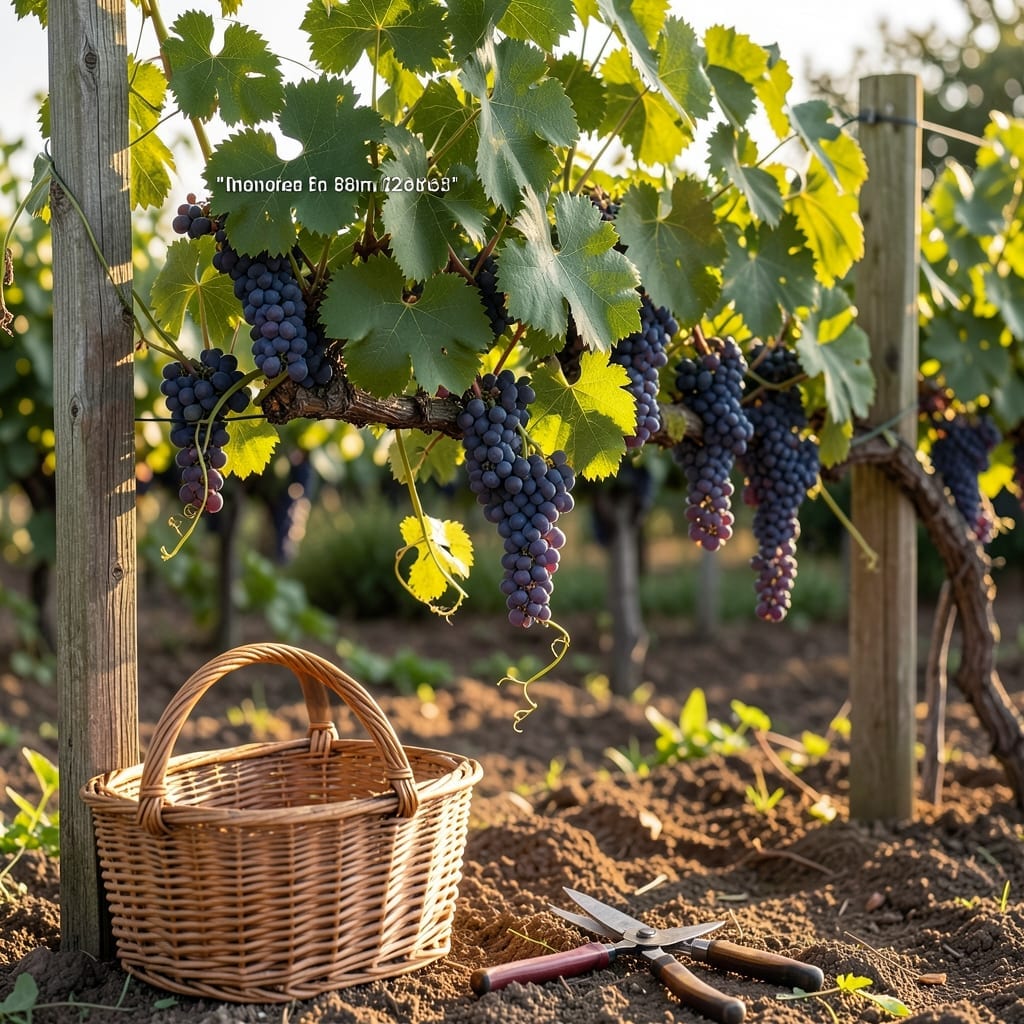
Knowing exactly when your 🍇 Grape is ready can mean the difference between tart disappointment and sweet, juicy perfect flavor. Whether you’re growing table or wine varieties, timing your harvest is crucial.
I’ve learned that visual cues and simple tests can reveal everything you need to know. From color changes to gentle squeeze tests, these methods ensure you pick at peak ripeness.
Discover the subtle signs that transform good grapes into extraordinary ones. Let me show you how to nail that perfect harvest every time.


I always look for color changes first when checking grape ripeness. Red and purple varieties deepen to their full hue, while green grapes develop a translucent appearance. This is your first visual clue that harvest time is near.
Another telltale sign is the stem color. As grapes mature, the stems transition from green to brown and become slightly woody. This change happens gradually, so I check clusters regularly.
| Variety | Color Sign | Texture Sign |
|---|---|---|
| Concord | Deep purple-black | Soft with white bloom |
| Thompson Seedless | Golden green | Firm but springy |
| Muscadine | Bronze or purple | Plump and heavy |
The berry texture changes noticeably as grapes ripen. I gently squeeze a few berries – they should feel plump and slightly soft, not hard. Underripe grapes bounce back firmly, while overripe ones may feel mushy.
Cluster appearance matters too. Ripe grapes often have a dusty white coating called “bloom” that’s completely natural. The berries also begin to separate slightly from each other on the cluster.
I pay attention to the aroma as well. Ripe grape clusters emit a sweet fragrance that’s especially noticeable on warm days. This scent is strongest when the sun has warmed the fruit.
For colored varieties, I check for even coloration. The berries should be uniformly colored from stem to tip. Any green near the stem usually means they need more time, though some varieties maintain a green stem.
The taste test is my final check. I sample a few grapes from different clusters. They should taste sweet and full-flavored, not tart. Remember that grapes don’t continue ripening after picking.
Weather affects ripening too. I notice grapes mature faster during hot, dry spells and slower in cool, wet periods. This means harvest time can vary by 1-2 weeks from year to year.
Early varieties like Interlaken may be ready by late summer, while late varieties such as Cabernet Sauvignon might hang until early fall. I always check my specific variety’s typical ripening window.
I’ve found that morning is the best time to check for ripeness. The grapes are firmer after cool nights, making it easier to assess their true condition without the heat of the day affecting their texture ☀️
I never rely on looks alone when determining if my grapes are ripe. Visual cues can be misleading, especially with some green varieties that stay light-colored even when ready. That’s why I always do a few simple tests first.
The squeeze test is my go-to method. I gently press a berry between my fingers – ripe grapes should yield slightly but not feel mushy. If it’s still hard, it needs more time on the vine.
A refractometer gives me precise sugar readings. For table grapes, I look for 18-22% Brix, while wine grapes often need higher levels. This tool removes all guesswork about sweetness.
The stem test is another reliable indicator. I check if berries detach easily when gently pulled. Ripe grapes should come away cleanly, while unripe ones resist and may tear the skin.
I also pay attention to the sounds the grapes make. When I tap a ripe cluster, I can hear a subtle difference – the berries sound hollow compared to the dull thud of unripe ones.
For the most accurate results, I test grapes from different parts of the vine. Sun-exposed clusters often ripen first, while shaded ones may lag behind by a few days. This helps me determine if the entire vine is ready.
Remember that grapes don’t ripen after picking, so it’s better to wait an extra day if you’re unsure. I’ve learned patience pays off with the sweetest harvests ✂️