
Beautiful Plants For Your Interior
Beautiful Plants For Your Interior
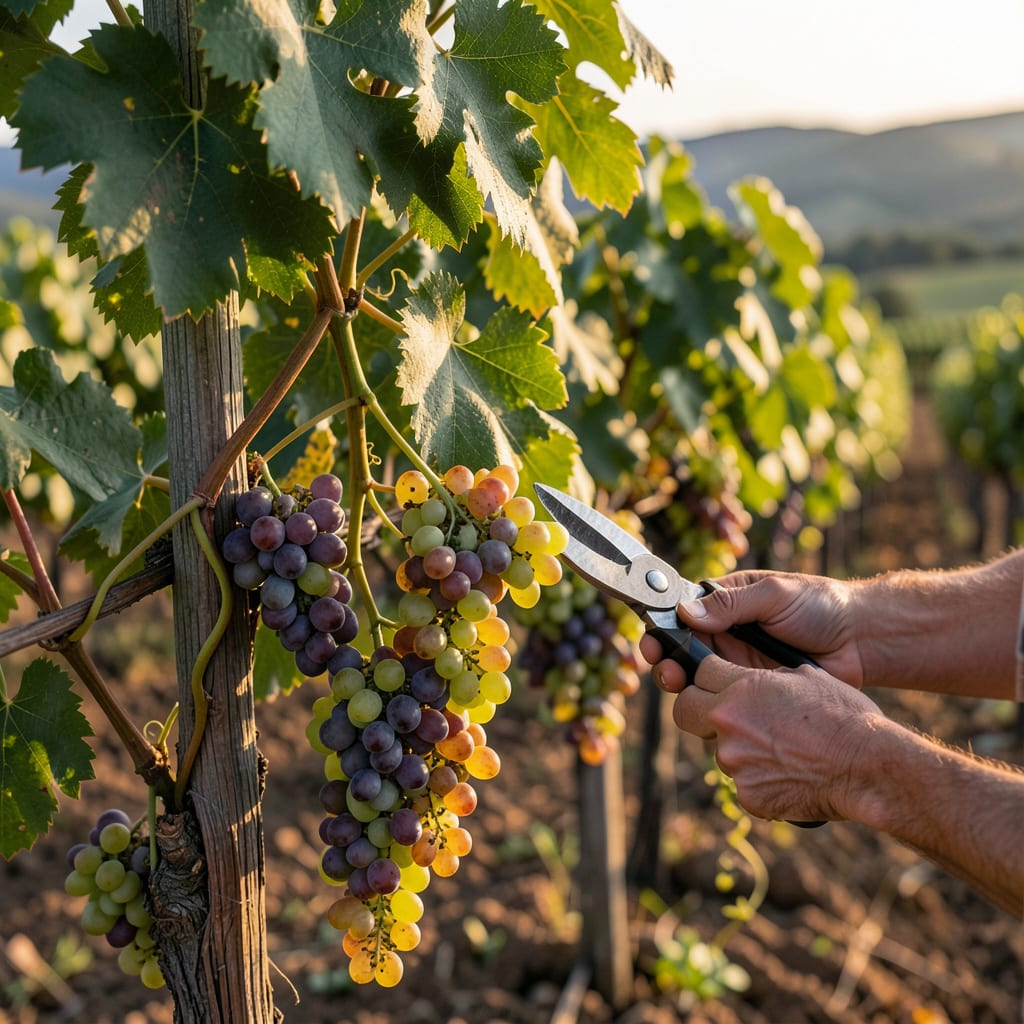
I remember the first time I picked 🍇 Grape too early – that tart bite was a lesson I won’t forget. Timing is everything when it comes to harvesting these fruits.
From August – October, your vines will give you clear signals. I’ll show you exactly what to look for so you never miss that perfect moment of ripeness again.


I’ve learned that grape ripeness isn’t just about color. While purple grapes turning deep violet is a good sign, some varieties stay green when ripe. The real test comes from multiple indicators working together.
Your harvest window typically falls between 90-150 days after blooming, usually from August to October. But I always check the berries themselves rather than just the calendar.
| Sign | What to Look For |
|---|---|
| Color | Full variety-specific hue |
| Texture | Plump but firm skin |
| Taste | Sweet with balanced acidity |
| Stem | Berries detach easily |
| Bloom | White powdery coating |
The color change is often the first sign I notice. For red grapes, look for a deep crimson, while white grapes develop a translucent, golden hue. But color alone isn’t enough – I always combine this with other tests.
I pay special attention to the stem attachment. When grapes are ready, they’ll separate easily from the cluster with just a gentle tug. If they resist, I know to wait a few more days and check again.
The taste test is my favorite method. I sample a few berries from different clusters, as ripeness can vary even on the same vine. A perfectly ripe grape will be sweet with just a hint of tartness at the finish.
Don’t overlook the bloom – that white, powdery coating on the skin. This natural wax develops as grapes mature and is a great visual indicator. I find it’s most noticeable on dark-skinned varieties.☀️
For seed color, I check a cut grape. When seeds turn from green to brown or black, it’s another confirmation of ripeness. This works particularly well for wine grapes and some table varieties.
I also consider the weather conditions. A string of sunny days often speeds up ripening, while cool, cloudy weather might delay it. I adjust my checking schedule based on the forecast.
Remember that grape clusters don’t ripen uniformly. I always check multiple bunches and pick only the ready ones, leaving others to mature. This staggered approach gives me the best quality harvest.🌿
I always start with the visual test before tasting. A ripe grape will have full color and a slight white bloom on its skin. This natural wax is a great indicator of maturity.
For the actual taste test, I pick a few berries from different clusters. The flavor should be sweet with balanced acidity. If it’s still tart, I know to wait a few more days.
The sugar content test is more scientific. I use a refractometer to measure Brix levels. Most table grapes are ready at 18-22% Brix, while wine grapes often need higher levels.
I find the stem detachment test particularly reliable. When grapes are ripe, they’ll come off easily with just a gentle pull. If they resist, they need more time on the vine.
For seedless grapes, I look for translucent skin and a slightly softer texture. The berries should feel heavy for their size, indicating high juice content.
Remember that weather affects ripening. Hot, sunny days speed up the process, while cool, cloudy weather slows it down. I always adjust my testing schedule accordingly.☀️
I’ve seen many gardeners make the same harvesting errors with grapes. The most common is picking too early, when berries still taste tart or sour. This usually happens when we rely solely on color rather than multiple ripeness indicators.
Another frequent mistake is ignoring the weather forecast. Picking grapes right after a rain can lead to diluted flavors and potential splitting. I always wait for dry conditions to ensure the best quality harvest.
Picking underripe grapes or harvesting in wet conditions can ruin your crop’s flavor and storage potential.
I’ve also learned that improper handling after picking can damage grapes. Never squeeze the berries or stack clusters too high, as this can cause bruising and spoilage. I use shallow containers to keep them in good condition.
Some gardeners make the mistake of harvesting all clusters at once. Since grapes don’t ripen uniformly, I always check each bunch individually. This way, I only pick what’s ready and leave the rest to mature fully.
The time of day matters too. I avoid picking grapes in the heat of midday, as the berries can be too warm. Early morning is ideal when temperatures are cooler and the fruit is at its freshest.🌿
Look for full variety-specific hues: deep purple for reds, translucent golden for whites. But color alone isn’t enough—always combine with other tests.
Sample a few berries from different clusters. Ripe grapes should taste sweet with balanced acidity, not tart. This simple test is often the most reliable.
No! Clusters ripen unevenly. Check each bunch individually and harvest only the ready ones. This ensures peak flavor and texture.
If berries don’t separate easily, they need more time. Forced picking can damage the vine and ruin flavor. Wait 2-3 days and retest.
