
Beautiful Plants For Your Interior
Beautiful Plants For Your Interior
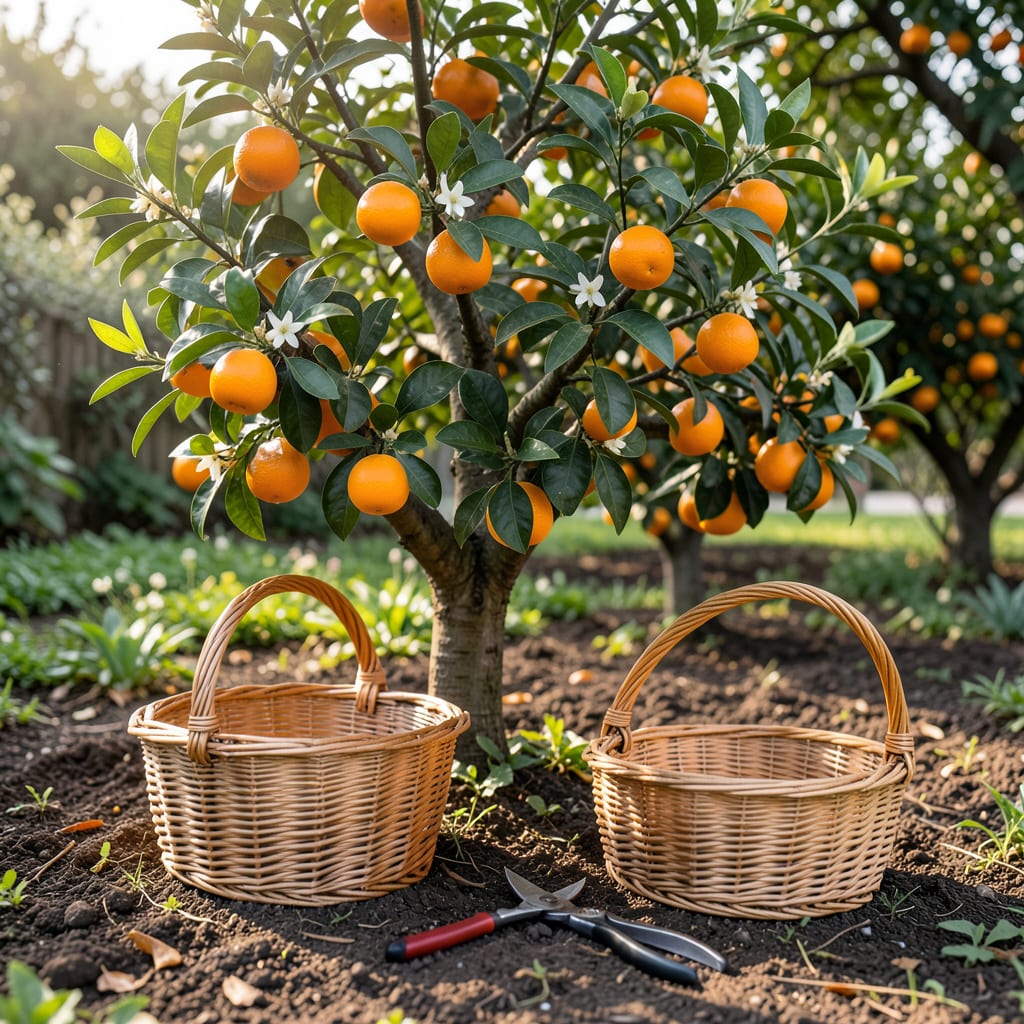
Florida’s warm climate and rich soil make it America’s leading Orange 🍊 producer, but timing your harvest is the key to perfect flavor. Picking too early or late can ruin your crop’s taste and quality.
Whether you’re a commercial grower or a backyard enthusiast, understanding when to harvest ensures you get the sweetest, juiciest fruit. Let me show you how to pinpoint that ideal moment.
Florida’s orange harvest season runs from October to June, with each variety having its own peak window. Early-season Navel oranges typically ripen first, while Valencias are late bloomers. Climate and region also tweak these timelines slightly. 🌿
I’ve found that Central Florida often sees earlier harvests than southern areas due to slightly cooler nights. This variation means growers need to monitor fruit maturity closely, not just the calendar. The right timing ensures peak sweetness and juice content. 🌳
| Variety | Harvest Window | Key Notes |
|---|---|---|
| Navel | October – January | Early season, seedless, sweet |
| Valencia | March – June | Late season, juicy, thin skin |
| Hamlin | November – February | Cold-hardy, high yield |
| Pineapple | December – March | Rich flavor, medium size |
For Navel oranges, I start checking for ripeness in late October. These are perfect for fresh eating due to their sweet, seedless flesh. They’re also more cold-sensitive, so earlier harvests in cooler areas are common. ✂️
Valencia oranges are the late-season stars, often hanging on trees until June. Their ability to stay on the tree longer makes them ideal for commercial growers who need extended harvest windows. They’re also great for juicing.
In Southern Florida, the warm climate can push harvest times slightly later. Growers here often see Valencias and other varieties ripening a few weeks behind Central Florida. This is due to the lack of cooler nights that help trigger ripening.
Hamlin oranges are a favorite for their cold tolerance and consistent yields. They’re often harvested from November to February, making them a staple for early to mid-season production in Florida.
The Pineapple orange is another unique variety with a rich, complex flavor. It typically ripens from December to March. Its medium size and juicy flesh make it a favorite for fresh consumption.
I always remind growers that harvest timing isn’t just about the variety. Factors like tree age, soil health, and even watering practices can influence when your oranges are ready. Regular Brix level testing can help pinpoint the perfect moment. 🌱
For the best results, I recommend taste-testing a few fruits from different parts of the tree. If they’re sweet and juicy, it’s time to start harvesting. This hands-on approach ensures you’re not relying solely on general timelines.
Florida’s diverse microclimates create fascinating harvest variations. In Central Florida, cooler nights often speed up ripening, while Southern Florida’s warmth can delay it by weeks. This means your harvest window isn’t set in stone. 🌿
I’ve noticed that freeze risks in northern areas may force earlier picking, while southern growers enjoy more flexibility. Even rainfall patterns play a role, with droughts sometimes concentrating sugars faster. 🌳
Regional Harvest Differences
| Region | Harvest Shift | Key Factor |
|---|---|---|
| Central Florida | Earlier by 2-3 weeks | Cooler nights |
| Southern Florida | Later by 2-4 weeks | Warmer climate |
| Northern Florida | Earliest harvests | Freeze concerns |
In Northern Florida, growers must watch for early frosts that can damage fruit. This often means harvesting Navel oranges as early as October to beat the cold. The trade-off is slightly less sweet fruit. ✂️
Southern Florida’s tropical conditions allow Valencia oranges to stay on trees until June. The longer hang time boosts sugar content, making them ideal for premium juice production.
I always tell growers to monitor weather forecasts closely. A surprise cold snap can mean the difference between a full harvest and significant losses. Protective measures like frost cloths can buy precious time.
Another factor is soil moisture. Excessive rain before harvest can dilute sugars, while dry spells may concentrate flavors. I’ve seen Brix levels vary by 2-3 points based on recent weather patterns. 🌱
Knowing when your Florida oranges are ripe isn’t just about the calendar. I look for visual cues like full orange color and a slight softness when gently squeezed. These signs tell me the fruit is at its peak sweetness and ready for harvest. 🌿
The sweet citrus aroma is another dead giveaway. When I walk through my grove and catch that strong fragrant scent, I know it’s time to start checking the fruit more closely. This smell becomes more pronounced as the sugar content rises. 🌳
✅ Top 4 Ripeness Indicators
I always check for easy detachment from the tree. A ripe orange should come off with minimal effort. If it’s clinging tightly, it’s not ready yet. This simple test saves me from picking underripe fruit that won’t taste good. ✂️
For the most accurate results, I use a Brix refractometer to measure sugar levels. 12-15% Brix is ideal for most Florida oranges. This tool takes the guesswork out of determining ripeness, especially for commercial growers.
Remember that tree location affects ripening. Oranges on the sunny side of the tree often mature faster. I make it a habit to check fruit from all sides of the tree to ensure even harvesting.
Florida’s orange harvest spans from October to June, with peak production typically occurring between December and April. This extended window allows for multiple varieties to ripen at different times throughout the season.
Central Florida often sees earlier harvests due to cooler nights that speed ripening. Southern Florida’s warmer climate delays ripening by 2-4 weeks, giving fruit more time to develop sugars on the tree.
No. Green patches indicate the fruit isn’t fully ripe. Oranges should have uniform orange color and yield slightly to gentle pressure. Picking too early results in tart, underdeveloped flavor.
Use multiple indicators: full color, sweet aroma, and easy detachment from the tree. For precision, test sugar levels with a Brix refractometer—12-15% is ideal.
