
Beautiful Plants For Your Interior
Beautiful Plants For Your Interior
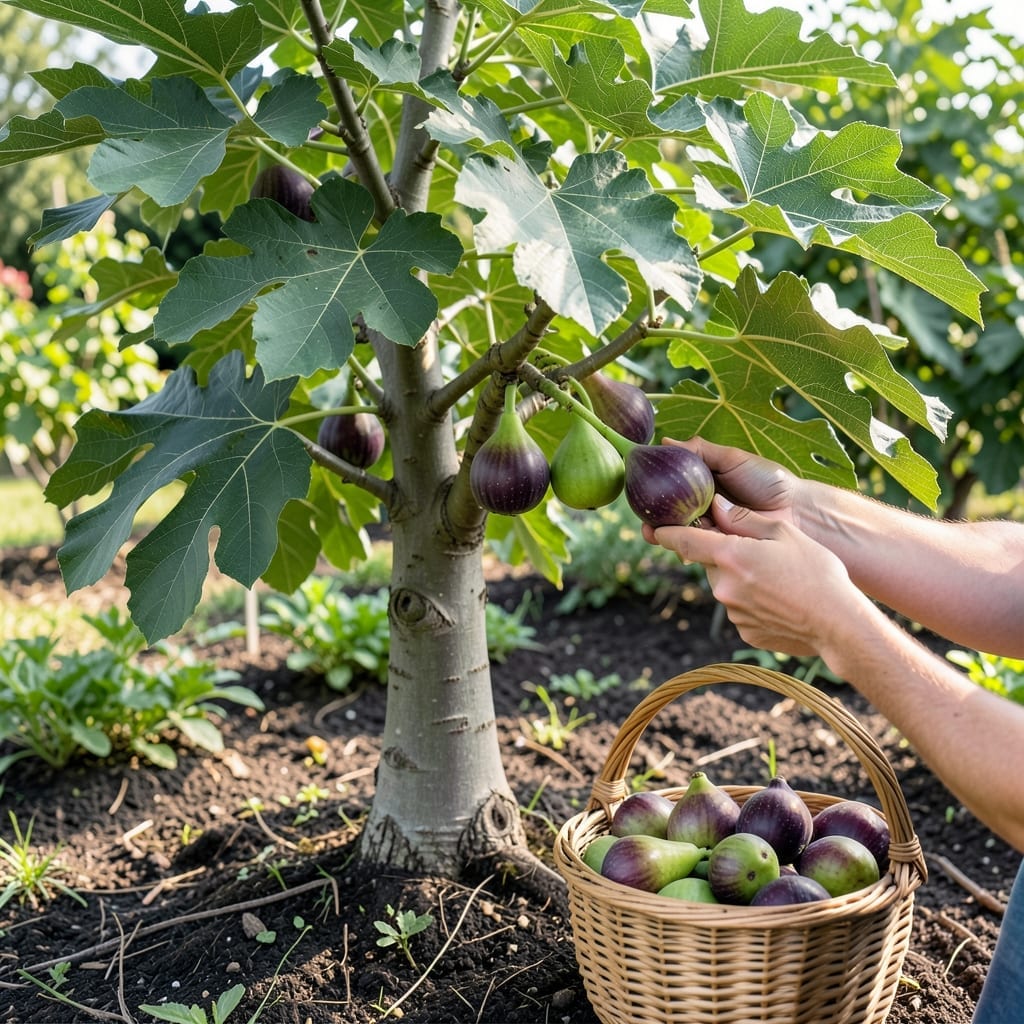
Nothing beats the sweet, jam-like flavor of a perfectly ripe Fig plucked straight from your garden. But picking them too soon can leave you with a bland, inedible fruit.
Knowing exactly when they’re ready ensures you enjoy them at their peak. The July – October harvest window is your first clue, but the real magic is in the details.
I’ll share the most important visual and tactile cues to look for, from color changes to that telltale droop on the stem. These signs never lie.
Discover how to spot the perfect moment to harvest your Fig crop and savor that homegrown taste you’ve been waiting for all season.

I’ve learned that timing is everything when harvesting figs from your garden. The difference between a perfectly ripe fig and an underripe one is night and day in flavor and texture. 🌿
When figs are ready to eat, they’ll show clear visual and tactile cues that vary slightly by variety. For most gardeners, the color change is the first indicator to watch for. 🌳
| Variety | Ripeness Signs |
| Black Mission | Deep purple-black color, soft to touch, sweet scent |
| Brown Turkey | Brownish-purple skin, slight neck droop, small cracks |
| Celeste | Light violet-brown, wrinkled skin, easy stem separation |
| Kadota | Greenish-yellow when ripe, very soft, amber flesh |
The neck bend test is my go-to method. When the fruit droops slightly on its stem, it’s usually ready. This happens because the sugars inside become heavier as they develop. ✂️
Another key sign is texture change. Ripe figs should feel slightly soft when gently squeezed, similar to a ripe avocado. Avoid figs that are still hard or mushy.
I always check the stem attachment. A ripe fig will easily separate from the branch with a gentle pull. If it resists, it’s not ready yet. This prevents damaging the fruit or plant.
The skin appearance also changes. Many varieties develop small cracks or wrinkles near the stem when fully ripe. Don’t be alarmed—this is a good sign for figs like Celeste.
For the scent test, bring your nose close to the fruit. Ripe figs emit a sweet, honey-like aroma that’s impossible to miss. This is especially true for Black Mission figs.
Remember that color alone isn’t always reliable. Some figs stay green even when ripe, while others darken significantly. Always combine color with other cues for accuracy.
In my experience, the best time to check is in the early morning when temperatures are cooler. This is when figs show their true ripeness signs most clearly.
I’ve seen many gardeners rush to harvest figs too early, only to be disappointed by their lack of sweetness. Picking before the fruit softens is a common mistake that ruins the experience.
Another error is ignoring the neck bend test. If the stem doesn’t droop slightly, the fig isn’t ready, no matter how dark its skin appears.
⚠️ Avoid These Pitfalls
Harvesting too early, misjudging color changes, or overlooking the scent test can leave you with bland, unripe figs. Always check for softness and a sweet aroma first.
Some gardeners also overlook the weather impact. A cold snap can delay ripening, while excessive rain may split the fruit before it’s ready.
Misjudging variety-specific cues is another issue. Black Mission figs turn deep purple, while Brown Turkey figs develop a brownish hue. Know your variety’s ripeness signs.
Lastly, don’t rely solely on size. A large fig isn’t necessarily ripe. Always combine visual cues with the touch and scent tests for best results.
By avoiding these common mistakes, you’ll ensure every fig you pick is at its peak ripeness and flavor. ✂️