
Beautiful Plants For Your Interior
Beautiful Plants For Your Interior
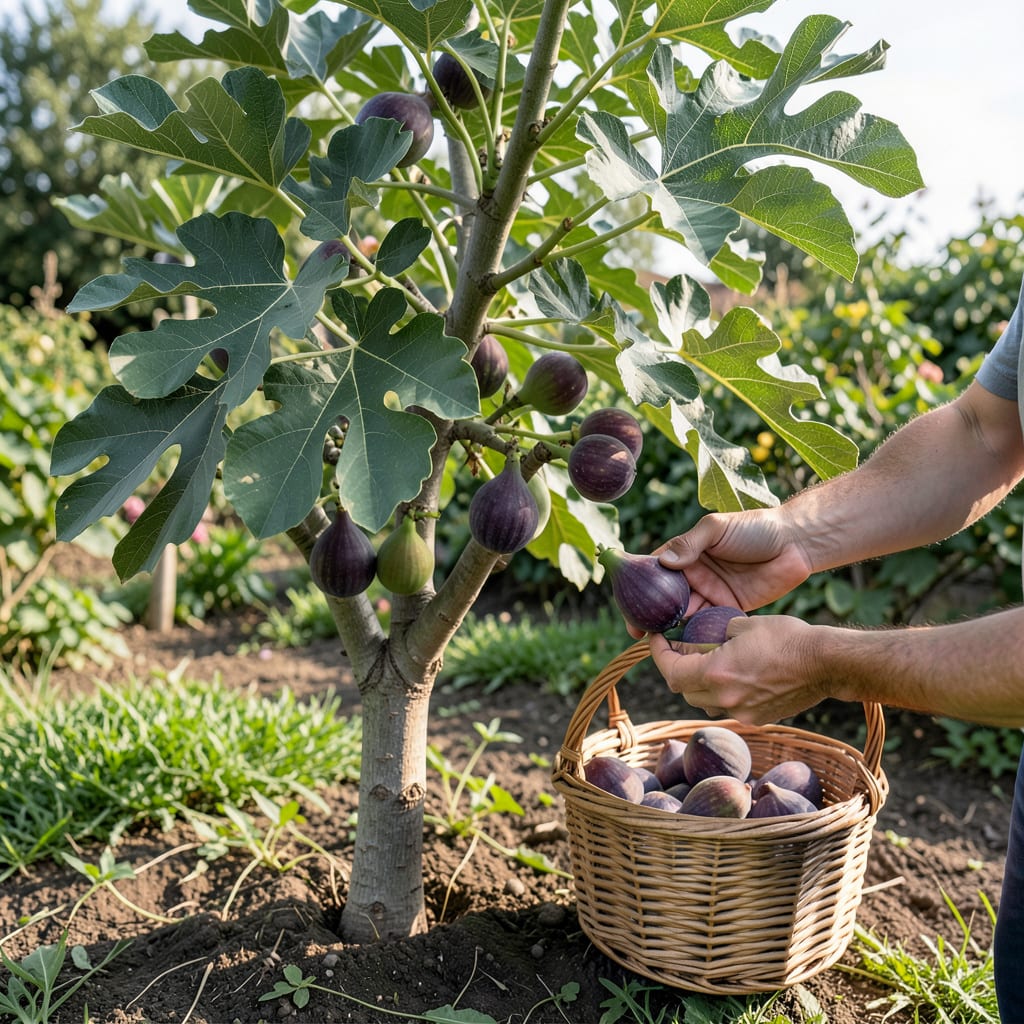
Nothing beats the taste of a perfectly ripe Fig 🍇, but timing is everything. Picking too soon means bland fruit, while waiting too long risks spoilage.
I’ll show you the key signs—from color changes to neck softening—that guarantee your harvest is at peak sweetness. Let’s make sure you never miss that perfect moment again.


The secret to harvesting perfect figs lies in recognizing the subtle physical changes that signal ripeness. I always look for the neck softening first—this is when the stem end begins to bend and feel slightly pliable.
Another clear indicator is the color transformation. Depending on the variety, figs will shift to deep purple, brown, or green hues when they’re ready. For example, Black Mission figs turn nearly black, while Brown Turkey figs develop a rich, reddish-brown tone.
| Variety | Ripe Color | Key Sign |
|---|---|---|
| Black Mission | Deep purple-black | Neck softens, slight droop |
| Brown Turkey | Reddish-brown | Neck bends, skin wrinkles |
| Celeste | Violet-blue | Sweet aroma, soft touch |
| Kadota | Golden green | Neck cracks, yields to pressure |
The drooping posture is another giveaway. When figs hang slightly downward on the stem, it’s a strong sign they’re ripe. I also check for easy separation—a ripe fig should come off the tree with just a gentle pull.
For texture clues, give the fruit a light squeeze. A ripe fig will feel slightly soft, but not mushy. If it’s still hard, it needs more time. Overripe figs, on the other hand, may feel too squishy or even split open.
Don’t overlook the aroma test. Ripe figs emit a sweet, inviting scent near the stem. If you don’t smell anything, the fruit likely isn’t ready yet. This is especially true for varieties like Celeste and Conadria.
Timing varies by region, but most figs ripen in late summer to early fall. In warmer zones like USDA 8-10, you might get a second crop in late fall, while cooler areas may only see one harvest.
I’ve found that morning harvesting works best. The fruit is cooler and firmer, which helps prevent bruising. Plus, the sugar content is often higher after a cool night, giving you the sweetest flavor possible.
If you’re growing dwarf fig trees in containers, watch them closely. Potted figs can ripen faster due to root restriction and may need more frequent checking. The same signs apply, but the timeline might be slightly shorter.
Finally, remember that birds and squirrels love ripe figs as much as we do! If you notice wildlife eyeing your crop, it’s a good sign your figs are nearly ready. Consider using netting to protect your harvest until you’re ready to pick. 🌳
Even experienced gardeners can ruin a fig harvest by making simple mistakes. One of the most common is picking too early—hard figs won’t ripen off the tree, so patience is key. 🌳
Another frequent error is waiting too long. Overripe figs become mushy, split open, or attract pests like fruit flies and birds. Timing is everything with these delicate fruits.
⚠️ Avoid These Harvesting Pitfalls
Picking figs when wet from rain can cause bruising and spoilage. Always harvest during dry conditions for best results.
Handling figs roughly is another mistake. Their thin skin bruises easily, so use gentle pressure when testing ripeness and place harvested fruit in shallow containers to prevent crushing.
Many gardeners also overlook the stem check. If the fig doesn’t separate easily with a slight twist, it’s not ready. Forcing it off can damage both the fruit and the tree.
Weather plays a big role too. Heat waves can speed up ripening, while cool spells slow it down. Check your figs daily as the season progresses to catch them at the perfect moment.
Finally, don’t forget about variety differences. Some figs, like Black Mission, ripen faster than others, such as Kadota. Know your tree’s specific timeline to avoid disappointment. ✂️
Timing your harvest can make a big difference in flavor and quality. I always recommend picking figs in the early morning when temperatures are cooler and the fruit is firmer.
This helps prevent bruising and ensures the figs retain their natural sweetness. The cool overnight temperatures help concentrate the sugars, giving you the best possible taste.
🌿 Optimal Harvesting Times
The gentle squeeze test is my go-to method. A ripe fig should give slightly under light pressure, but not feel mushy. If it’s still hard, leave it for another day or two.
For storage, place freshly picked figs in a single layer in a shallow container. They’ll keep in the fridge for 2-3 days, but are best enjoyed fresh from the tree.
Remember that humidity matters too. If you’re in a dry climate, your figs might ripen faster than in more humid areas. Always adjust your timing based on local conditions. ☀️
Look for a color change to deep purple, brown, or green depending on the variety. The neck should bend slightly, and the fruit may droop on the stem. These visual cues are the most reliable indicators.
Figs won’t ripen off the tree. Picking too soon results in hard, bland fruit that never develops its sweet flavor. Always wait for the neck to soften and the color to deepen.
A ripe fig will separate easily with a gentle twist and pull. If it resists, it’s not ready. Forcing it can damage both the fruit and the tree.
Yes, but they’re best fresh. Store in a single layer in the fridge for 2-3 days. Avoid stacking, as they bruise easily. Enjoy them quickly for the best flavor.
