
Beautiful Plants For Your Interior
Beautiful Plants For Your Interior
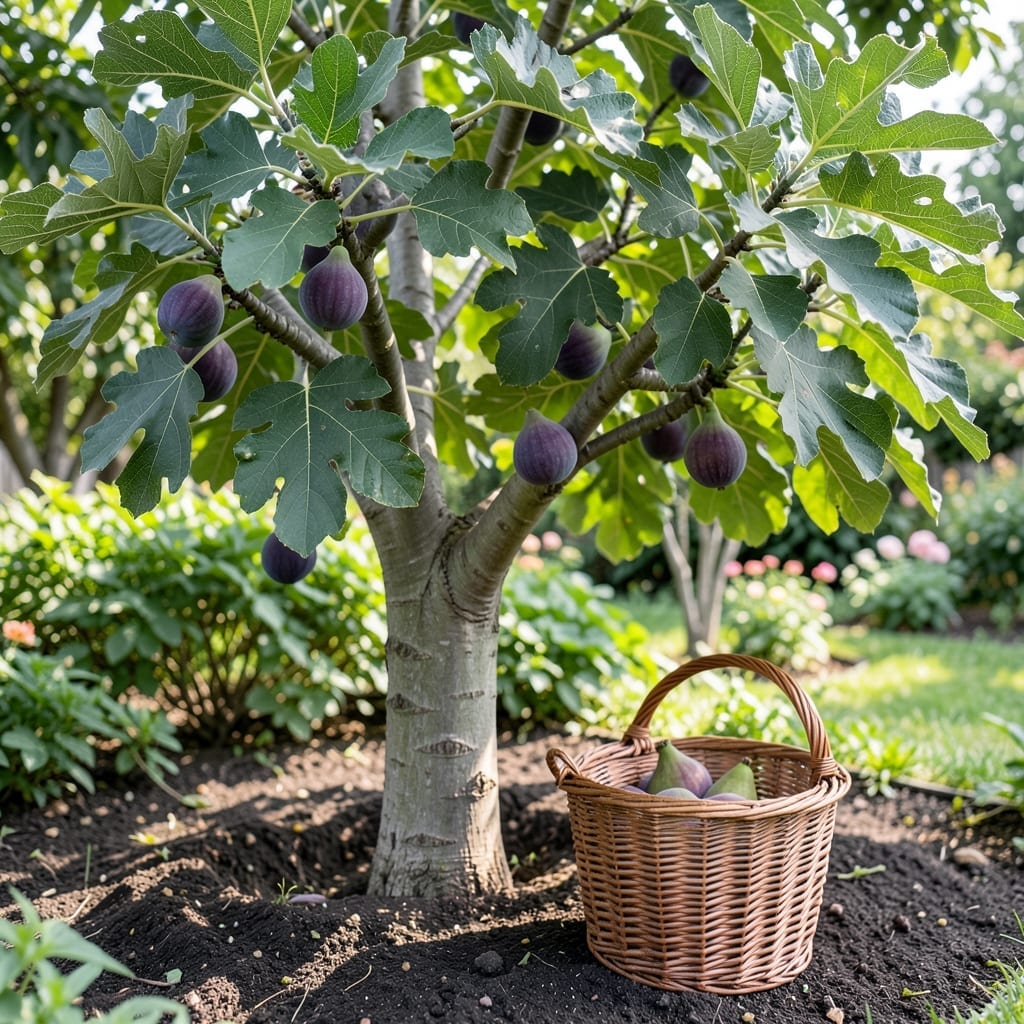
Nothing beats the sweet, honey-like flavor of a perfectly ripe Fig—if you know when to pick them. Timing your harvest right ensures the best taste and texture, but Fig season varies wildly by variety and climate.
In most regions, you can expect to harvest these delicious fruits from June through September. The exact window depends on your local weather and the specific type of Fig you’re growing.
Discover how to pinpoint the ideal moment for your tree and enjoy the freshest fruit all season long. Let me show you how to make the most of your harvest.
If you’re growing fig trees, knowing their harvest window is key to enjoying the sweetest fruit. The timing varies significantly depending on the variety and your growing zone. Some trees even produce two crops in a single year.
In most parts of the U.S., the primary fig season runs from June through September. However, warmer regions like California and the Deep South often see an earlier start, sometimes as early as May, while cooler climates may have a shorter window ending in August.
| Variety | Harvest Season | Regions | Notes |
|---|---|---|---|
| Black Mission | June – August | Zones 7-10 | Popular in California, rich flavor |
| Brown Turkey | July – September | Zones 5-9 | Cold-hardy, great for Midwest |
| Celeste | June – July | Zones 6-9 | Early producer, sweet honey flavor |
| Chicago Hardy | August – September | Zones 5-10 | Survives cold winters, late harvest |
| Kadota | July – August | Zones 6-9 | Green skin, amber flesh, mild taste |
Everbearing varieties like Brown Turkey and Celeste can produce a second crop called the breba crop in late spring. These early figs develop on last year’s wood and ripen before the main crop on new growth.
In cooler climates such as the Pacific Northwest, figs may only ripen in the warmest months of July and August. Gardeners here often grow container figs to control the environment and extend the season.
For Southern states, the season can start as early as May and last through October. Varieties like Black Mission thrive in these warmer zones, producing abundant fruit with intense sweetness.
If you’re in Zone 5 or 6, consider cold-hardy types like Chicago Hardy. These can survive temperatures down to 10°F and still produce a reliable late summer harvest.
I always recommend checking your local frost dates and microclimate. Even within the same zone, a sunny south-facing wall can create a warmer pocket for earlier ripening.
Remember that young fig trees may take 2-3 years to bear fruit. Once established, they can produce for decades with proper care.
To maximize your harvest window, try planting multiple varieties with different ripening times. This way, you can enjoy fresh figs from early summer through fall. ☀️
Knowing the perfect harvest time for figs ensures the best flavor and texture. I look for several visual and tactile cues that signal ripeness, as picking too early or late can ruin the experience.
The most reliable sign is a color change—most varieties turn from green to deep purple, brown, or black. But color alone isn’t enough; I always check the neck of the fig for a slight bend.
A ripe fig will feel slightly soft to the touch, similar to a ripe avocado. If it’s still hard, leave it on the tree for a few more days. Overripe figs become mushy and may split open.
I also check for a sweet scent near the stem. Ripe figs exude a subtle, honey-like fragrance that’s hard to miss once you know it. This is often the final confirmation I need before harvesting.
Avoid picking figs when they’re still green or have no aroma. These are clear signs they’re not ready. Also, don’t wait too long—figs won’t continue ripening once picked, unlike some other fruits.
For the best results, I harvest in the early morning when temperatures are cooler. This helps preserve the fruit’s freshness and flavor. Always use clean pruning shears or your hands to gently twist the fruit from the branch.
With practice, you’ll develop an eye for the perfect picking moment. Trust your senses, and don’t be afraid to sample a few to confirm ripeness. ✂️