
Beautiful Plants For Your Interior
Beautiful Plants For Your Interior
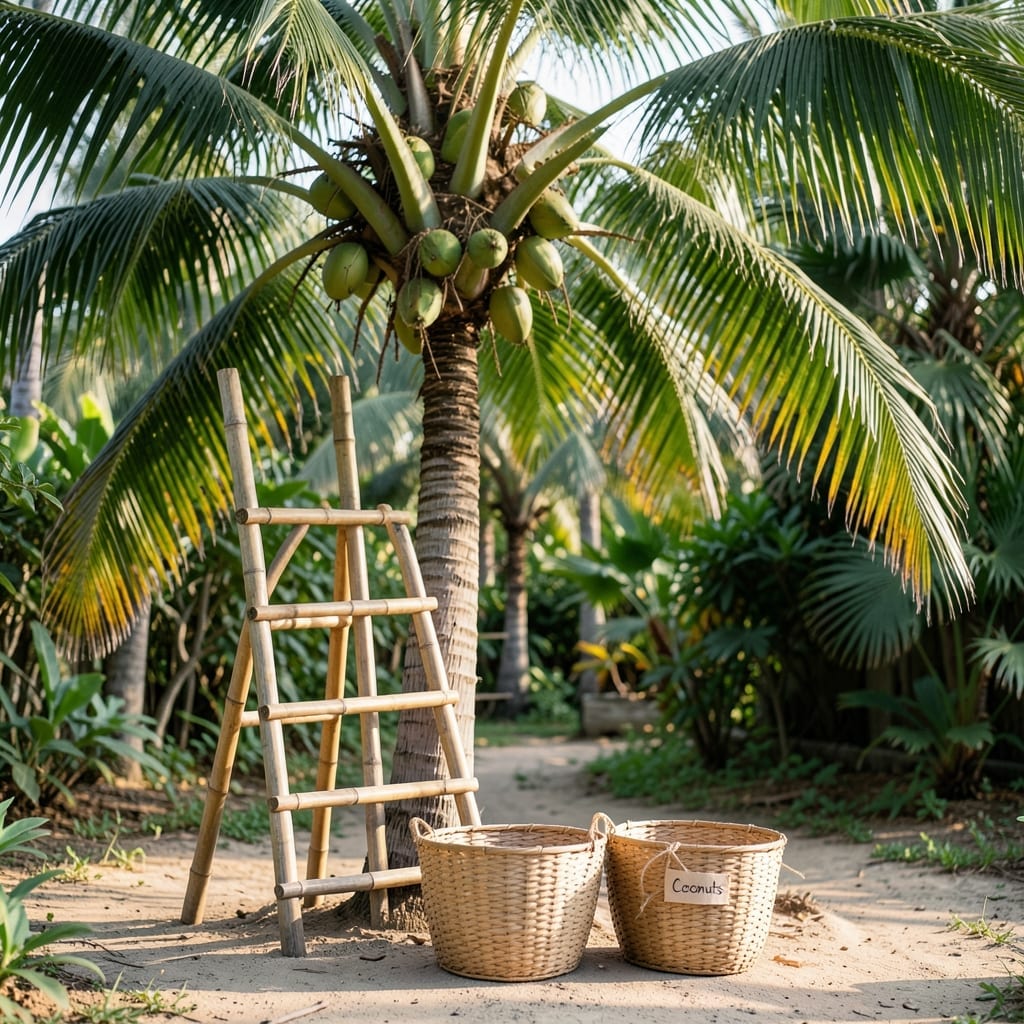
Unlike most fruits, coconuts don’t follow a single seasonal cycle. The 🥥 Coconut thrives in zones 10-12, where warm climates allow for continuous growth and harvesting.
This means you can enjoy fresh coconuts almost any time of year. Whether you’re planning a tropical getaway or considering growing your own, understanding this unique pattern is key.
I’ll walk you through how climate and geography play a role, and what this means for your coconut supply. Let’s discover the details together.
Coconuts thrive in tropical climates where seasons blur into continuous growth. Unlike temperate fruits, they don’t follow a strict annual cycle. This means year-round harvesting is possible in ideal conditions.
Regional differences play a huge role. In Southeast Asia, peak harvests often align with dry seasons, while the Caribbean sees steady production thanks to consistent warmth and humidity.
In Hawaii, the stable tropical climate allows for continuous production with no true off-season. Trees flower and fruit asynchronously, ensuring a steady supply.
South America experiences a different pattern. The rainy season from December to May triggers growth spurts, leading to abundant harvests during these months.
For home gardeners in USDA Zones 10-12, mimicking these conditions is key. Ensure well-draining soil and consistent moisture to encourage year-round fruiting.
I’ve found that dwarf coconut varieties are more forgiving for beginners. They mature faster and produce fruits in 3-5 years compared to standard trees.
Remember, even in ideal climates, tree age affects productivity. A mature coconut palm can yield 50-200 nuts annually, but young trees need time to establish.
If you’re planning to grow coconuts, start with a healthy nursery sapling. These adapt better than seeds and give you a 5-year head start on fruiting.
Finally, monitor your trees for pests like rhinoceros beetles. These can devastate young palms, so regular inspections and organic treatments are essential for a thriving harvest. 🌴
Knowing when to pick a coconut ensures the best flavor and quality. Unlike many fruits, coconuts don’t ripen further after harvest, so timing is crucial. I look for visual and auditory cues to determine ripeness.
The most reliable sign is the husk color. A mature coconut typically turns from green to brown as it ripens. However, some varieties may stay green or yellow, so color alone isn’t always definitive.
Another key indicator is the sound when you shake it. A ripe coconut will have a sloshing sound from the water inside. If it sounds solid, it’s likely not ready yet.
The weight of the coconut can also provide clues. A heavier coconut usually means it’s full of water and meat. However, be careful not to confuse weight with size, as larger coconuts aren’t always riper.
I also check the husk condition. A dry, fibrous husk is a good sign. If the husk is still soft or moist, the coconut may need more time on the tree.
For gardeners in USDA Zones 10-12, regular checks are essential. Coconuts can take 12-14 months to mature, so patience and observation are key to a successful harvest. 🌴