
Beautiful Plants For Your Interior
Beautiful Plants For Your Interior
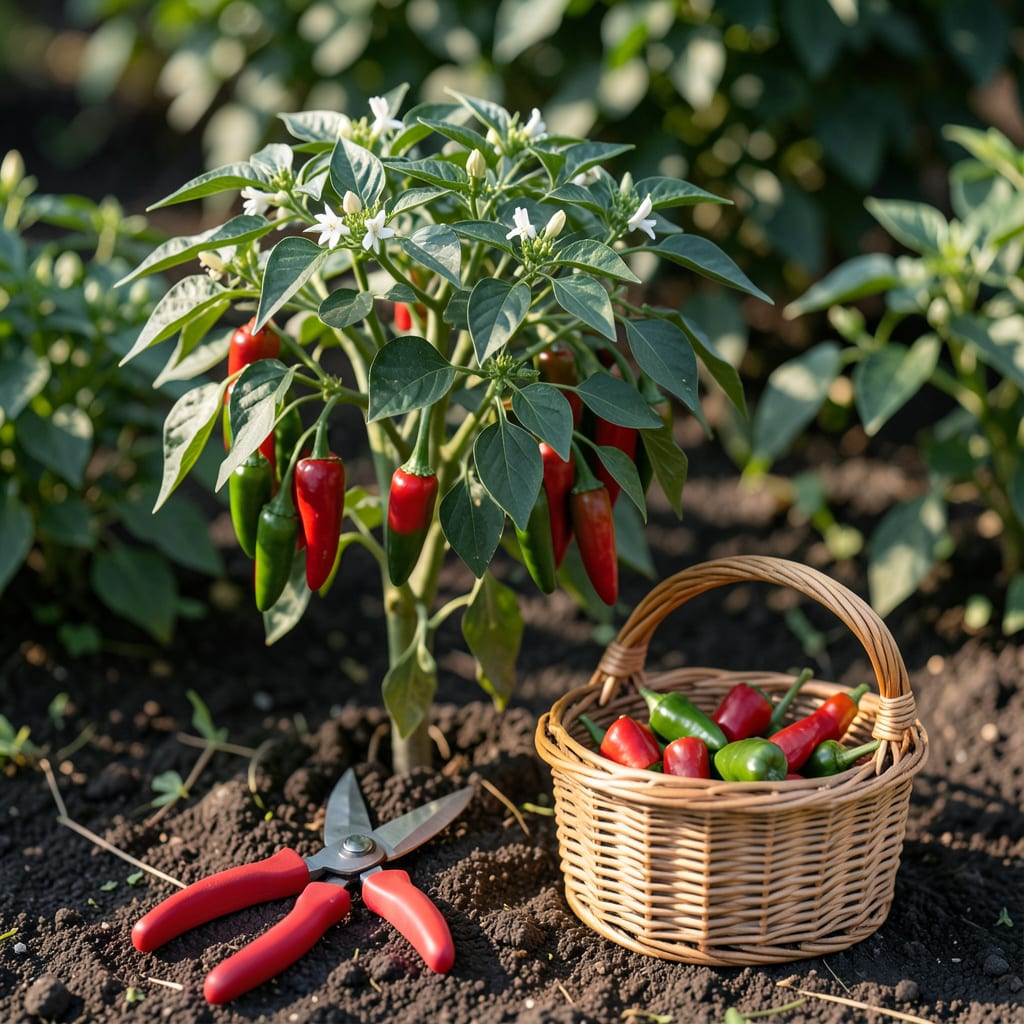
Ever wonder when your 🌶️ Chili Pepper is at its peak? Picking at the right moment makes all the difference in flavor and heat.
I’ll show you the key signs to look for—from color changes to texture—so you can harvest with confidence. Let’s make sure your next batch is the best yet.


I always watch for color changes first—most chili peppers start green and transition to red, yellow, or orange when ripe. This shift is your first clue that they’re approaching peak flavor and heat.
Next, I check the texture and size. A ripe pepper feels firm and plump, not soft or wrinkled. It should also reach its expected size for the variety, whether it’s a tiny Thai chili or a chunky bell pepper.☀️
| Variety | Ripe Color | Texture | Size |
|---|---|---|---|
| Jalapeño | Red or green | Firm, smooth | 2-3 inches |
| Habanero | Orange, red, or yellow | Glossy, taut | 1-2.5 inches |
| Bell Pepper | Red, yellow, or green | Thick, crisp | 3-4 inches |
| Cayenne | Red | Slim, firm | 2-5 inches |
Another sign I never ignore is the glossy sheen on the skin. A ripe chili pepper often develops a shiny, almost waxy appearance, while unripe ones look dull. This is especially true for varieties like serranos and cherry peppers.
The stem can also give away ripeness. When it starts to dry out or turn brown, that’s a good indicator the pepper is ready. However, don’t rely on this alone—combine it with the other signs for accuracy.
For heat lovers, I’ve noticed that peppers left on the plant longer tend to develop more capsaicin, which means more heat. If you prefer milder flavors, harvest a bit earlier when the color is just starting to change.
Don’t forget to check the plant’s overall health. If the leaves are yellowing or the pepper looks wrinkled, it might be overripe or stressed. In that case, I harvest immediately to prevent spoilage.
I also pay attention to the harvest window. Most chili peppers reach maturity in 60-120 days, depending on the variety. If you planted in spring, expect to start picking by mid-summer.
If you’re growing multiple varieties, keep a gardening journal to track their progress. Note the planting date and first signs of color change to predict future harvests more accurately.
Finally, trust your instincts. If a pepper looks and feels right but you’re still unsure, pick one and taste-test it. This hands-on approach helps me fine-tune my harvesting skills every season.🌿
When color and texture leave me unsure, I use the gentle squeeze test. A ripe chili pepper should feel firm but slightly yielding, like a ripe tomato. If it’s rock-hard, it needs more time.
Another method I rely on is the stem check. If the stem snaps easily when bent, the pepper is likely ready. But if it bends without breaking, I wait a few more days to be safe.
Ripeness Tests Beyond Look and Feel:
The sound test works surprisingly well. I tap the pepper with my knuckle—if it sounds hollow, it’s usually ripe. This works especially well with thicker-walled varieties like bell peppers.
For absolute certainty, I’ll taste-test one pepper from the plant. This helps me gauge both flavor development and heat level. Just be cautious with super-hot varieties like ghost peppers!🌱
The separation test is my go-to for a quick check. If the pepper comes off the plant with a gentle twist and minimal resistance, it’s ready. If it clings tightly, I leave it be for now.
I also examine the seeds inside. Immature peppers have flat, white seeds, while ripe ones develop plump, tan or cream-colored seeds. This is a surefire sign of full maturity.
Remember, these tests work best when combined. I never rely on just one method—using multiple checks ensures I pick at the perfect time every time.☀️
I’ve seen many gardeners harvest too early just because the pepper has turned its expected color. But color alone doesn’t guarantee ripeness—texture and size must also match the variety’s standards.
Another common blunder is ignoring weather conditions. Picking peppers when they’re wet from rain or dew can lead to rot or mold. I always wait for a dry, sunny day to ensure the best post-harvest quality.
⚠️ Avoid These Harvesting Errors:
Picking with dull tools can damage the plant and reduce future yields. Always use sharp pruners or scissors to make clean cuts without tearing the stems.
Some gardeners make the mistake of pulling peppers off instead of cutting them. This can harm the plant and lead to premature fruit drop. I always use clean, sharp shears to snip the stem just above the pepper.
Timing matters too—harvesting in extreme heat can cause peppers to wilt or spoil faster. I prefer to pick in the early morning when temperatures are cooler and the peppers are at their crispest.
Finally, don’t overlook overripe peppers. If they start to wrinkle or soften, they’ve passed their prime. I check my plants every 2-3 days during peak season to catch them at the perfect stage.🌿
Most start green and turn red, yellow, or orange when ready. Jalapeños can be picked green or red, while habaneros often ripen to bright orange. Always check your variety’s expected mature color.
Look for wrinkled skin, soft texture, or a dull appearance. Overripe peppers may also start to rot or drop from the plant. Harvest immediately if you notice these signs.
Yes! The longer they stay on the plant, the more capsaicin they develop, increasing heat. For milder flavor, pick them earlier when color first starts to change.
Pick in the early morning when peppers are crispest. Avoid harvesting when wet from rain or dew to prevent mold. Always use sharp tools for clean cuts.
