
Beautiful Plants For Your Interior
Beautiful Plants For Your Interior
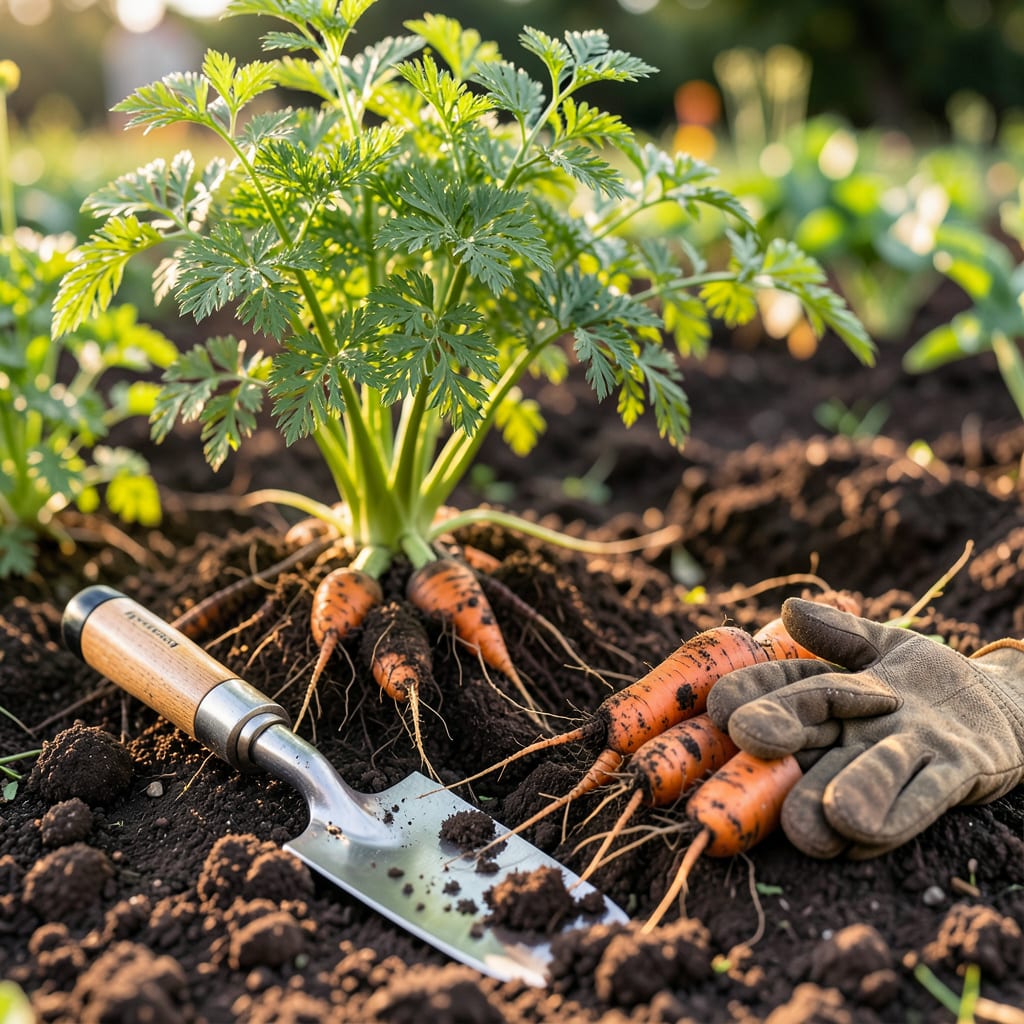
Nothing beats the satisfaction of pulling a perfect 🥕 Carrot from your garden, but timing is everything. Harvest too soon, and you’ll get thin, disappointing roots.
I’ll show you the subtle size and color clues that signal your Carrots are at their peak. With these tips, you’ll never second-guess your harvest again.


I always check for the shoulder diameter first—when the top of the carrot peeks above soil and reaches 0.75–1 inch wide, it’s a clear sign. This visible part often reveals the true maturity of the root below.
The color transformation is another giveaway. A bright orange hue or the variety’s specified color at the shoulder means the root is developing properly. Pale or white tops indicate it needs more time in the ground.
| Maturity Sign | What to Look For |
| Shoulder Diameter | 0.75–1 inch visible width |
| Root Color | Bright orange or variety-specific |
| Foliage Health | Vibrant green but starting to yellow |
| Days to Maturity | 60–85 days from planting |
For a closer look without uprooting, I gently brush away soil from the carrot’s top. This lets me inspect the upper root for size and color without disturbing growth. A firm texture confirms it’s ready.
The foliage offers clues too. While leaves should stay vibrant green during growth, a slight yellowing or weakening often signals the plant is diverting energy to the root, meaning harvest time is near.
I’ve found that early varieties like Nantes mature in about 60 days, while Danvers types need closer to 75 days. Always check your seed packet for the specific timeline of your variety.
Soil mounding can help. If carrots are planted in loose soil, I’ll carefully push back a little dirt from the row to expose the shoulders for inspection. This method prevents damage to the delicate roots.
Another trick is the finger test. I’ll gently press the soil near the carrot’s top to feel for the root’s firmness and size. If it feels thick and solid, it’s likely ready for pulling.
Remember that overmature carrots can become woody or split. If left too long, they might also develop bitter flavors or attract pests. Timing your harvest just right ensures the best texture and taste.
Finally, I always harvest on a dry day when the soil is workable. This makes pulling easier and reduces the risk of breaking the roots. A sunny morning is ideal for both the gardener and the carrots.
I’ve learned that carrot maturity varies significantly by type. Early varieties like Nantes are ready in about 60 days, while Danvers and Chantenay need closer to 75–85 days. Always check your seed packet for specifics.
Temperature and soil conditions also play a huge role. Cooler spring or fall weather tends to produce sweeter carrots, while hot summers can speed up growth but reduce flavor quality. Well-draining, loose soil prevents deformities and encourages steady development.
| Variety | Days to Maturity | Best For |
|---|---|---|
| Nantes | 60–65 days | Early harvests |
| Danvers | 70–75 days | Mid-season |
| Chantenay | 80–85 days | Late harvests |
Planting date matters too. If I sow seeds in early spring, I can expect a summer harvest. For a fall crop, I plant in mid-to-late summer, ensuring the carrots mature before the first frost. This timing helps avoid woody textures from heat stress.
Soil type affects growth speed. Sandy loam is ideal because it allows roots to expand easily. In heavier clay, I amend with compost or peat moss to improve drainage and prevent stunted growth, which can delay maturity.
I also watch the weather forecast. A stretch of cool, cloudy days might extend the growing period, while hot, dry spells can accelerate it. Adjusting my harvest timeline based on these conditions ensures I pick at the perfect moment.
Finally, I consider the carrot’s intended use. For fresh eating, I harvest when they’re young and tender. For storage, I leave them in the ground a bit longer to develop a thicker skin that resists spoilage.
Consistent moisture levels are key throughout the growing season. I aim for 1 inch of water per week to keep development steady and prevent cracking from uneven hydration.
I’ve seen many gardeners harvest too early, pulling up pencil-thin carrots that lack sweetness. These immature roots often snap easily when bent, a sure sign they need more time in the ground.
Another common error is leaving carrots too long. When left past their prime, roots become woody or bitter, and may even split. This happens most often in hot summer weather when growth accelerates uncontrollably.
I always remind gardeners to watch the foliage. When carrot tops start yellowing or weakening, it’s nature’s signal that the plant is redirecting energy to the root, meaning harvest time is near.
Inconsistent watering is another pitfall. Carrots need 1 inch of water weekly. Too much causes cracking, while too little leads to stunted growth and delayed maturity.
Finally, I avoid compacted soil at all costs. Carrots need loose, stone-free earth to grow straight and reach full size. Amending with compost before planting prevents these issues and ensures timely maturity. ☀️
Gently brush soil away from the top to expose the shoulder. A diameter of 0.75-1 inch and rich color mean it’s ready. Use the finger test to feel for firmness just below the surface.
Thin roots mean they were harvested too early. They also need more time if they snap easily when bent. Wait until they reach at least 0.5 inch in diameter for best flavor.
Cool spring or fall weather produces sweeter carrots and may extend growing time. Hot summers can speed up growth but reduce flavor, so check them 5-7 days earlier.
Yes. Overmature carrots become woody, bitter, or split. In warm weather, they may bolt to seed. Harvest when foliage starts yellowing or within the variety’s 60-85 day window.
