
Beautiful Plants For Your Interior
Beautiful Plants For Your Interior
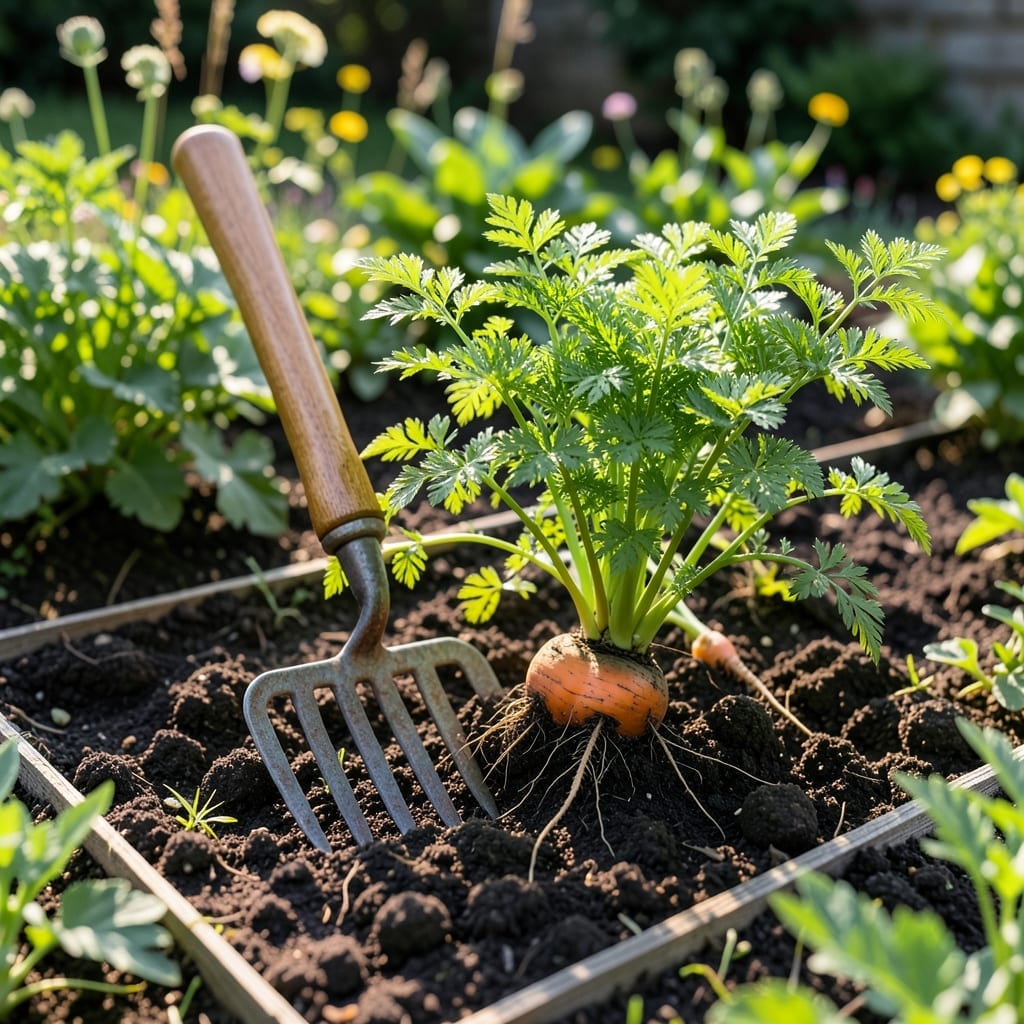
Ever wondered why some carrots taste sweeter in fall while others thrive in spring? The secret lies in their seasonal cycle. I’ll help you discover the perfect times to enjoy this root vegetable at its freshest.
With the 🥕 Carrot’s main harvest in June-July for zone 6, timing is everything. Whether you’re planting or shopping, knowing the season makes all the difference.
Let me walk you through the yearly calendar for this versatile crop. You’ll never have to guess about freshness again.
I’ve found that carrot seasons vary dramatically across the country, with spring and fall being the prime windows for most gardeners. The timing depends on your USDA hardiness zone and local climate conditions.
In cooler zones like 1-4, carrots thrive when planted in early spring or late summer for a fall harvest. Warmer zones 7-11 allow for winter growing since their milder temperatures prevent frost damage.
| USDA Zone | Spring Planting | Fall Planting | Harvest Time |
|---|---|---|---|
| 1-3 | April-May | July-August | September-October |
| 4-6 | March-April | June-July | June-July, September |
| 7-9 | February-March | August-September | May-June, November |
| 10-11 | October-November | February-March | December-March |
For zone 6, which many consider the gold standard for carrot growing, I recommend planting in March-April for a June-July harvest. The soil temperature should be at least 45°F for optimal germination.
In southern states like Texas or Florida, you can grow carrots year-round with proper care. The key is avoiding the hottest summer months when temperatures exceed 85°F, which can cause bitter flavors.
For northern gardeners, the growing season is shorter. I’ve had success with early varieties like ‘Nantes’ that mature in about 60 days. These are perfect for cool spring and fall harvests.
Don’t forget about succession planting! I plant a new batch every 2-3 weeks to extend my harvest. This technique works especially well in zones 5-8 where you can get multiple crops per year.
The soil condition is just as important as timing. I always ensure my carrot beds have loose, well-draining soil free of rocks. This prevents forked or stunted roots, which are common problems in heavy clay soils.
Remember that carrots taste sweeter after a light frost. I’ve noticed my fall-harvested carrots have a richer flavor compared to spring ones. The cold temperatures convert some of the starches to sugars, enhancing their natural sweetness.
If you’re in a mild winter region, you can leave carrots in the ground with a thick mulch layer for fresh harvesting throughout winter. Just be sure to cover them completely to prevent freezing.
For the best results, I always rotate my carrot beds each year to prevent pest and disease buildup in the soil 🌱
I’ve discovered that with a few simple techniques, you can enjoy fresh carrots for most of the year. The key is succession planting and smart seasonal strategies.
I always start by planting early varieties like ‘Paris Market’ every 2-3 weeks from early spring to late summer. This staggered approach ensures a continuous harvest rather than one big batch.
For winter harvests, I use cold frames or low tunnels. These protect my carrots from harsh frosts while still allowing sunlight to reach the plants. In zone 5-7, this method can extend your harvest by 2-3 months.
In milder climates, you can simply mulch heavily with straw. I apply a 6-inch layer over my carrot beds in late fall. This insulates the soil and prevents it from freezing, allowing me to pull fresh carrots as needed.
For container gardeners, I recommend using deep pots and moving them to a sheltered location during cold snaps. The ‘Danvers’ variety does particularly well in containers and can be harvested even in light freezes.
Remember that carrots store well in the ground. I’ve kept them fresh for months this way. Just be sure to harvest before the ground completely freezes, or the roots may become woody or damaged 🌱