
Beautiful Plants For Your Interior
Beautiful Plants For Your Interior
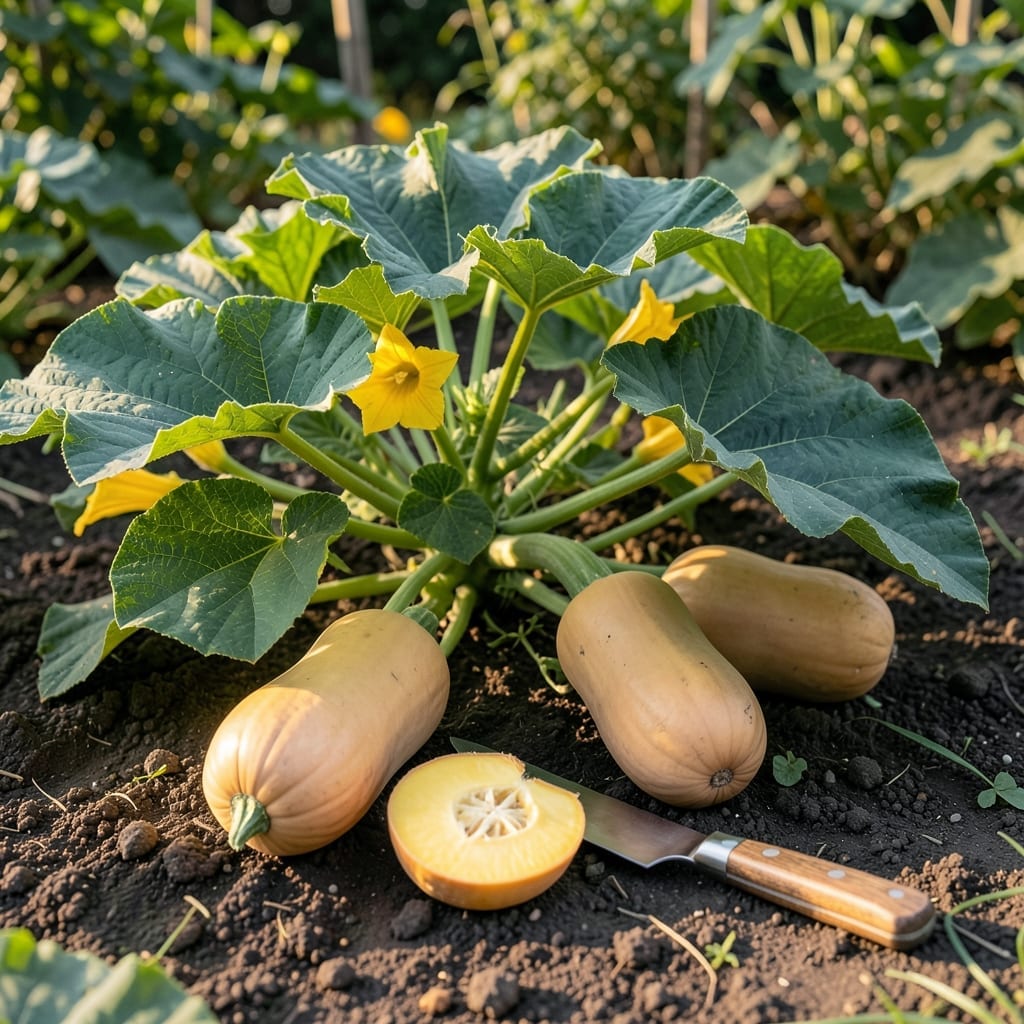
Knowing exactly when butternut squash are ready to harvest can mean the difference between a sweet, flavorful crop and an underripe disappointment. Timing is everything with this garden favorite.
The 🎃 Butternut Squash gives clear signals when it’s ready, but many gardeners miss them. From color changes to rind hardness, these visual cues are your guide to perfect harvest timing.
I’ve learned through experience that waiting for the right moment pays off. Picking too early or too late can ruin months of care and attention.
Discover the field-tested indicators that guarantee your butternut squash will be at peak ripeness. Your most delicious harvest starts with knowing what to look for.
I always check for deep tan color first when assessing my butternut squash. A uniform, matte tan skin signals the fruit has reached its peak ripeness and is ready for picking.
The hardness of the rind is another critical sign. If my thumbnail can’t puncture the squash skin, it’s a clear indicator that the harvest time is near.
| Sign | Description |
|---|---|
| Color | Deep, uniform tan |
| Rind Hardness | Cannot be punctured with thumbnail |
| Stem | Dry and woody |
| Vines | Yellowing and dying back |
| Skin Texture | Matte finish, not shiny |
A dry, woody stem is a sure sign your butternut squash is ready. I look for stems that have turned brown and corky, which means the plant has stopped feeding the fruit.
When the vines start dying back, it’s nature’s way of telling you the squash has finished growing. I often see this yellowing of leaves about 2-3 weeks before harvest time.
The matte skin texture is another giveaway. Unlike young squash with shiny skin, mature butternut squash develop a dull, non-reflective surface that’s perfect for storage.
Size matters too. Most butternut squash varieties reach 8-12 inches in length when fully mature. I always check my seed packet for the expected mature size of my specific variety.
I’ve found that early morning is the best time to check these signs, as the cool temperatures make it easier to assess the squash’s true condition without heat stress affecting my judgment.
Remember, a combination of signs is more reliable than any single indicator. I typically look for at least 3-4 of these visual cues before I’m confident my butternut squash are ready to harvest.
Finally, I always leave a 2-3 inch stem when harvesting to prevent rot and extend storage life. This small step makes a big difference in how long your squash will keep.
With these visual signs in mind, you’ll never have to guess when your butternut squash are ready again. 🌱
I love that butternut squash gives us clear signals when it’s ready. You don’t need to cut one open to test ripeness. Simple field tests will tell you everything about its readiness.
The nail test is my favorite. Press your thumbnail into the rind—if it resists, it’s ready. A hollow thump when tapped also indicates maturity. These tests work because the rind hardens as it ripens.
Another reliable method is the stem inspection. A mature butternut squash will have a dry, brown stem. If it’s still green and moist, the squash needs more time. This is a critical detail I always check.
Weight matters too. A ripe butternut squash feels heavy for its size. This indicates the flesh is dense and the seeds are fully developed. Lighter squash often means it’s not quite ready.
Avoid common mistakes like harvesting right after rain. The rind softens when wet, so wait for dry conditions. Also, don’t rely on color alone, as some varieties may look ripe but still need time.
I always combine at least two tests for accuracy. The nail and thump tests together give me confidence. When both confirm ripeness, I know it’s time to harvest and enjoy the fruits of my labor. 🌱