
Beautiful Plants For Your Interior
Beautiful Plants For Your Interior
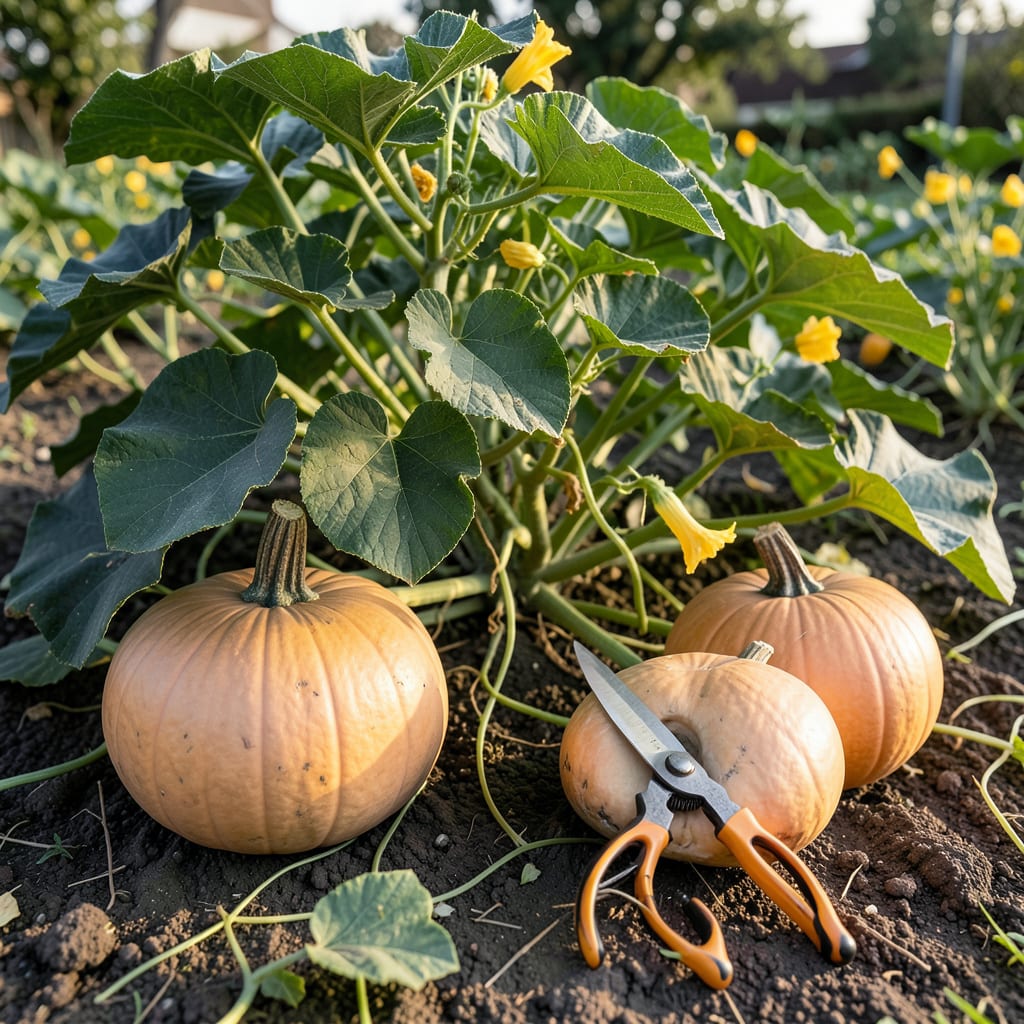
Knowing exactly when to harvest your 🎃 Butternut Pumpkin can make all the difference between a sweet, flavorful crop and an underripe disappointment. The secret lies in observing those subtle changes in the vine and skin.
I’ll show you the key signs to look for so you can pick at peak ripeness. These simple cues will ensure your Butternut Pumpkins are ready for the best flavor and storage.


Timing your butternut pumpkin harvest perfectly ensures the best flavor and storage life. I watch for vine drying as the first major clue, since the plant redirects energy away from the leaves as fruits ripen. This typically occurs 85-100 days after planting in most climates. 🌱
The most reliable indicator is the skin hardening – when you can’t puncture it with your fingernail. Combine this with the deep tan color development and you’re getting close. I always check multiple pumpkins as they may ripen at slightly different rates. 🌿
| Ripeness Sign | What to Look For |
| Vine Condition | Drying and brown |
| Skin Texture | Hard, no fingernail marks |
| Color | Uniform deep tan |
| Stem | Dry and woody |
| Days to Maturity | 90-110 days |
I pay special attention to the stem condition – when it turns from green to brown and becomes woody, that’s nature’s way of saying the pumpkin is ready. The stem should be completely dry and begin to crack near the base where it meets the fruit. ✂️
The color transformation is another clear signal. Butternuts start green and gradually turn to that characteristic tan hue. I look for a uniform color all over, with no green patches remaining. Remember that some varieties may have slightly different mature colors.
For extra confirmation, I use the “thump test”. A ripe butternut will produce a hollow sound when tapped, while an immature one sounds dull. This works best when combined with the visual signs we’ve already discussed.
Weather plays a role too. I always try to harvest before the first frost, as cold temperatures can damage the pumpkins. In my zone 6 garden, this means getting them in by mid-October at the latest. The vines will often die back naturally as frost approaches.
The size matters as well. Most butternut varieties reach 8-12 inches in length when mature. I compare my pumpkins to the seed packet description, as sizes can vary between heirloom and hybrid types.
When all these signs align – hard skin, dry stem, mature color, and hollow sound – I know it’s time. I use clean pruners to cut the stem, leaving 1-2 inches attached to the pumpkin to prevent rot.
After harvesting, I let them cure in the sun for 7-10 days to further harden the skin. This step is crucial for long-term storage. Properly cured butternuts can last 2-3 months in a cool, dry place. 🌻
Timing your butternut pumpkin harvest wrong can ruin months of care. I’ve seen gardeners cut fruit too soon because the color looked right, only to find soft rinds that bruise easily in storage.
Others wait until frost hits, thinking it helps ripening, but this can damage the pumpkin flesh and shorten its storage life significantly.
⚠️ Avoid These Harvesting Pitfalls
Don’t pick with green stems or soft skin. Ignoring vine die-back often leads to underripe pumpkins that won’t store well.
One common error is judging ripeness by size alone. A large butternut pumpkin isn’t necessarily mature. I always check the stem first—it should be dry and woody before harvesting.
Another mistake is harvesting after rain. Wet conditions can introduce rot-causing bacteria through the stem. I wait for dry weather to ensure clean, long-lasting storage.
Also, never lift pumpkins by the vine. This can damage both the plant and fruit. I use pruning shears to cut the stem cleanly, leaving 2-3 inches attached.
Finally, don’t overlook the thump test. A mature butternut will sound hollow when tapped, while an immature one sounds dull. This simple check prevents many harvesting errors.
Remember, patience pays off. Letting pumpkins fully mature on the vine ensures the best flavor and storage life for your harvest ☀️
Harvesting your butternut pumpkins isn’t the final step. I always cure them properly to develop the full sweet flavor and extend storage life significantly.
The curing process allows the skin to harden and any minor cuts to heal. I find this makes a huge difference in how long my pumpkins last in storage.
🌱 Curing Steps for Best Results
I cure my pumpkins in a well-ventilated garage or covered porch. The key is consistent warmth without temperature spikes. A space heater can help maintain the right range if needed.
After curing, I move them to a cooler storage area (about 50-55°F). This slows respiration and preserves flavor. Properly cured butternuts can last 2-3 months in storage.
Remember, the curing process also concentrates sugars, making your pumpkins taste sweeter. I notice a significant improvement in flavor after proper curing compared to eating them fresh from the vine ☀️
Try the fingernail test – press your nail into the skin. If it leaves no mark, it’s ready. A ripe butternut should feel as hard as a winter squash, not soft like a summer zucchini.
Don’t harvest yet! Green areas mean it needs more time on the vine. Only when the entire surface turns a uniform deep tan is it truly mature. Sun exposure can help even out the color.
A light frost won’t harm mature pumpkins, but avoid heavy frost. Harvest immediately if temperatures will drop below 28°F for several hours. Cold damage shows as soft, watery spots.
Leave 2-3 inches of stem attached. This prevents rot and helps with handling. Use clean pruners and make a sharp cut – never twist or pull the fruit from the vine.
