
Beautiful Plants For Your Interior
Beautiful Plants For Your Interior
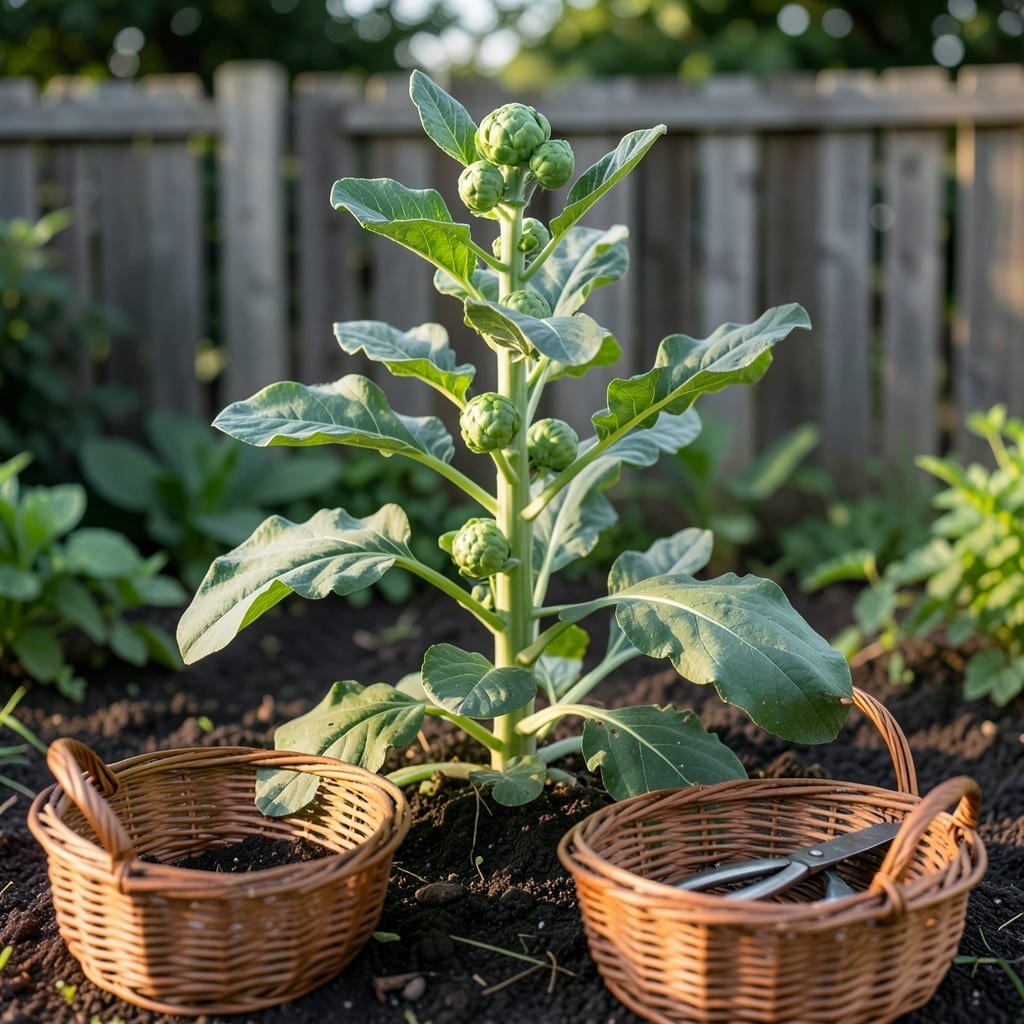
There’s something magical about biting into a perfectly roasted Brussels Sprout 🥬 that’s been freshly picked at its peak. But knowing when that peak occurs can make all the difference in flavor and texture.
If you’ve ever wondered why your homegrown sprouts sometimes taste bitter or lack that sweet, nutty depth, timing might be the culprit. These cool-weather lovers have a specific window when they shine brightest.
From planting in early spring to harvesting in the crisp days of fall, understanding the rhythm of the Brussels Sprouts season ensures you get the most out of your garden. And yes, your climate plays a huge role.
Let me walk you through when to expect the best results, no matter where you’re growing. You’ll be surprised how much a little timing can transform your harvest.
If you’re wondering when are brussel sprouts in season, the answer varies by climate zone. These cool-weather crops thrive in fall and early winter, with peak flavor after a light frost. I’ve found they grow best when temperatures stay between 45°F and 75°F. ☀️
In cooler zones (3-5), Brussels sprouts are typically planted in early summer for a fall harvest. Warmer zones (7-10) allow for a winter or early spring crop. The key is timing your planting so sprouts mature during the coolest part of the year. 🌱
| row”> | cell”>May-June | row”> | cell”>June-July | row”> | cell”>Aug-Sept | row”> | cell”>Sept-Oct | Dec-Feb |
In Zone 3-4, start seeds indoors 6-8 weeks before the last frost. Transplant seedlings outside after the danger of hard frost has passed. These zones often see harvests in September and October, just before the first hard freeze. ✂️
For Zone 5-6, I recommend planting in late spring to early summer. This gives plants enough time to mature before the first fall frost. Brussels sprouts in these zones are typically ready to harvest from October through November. 🌿
Gardeners in Zone 7-8 can plant in late summer for a winter harvest. The mild winters in these regions allow Brussels sprouts to thrive through December and January. Just ensure they get full sun and consistent moisture. 💧
In the warmest zones, 9-10, plant in fall for a winter or early spring harvest. These areas can grow Brussels sprouts almost year-round, but avoid the hottest summer months as the heat can cause bitter-tasting sprouts. 🌡️
Remember, frost improves flavor by converting starches to sugars. In my experience, sprouts taste sweeter after a light frost. However, a hard freeze can damage the plants, so harvest before temperatures drop below 20°F. 🌳
For the best results, choose early-maturing varieties in shorter growing seasons. In longer seasons, late-maturing types can produce larger, more flavorful sprouts. Always check the days to maturity on seed packets to plan accordingly. 📋
Finally, succession planting can extend your harvest. Sow a new batch of seeds every 2-3 weeks to ensure a continuous supply. This works especially well in milder climates where the growing season is longer. 🪴
I love growing Brussels sprouts because they thrive in cool weather, but you can stretch their season with smart techniques. Succession planting every 2-3 weeks gives you a continuous harvest from early fall through winter in many zones.
For colder climates, I use row covers or cold frames to protect plants from early frosts. These simple tools can add 4-6 weeks to your growing window while keeping sprouts tender and sweet.
I’ve found that choosing the right variety makes a huge difference. ‘Diablo’ and ‘Bubbles’ are excellent for longer seasons, maturing in about 110 days with great cold tolerance.
In my experience, consistent watering is key during season extension. Aim for 1-2 inches weekly, especially when using protective covers that can trap moisture.
Don’t forget to feed your plants every 4-6 weeks with a balanced fertilizer. This keeps them productive as they work harder in less-than-ideal conditions.
With these methods, I’ve successfully harvested Brussels sprouts from September through March in my zone 7 garden. The flavor actually improves after light frosts!
🌱