
Beautiful Plants For Your Interior
Beautiful Plants For Your Interior
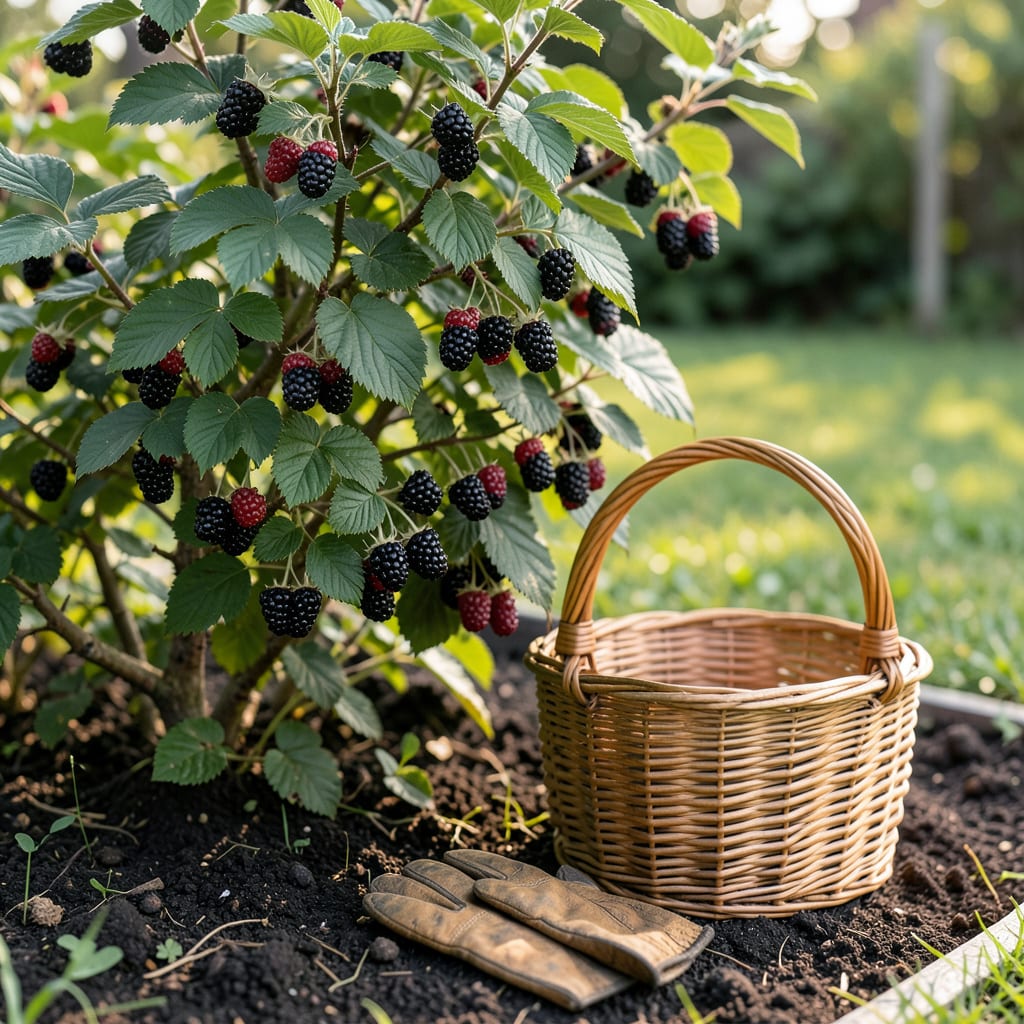
There’s nothing quite like the taste of a perfectly ripe Blackberry 🫐, but timing your harvest is the key to getting that sweet, juicy flavor we all crave.
From July to August, these berries reach their peak, and knowing the right moment to pick can make all the difference. Let me show you how to spot the best ones.
Timing your blackberry harvest depends heavily on where you live and the USDA hardiness zone you’re in. In warmer areas like Zones 7-10, the season often kicks off in early June. Cooler climates may see ripening start in late July. 🌱
I’ve found that early varieties like ‘Apache’ or ‘Ouachita’ can ripen 2-3 weeks sooner than late-season types such as ‘Chester’. Local weather patterns, like a particularly wet spring, can also shift the timeline by a week or two. ☀️
| Region | Harvest Window | Key Varieties |
|---|---|---|
| Zones 5-6 | Mid July – August | Chester, Triple Crown |
| Zones 7-8 | Early July – Mid August | Apache, Natchez |
| Zones 9-10 | June – Early July | Ouachita, Kiowa |
In Pacific Northwest regions, the cool maritime climate can extend the harvest into early September. I’ve noticed that morning harvests after a warm, dry spell yield the sweetest berries. 🌿
For southern states like Texas or Florida, the heat can cause early ripening as soon as late May. However, drought conditions might delay fruit development, so keep an eye on soil moisture levels. 💧
If you’re growing thornless varieties, they often ripen a week later than thorny types. I recommend marking your first bloom date on a calendar—blackberries typically ripen 60-75 days after flowering begins. ⏰
In my experience, container-grown blackberries may ripen slightly earlier due to warmer root zones. Just ensure they get full sun and consistent watering to avoid split or misshapen berries. ✂️
Watch for regional microclimates too. A south-facing slope can hasten ripening by a few days compared to a shady north side. I’ve seen this firsthand in my own backyard garden. 🌳
For those in mountainous areas, elevation plays a role. Higher altitudes with cooler temperatures will have a later harvest window, sometimes pushing into early September. 🌡️
Finally, remember that second-year canes (floricanes) produce fruit, while first-year canes (primocanes) focus on growth. This biennial cycle is key to planning your harvest schedule year after year. 🪴
Spotting ripe blackberries is all about the details. I look for a deep black color first—no red or purple hues. The berries should feel firm but slightly soft when gently pressed. 🌱
A fully ripe blackberry will easily detach from the plant with just a light tug. If it resists, it’s not ready. Another sign is a sweet aroma that fills the air around the bush. ☀️
I’ve made the mistake of picking too early—underripe berries are tart and hard. If you see a shiny surface, that’s a good sign of ripeness. Dull berries may be overripe or past their prime. 🌿
For thornless varieties, the same rules apply, but check the entire cluster. They often ripen unevenly. I like to taste-test one from different parts of the bush to confirm. 💧
Another tip: Morning is the best time to check for ripeness. The berries are firmer after a cool night, making it easier to spot the perfectly ripe ones. ⏰
If you notice birds eyeing your berries, they’re likely ripe too! I use netting to protect my crop once they start changing color. This keeps both pests and premature picking at bay. 🪴
Harvesting blackberries the right way ensures healthy plants and bountiful future harvests. I always use sharp pruners or scissors to avoid tearing the canes. Gentle handling prevents plant stress and disease entry. 🌱
I pick every 2-3 days during peak season to catch berries at their prime. This frequent harvesting also reduces the chance of overripe fruit dropping and attracting pests. ☀️
💡 Pro Tip: Harvest in the early morning when berries are cool and firm. Use a shallow container to prevent crushing the fruit at the bottom.
After harvesting, I remove spent canes that have produced fruit. These floricanes won’t bear again, so pruning them redirects energy to new growth. This keeps the plant productive and tidy. ✂️
I also water deeply after harvest to help the plant recover. Adding a layer of mulch around the base retains moisture and suppresses weeds. This care ensures next year’s crop will be just as abundant. 🌿
Finally, I inspect the plant for signs of stress or disease after harvesting. Removing any damaged or diseased canes immediately prevents issues from spreading. This proactive approach keeps my blackberry bushes thriving year after year. 🪴
Check every 2-3 days during peak season. Blackberries ripen quickly, and frequent picking ensures you catch them at their sweetest before they become overripe.
Red or purple berries aren’t ripe yet. They need more time to develop their deep black color and natural sweetness. Picking too early results in tart, hard fruit.
Wait until the berries dry to avoid mold. Wet fruit can spoil faster and may not store as well. Morning harvests after dry days yield the best results.
Fresh blackberries last 3-5 days in the fridge. Store them unwashed in a shallow container lined with paper towels to absorb moisture.
