
Beautiful Plants For Your Interior
Beautiful Plants For Your Interior
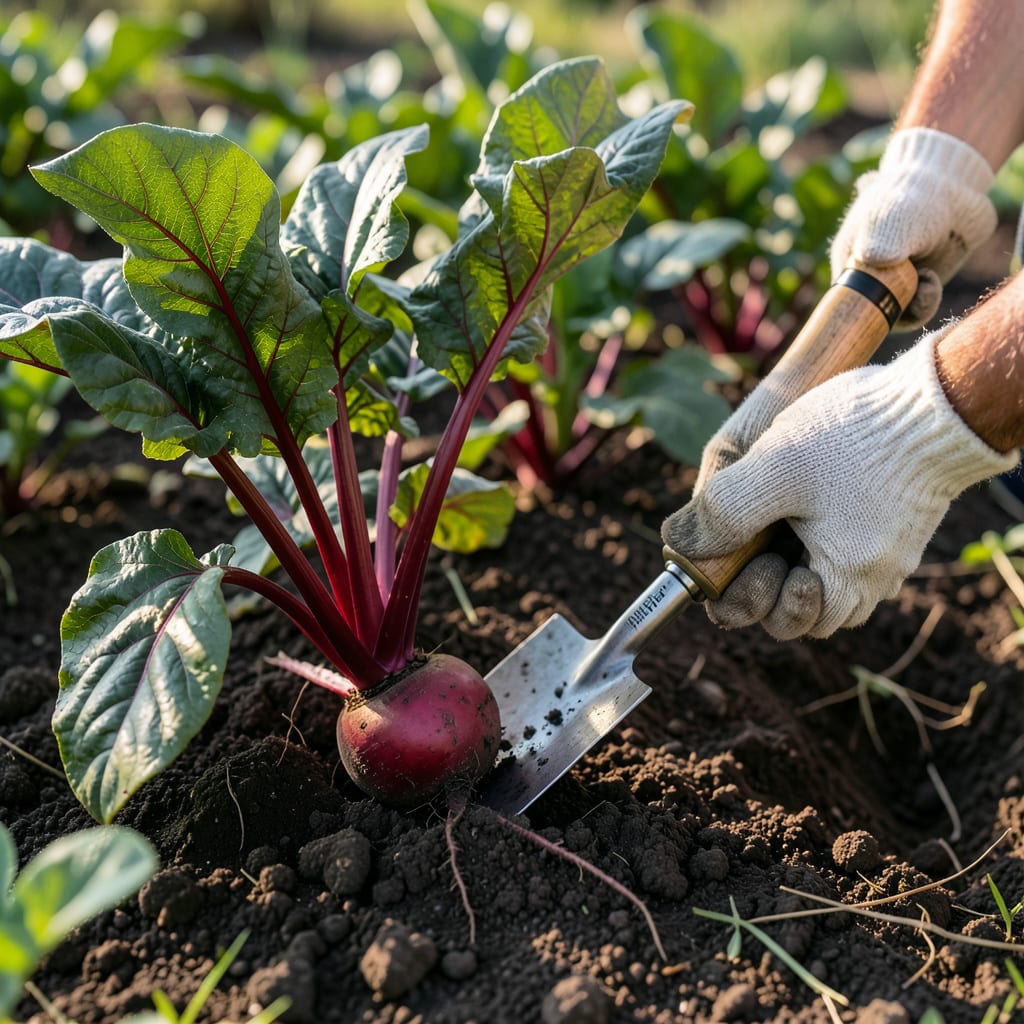
Nothing beats the satisfaction of pulling fresh 🥬 Beets from your garden, but timing is everything. Harvest too early or too late, and you’ll miss that perfect, tender sweetness.
I’ll show you the simple size and skin tests to know they’re ready. With these tips, you’ll always pick your Beets at their flavorful peak.


I always check for three key signs that my beets are ready: size, shoulder protrusion, and leaf maturity. These indicators tell me the roots have developed their best flavor and texture.
Most beets reach their peak harvest size between 1-3 inches in diameter. Smaller than this, they may lack sweetness; larger, and they can turn tough and woody.
| Sign | Description |
| Size | 1-3 inches diameter |
| Shoulders | Visible above soil line |
| Color | Deep, rich hue |
| Leaves | Healthy and vibrant |
The shoulders of the beet—where the root meets the stem—should be visible above the soil. This is the most reliable visual cue I use in my garden. If I can see 1/2 to 1 inch of the root poking out, it’s time.
Color is another great indicator. Mature beets develop a deep, rich color, whether red, gold, or purple, depending on the variety. If the color looks pale or dull, the beets likely need more time.
The leaves also provide clues. Healthy, vibrant greens with no yellowing or wilting suggest the plant is still actively growing. When leaves start to yellow or wilt, it might indicate the beets are past their prime.
I always do a gentle soil check if I’m unsure. Using my fingers, I carefully brush away soil around the base of the plant to inspect the root size and color. This method prevents damaging the plant while confirming readiness.
For baby beets, harvest when they’re about 1 inch in diameter. These are perfect for immediate use and have an extra-tender texture. Larger beets, up to 3 inches, are ideal for storage.
Remember, beet varieties can mature at different rates. Early varieties may be ready in as few as 50 days, while main crop varieties often take 60-70 days. Always check the seed packet for specifics.
In my experience, morning harvesting yields the best results. The beets are most hydrated after a cool night, making them easier to pull and less prone to damage. ☀️
Timing your beet harvest depends on the variety and season. I’ve found that early-season beets like ‘Early Wonder’ are ready in about 50 days, while main crop varieties such as ‘Detroit Dark Red’ take 60-70 days. ☀️
For spring planting, I start checking for readiness in late May to early June. In fall plantings, beets often mature faster due to cooler temperatures, so I begin harvests around early October.
| Variety Type | Days to Maturity |
| Early Season | 50-55 days |
| Main Crop | 60-70 days |
| Late Season | 70-80 days |
I always adjust my harvest timing based on weather conditions. A warm spring can speed up maturity, while a cool, wet season may delay it. I check my beets every few days as they approach maturity.
For baby beets, I harvest when they’re about 1 inch in diameter, typically 30-40 days after planting. These are perfect for immediate use and have a delicate flavor.
Fall-harvested beets often taste sweeter because the cool temperatures convert more starches to sugars. I aim to complete my fall harvest before the first hard frost.
Remember, consistent moisture is key for even maturation. I water my beets deeply once a week, ensuring the soil stays evenly moist but not soggy. 💧
I’ve learned the hard way that harvesting beets too early results in small, underdeveloped roots that lack sweetness. Even 1-inch beets need proper time to develop their best flavor.
On the flip side, leaving beets too long in the ground leads to woody, tough textures. Once they exceed 3 inches, they often become bitter and fibrous.
Pull before beets exceed 3 inches to avoid woody texture. Check daily as they near maturity.
Another common mistake is damaging foliage during harvest. I always gently loosen soil around the beet before pulling to prevent breaking the greens or root.
I also avoid harvesting during hot midday. The stress can make beets less crisp. Instead, I pick in the cool morning when plants are most hydrated.
Inconsistent watering before harvest causes cracked or split roots. I maintain even moisture in the final weeks to ensure smooth, firm beets. 🌱
Gently brush away soil around the base to expose the top of the beet. You should see 1-3 inches of diameter for mature beets. This method lets you check without disturbing the roots.
Overmature beets become woody and tough, losing their sweet flavor. Once they exceed 3 inches, they can develop a bitter taste and fibrous texture. Harvest promptly for best quality.
Morning is ideal, as beets are most hydrated after cool nights. This makes them easier to pull and less prone to damage. Avoid hot midday harvesting for best texture.
Yes, you can carefully snip outer leaves for salads while roots continue growing. Never remove more than 1/3 of the foliage at once, as the plant needs leaves for photosynthesis.
