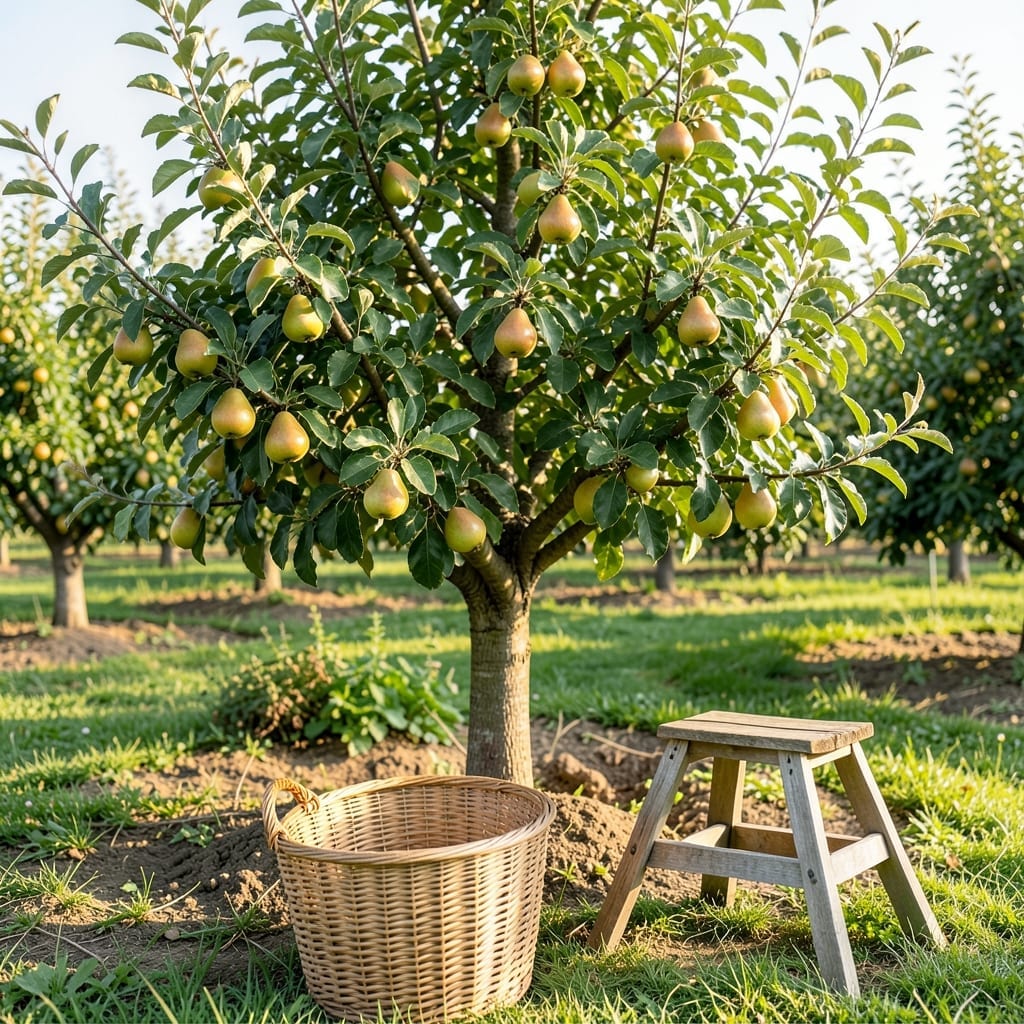
When Are Asian Pears Ready to Pick: Color and Firmness Indicators

When Are Asian Pears Ready to Pick: Color and Firmness Indicators

Knowing exactly when to harvest your 🍐 Asian Pear can mean the difference between a crisp, flavorful fruit and a disappointing one. Unlike other varieties, these pears ripen on the tree.

Timing is everything, and missing the window by even a few days can affect taste and texture. I’ll show you the key signs to watch for so you never pick too early or too late.

From color changes to gentle firmness tests, there are reliable indicators that your fruit is ready. These simple checks take less than a minute but make all the difference.

Let me walk you through the most important visual and tactile cues that signal your Asian Pears are at their peak for picking.

Style 16: Quick Tips – General
🌅
Morning
Pick early for best flavor & crunch
✂️
Clean Cut
Use scissors, don’t pull or twist
🔄
Check Daily
Ripeness can change overnight!

Key Signs That Asian Pears Are Ready to Harvest

Harvesting Asian pears at the right time ensures maximum crispness and sweet flavor. Unlike European pears, these fruits ripen on the tree, so picking them too early or late can be disappointing.

I always look for visual cues first. The fruit’s skin color shifts from green to golden-brown or bronze, depending on the variety. This change is one of the most reliable indicators that harvest time is near.

Harvest Sign Description
Color Change Shifts from green to golden or bronze
Stem Separation Twists off easily with gentle pressure
Firmness Slight give when pressed near stem
Aroma Sweet scent develops at stem end

Another key sign is the ease of separation. When the fruit is ready, it will twist off the branch with minimal effort. If it resists, it’s not quite ready, and forcing it could damage the tree or the fruit.

The firmness test is also helpful. Press gently near the stem end—a ripe Asian pear will have a slight give, but it should still feel firm overall. If it’s rock-hard, it needs more time.

I’ve found that seed color can be a great indicator. When the seeds turn brown, the fruit is usually ready. This is a more reliable method than color alone, especially for green varieties that don’t change much.

Days from bloom vary by variety, but most Asian pears take between 120 to 180 days. For example, ‘20th Century’ is typically ready in 140 days, while ‘Shinseiki’ may take closer to 160 days. 🌱

Weather conditions also play a role. A warm, sunny season can speed up ripening, while cool, cloudy weather may delay it. Keep an eye on the forecast and adjust your expectations accordingly.

If you’re unsure, try the taste test. Pick one or two fruits and sample them. A ripe Asian pear will be juicy, sweet, and crisp. If it’s bland or hard, wait a few more days before harvesting the rest.

Finally, observe the fruit drop. When Asian pears start to fall naturally from the tree, it’s a clear sign that the remaining fruits are ready to be picked. This usually happens over a 1-2 week period, so check your tree daily once you notice the first signs.

With these indicators in mind, you’ll be able to harvest your Asian pears at the perfect moment for the best flavor and texture. ☀️

How to Test Asian Pear Ripeness Before Picking

Testing for ripeness is easier than you might think. I always start with the twist-and-lift method—gently twist the fruit while lifting upward. If it separates cleanly from the branch, it’s ready to harvest.

Another reliable technique is the gentle squeeze test. Press your thumb near the stem; a ripe Asian pear will give slightly, but it shouldn’t be soft like a ripe avocado.

Steps to Test Ripeness

  1. Twist and Lift: Gently twist the fruit; if it detaches easily, it’s ready.
  2. Check Color: Look for a deepening to yellow, bronze, or brown hues.
  3. Squeeze Test: Press near the stem; slight give indicates ripeness.
  4. Seed Inspection: Cut open one fruit; dark brown seeds mean it’s mature.
  5. Aroma Check: Ripe pears emit a sweet, fragrant scent near the stem.

If you’re still unsure, try the taste test. Pick one fruit and sample it—Asian pears should be crisp and juicy with a sweet flavor when fully ripe.

Don’t forget to check the seed color. Immature seeds are white or light brown, while ripe ones turn a deep dark brown. This is one of the most accurate indicators I rely on.

Finally, observe the fruit drop pattern. When a few pears start falling naturally from the tree, it’s a clear sign that the rest are nearing harvest time.

Using these simple tests, you’ll never have to guess when your Asian pears are at their peak. I’ve found that combining two or three methods gives the most reliable results every time. ✂️

★★★★★4.5(5 reviews)