
Beautiful Plants For Your Interior
Beautiful Plants For Your Interior
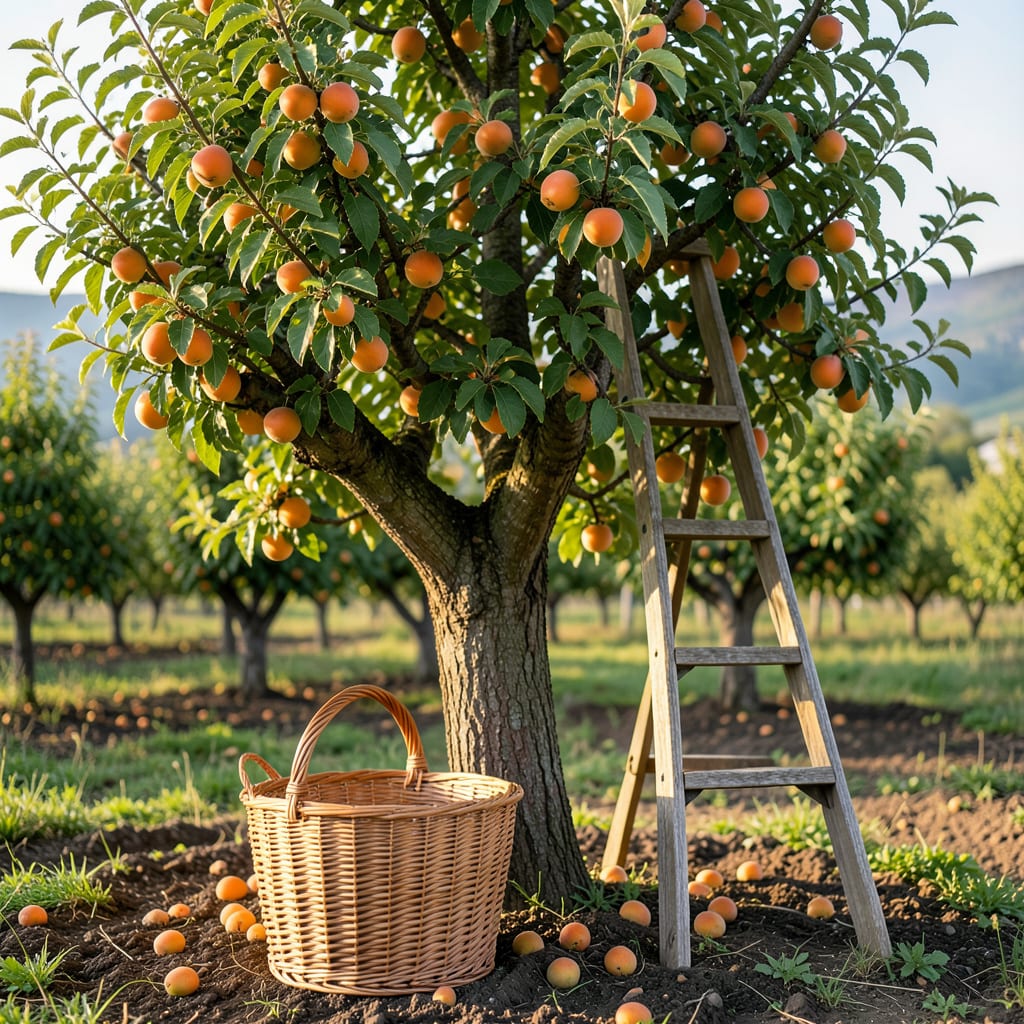
There’s nothing quite like biting into a perfectly ripe 🍑 apricot fresh from the tree. But knowing the right moment to pick them can be tricky.
I’ll help you identify the exact signs of ripeness and understand the best harvest window for your apricot tree. Let’s make sure you never miss that sweet spot again.


Timing your apricot harvest perfectly ensures the sweetest flavor and best texture. I watch for that golden-orange hue replacing the green, which is your first visual clue the fruit is nearing peak ripeness.
The stem end often develops a sweet aroma when apricots are ready. This fragrance is nature’s way of saying, “It’s time!” Trust your nose as much as your eyes when checking for ripeness.
| Ripeness Sign | What to Look For |
|---|---|
| Color Change | Deep golden-orange all over |
| Texture | Slight softness when gently pressed |
| Aroma | Sweet fragrance near the stem |
| Stem Test | Fruit twists off easily |
I always do the gentle squeeze test—if the fruit yields slightly under pressure, it’s likely ready. Be careful not to bruise the apricots, though. A light touch is all you need.
The stem separation test is my favorite method. A ripe apricot will come away cleanly from the branch with just a slight twist. If it resists, give it another day or two.
For early varieties, you might see ripeness as early as late June. Most apricot trees, though, reach peak harvest in July or August, depending on your climate zone.
If you notice birds eyeing your crop, that’s another sign they’re nearing ripeness. I’ve found that netting the tree a week before expected harvest helps protect my fruit from eager beaks.
Remember that color alone isn’t enough. Some apricot varieties stay slightly green even when ripe. That’s why I always combine the color check with the squeeze and aroma tests.
In hotter climates, apricots may ripen 1-2 weeks earlier than in cooler areas. I adjust my harvest timing based on local weather patterns and the specific variety I’m growing.
Finally, taste-test one or two fruits if you’re unsure. A perfectly ripe apricot will be juicy and sweet with just a hint of tartness. That first bite will tell you if the rest are ready!
Harvest in the cool morning hours for the best flavor and to help the fruit last longer after picking. 🌳
Apricot harvest timing varies widely based on your climate zone and the specific variety you’re growing. In warmer regions like California, I’ve seen early varieties ready as soon as late May.
Most home gardeners will find their trees ripening between July and August. The key is monitoring your local heat units and watching for those telltale ripeness signs we discussed earlier.
| Variety Type | Typical Harvest | Climate Zone |
|---|---|---|
| Early Season | Late June to Early July | 5-7 |
| Mid Season | July to Early August | 6-8 |
| Late Season | August to Early September | 7-9 |
I’ve noticed that dwarf varieties often ripen 1-2 weeks earlier than standard trees. Their smaller size means they reach maturity faster, so keep an extra close eye on them.
In cooler climates, the ripening process slows down. I adjust my expectations and give the fruit extra time on the tree. Sometimes this means waiting until early September for the last of the crop.
Local microclimates can make a big difference too. My neighbor’s tree, just a mile away, often ripens 5-7 days earlier than mine because of better sun exposure.
Remember that weather patterns affect ripening. A particularly hot spring can speed up the process, while a cool summer might delay it. I always check my tree daily once the first signs appear.
For the most accurate timing, I recommend keeping a garden journal to track your tree’s progress year to year. 🌿
Even experienced gardeners can make simple mistakes when harvesting apricots. I’ve learned that picking in wet conditions can lead to mold and spoilage, so I always wait for dry weather.
Another common error is ignoring the stem. A healthy stem should be dry and woody when the fruit is ripe. If it’s still green and supple, the apricot isn’t ready yet.
⚠️ Warning: Never pull apricots from the tree. Always twist gently to avoid damaging the fruit or branch. Harvesting too early results in tart, starchy fruit that won’t ripen properly off the tree.
I see many gardeners misjudge color as the sole indicator. Remember that some varieties retain green shoulders even when fully ripe. Always combine the color check with the squeeze test and aroma.
Avoid harvesting all fruit at once. Apricots often ripen staggered over days. I make multiple passes through my tree, picking only the fully ripe specimens each time to ensure peak flavor and reduce waste.
Finally, don’t forget to handle with care. Apricots bruise easily, so I use both hands when picking and place them gently in my harvest basket. This helps extend their shelf life significantly. ✂️
Look for a deep golden-orange color and a sweet aroma near the stem. Gently press the fruit—it should yield slightly but not feel mushy.
Certain varieties retain green shoulders even at peak ripeness. Always combine color with the squeeze test and stem separation to confirm.
They’ll remain tart and starchy and won’t ripen properly off the tree. Apricots don’t continue ripening after picking like some other fruits.
Inspect daily once the first signs appear. Apricots often ripen in staggered batches, so multiple picks may be needed over 1-2 weeks.
