
Beautiful Plants For Your Interior
Beautiful Plants For Your Interior
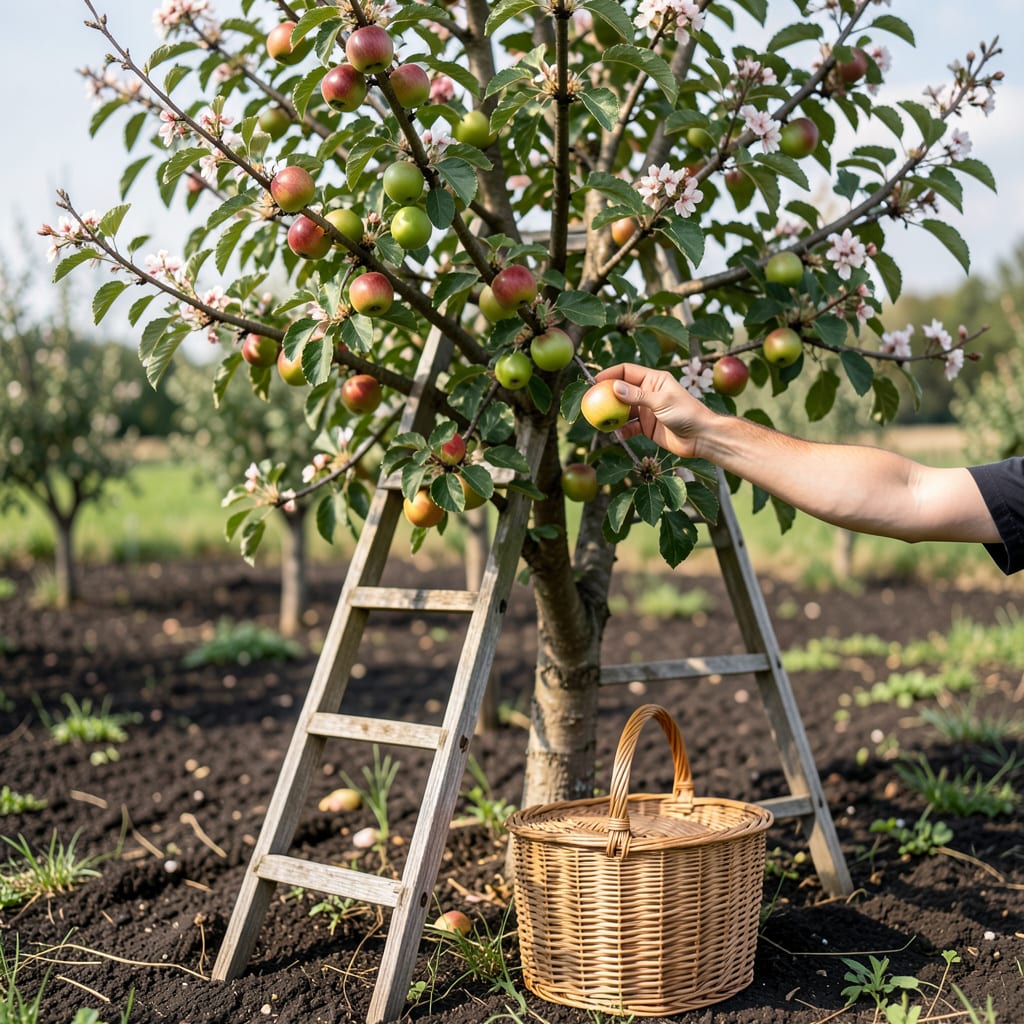
There’s nothing quite like biting into a perfectly ripe 🍎 apple you’ve picked yourself. But how do you know when they’re truly ready?
I’ll show you the easiest ways to spot peak ripeness, from color changes to the simple twist test. Let’s make sure your harvest is the sweetest yet.


I’ve found that knowing the exact moment to harvest apples is both an art and a science. The color change is often the first clue, but it’s not the only one. Different varieties shift from green to red, yellow, or a mix, signaling they’re nearing ripeness.
Another reliable test is the fruit twist method. Gently cup an apple in your palm and twist it upward. If it separates easily from the stem with a satisfying pop, it’s likely ready. This works because the abscission layer forms at the stem when the fruit is ripe.
| Sign | How to Check | What It Means |
|---|---|---|
| Color Change | Compare to mature shade | Fruit is nearing ripeness |
| Fruit Twist | Gently twist upward | Stem separates easily |
| Seed Color | Cut open and inspect | Brown/black seeds = ripe |
| Firmness Test | Gently press fruit | Slight give indicates readiness |
The seed color test is another great indicator. Slice an apple open and check the seeds. If they’re brown or black, the fruit is typically at its peak. Green seeds mean it’s not quite ready, so hold off for a few more days.
Don’t overlook the firmness test. A ripe apple will have a slight give when you press it gently with your palm. If it’s rock hard, it’s underripe. If it’s mushy, it’s overripe. This test works best for varieties like Gala or Fuji.
I also pay attention to the ground around the tree. When apples start dropping naturally, it’s a sign that the rest are ready or nearly ready to pick. Just be sure to check for windfalls daily to avoid attracting pests.
The taste test is my personal favorite. Pick one apple and sample it. If it’s sweet and crisp, the rest are likely ready. If it’s tart or bland, give it a few more days. Remember, flavor develops as the fruit ripens on the tree.
For late-season varieties like Granny Smith, I wait until after the first light frost. The cold snap helps develop their signature tartness. But for early varieties like Yellow Transparent, I start checking as soon as late July.
Always consider your local climate. In warmer zones, apples may ripen 2-3 weeks earlier than in cooler areas. If you’re unsure, consult a local extension office for variety-specific advice.
Finally, I recommend harvesting in the morning when temperatures are cooler. This helps preserve the apples’ freshness and crispness. Use a gentle twisting motion to avoid damaging the tree or the fruit. 🌳
Timing your apple harvest perfectly makes all the difference. I rely on simple field tests that anyone can do with no special tools. The twist test is my go-to: cup the apple, lift, and give it a gentle twist.
If it comes off cleanly with the stem attached, it’s ready. This works because the abscission layer forms when ripe. For early varieties, I start testing in late summer, while late varieties need until fall. 🌳
The seed inspection is foolproof for me. Cut an apple open and look at the seeds. Brown or black seeds mean it’s ready, while green seeds need more time. This works for all varieties from Gala to Granny Smith.
For the firmness test, press gently near the stem. A ripe apple gives slightly under pressure. If it’s hard as a rock, wait a few days. If it’s soft, it’s past peak and may not store well.
Don’t forget the taste test. Pick one apple and bite in. If it’s sweet and juicy, the rest are likely ready. If it’s tart or mealy, give them more time on the tree.
I always check multiple apples from different branches. Ripening can vary even on the same tree, especially with uneven sunlight exposure. The north side often ripens a bit later than the south. ✂️
Harvesting apples at the wrong time can ruin your entire crop. I’ve seen many gardeners pick too early in wet weather, which leads to poor storage life and increased rot risk.
Another common error is ignoring tree health. If your tree looks stressed or diseased, the fruit may not ripen properly. Always check for healthy foliage and firm branches before harvesting. 🌳
⚠️ Warning: Avoid harvesting in rainy conditions—wet apples bruise easily and are prone to mold. Also, never pull apples off the branch; always use a gentle twisting motion to prevent damage.
I also caution against waiting too long. Overripe apples can fall prematurely, attracting pests and becoming unusable. The window for perfect ripeness is often just a few days.
Mishandling fruit is another big mistake. Rough handling causes bruising and spoilage. Place harvested apples in a soft container and avoid stacking them too high.
Finally, don’t forget to check different tree sides. Apples on the sunny side often ripen faster than those in shade. This uneven ripening can trick you into harvesting too early or late. ✂️
Use the twist test: cup an apple, lift gently, and twist. If it separates cleanly with the stem intact, it’s ready. This works because the fruit forms a natural separation layer when ripe.
No, ripening varies by variety and even branch location. Early types like Yellow Transparent may be ready in late July, while Granny Smith needs until after the first frost. Sunny-side fruit often ripens first.
Avoid harvesting in wet conditions. Wet apples bruise easily and are prone to mold. Always wait for dry weather and use a gentle twisting motion to prevent damage.
Overripe apples may fall prematurely or feel soft when pressed. The window for peak ripeness is often just a few days, so check daily once they near maturity.
