
Beautiful Plants For Your Interior
Beautiful Plants For Your Interior
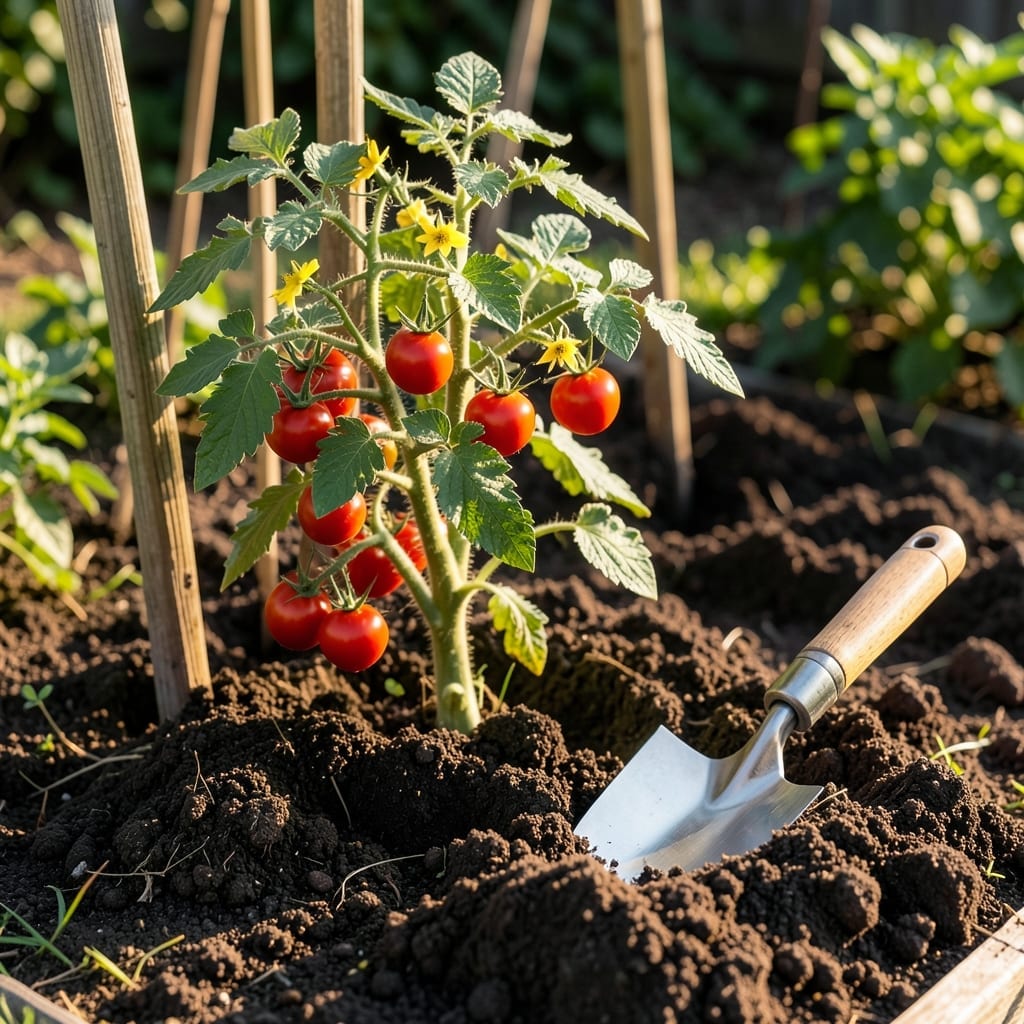
The secret to plump, flavorful Tomato 🍅 starts beneath the surface—with the right soil. While these plants are hardy, their growth depends heavily on soil quality.
You might be surprised to learn that even in zone 6a, the wrong soil can stunt your plants. The ideal mix balances drainage, nutrients, and texture for thriving tomatoes.
I’ve tested different approaches, and the right soil preparation makes all the difference. Whether you’re planting in spring or amending existing beds, this guide will help you create the perfect foundation.
Discover how to transform your soil into a tomato-growing powerhouse. Let’s dig into what really works for juicy, healthy harvests.
Tomatoes thrive in loamy soil that balances sand, silt, and clay. This texture ensures good drainage while retaining enough moisture and nutrients for healthy root development.
I always aim for a pH between 6.0-6.8, which is slightly acidic. This range helps tomato plants absorb nutrients like nitrogen, phosphorus, and potassium more efficiently.
| Requirement | Specification |
|---|---|
| Texture | Loamy (40% sand, 40% silt, 20% clay) |
| pH Level | 6.0-6.8 (slightly acidic) |
| Organic Matter | 25-30% compost or aged manure |
| Drainage | Well-draining, no waterlogging |
| Nutrients | High in N-P-K (5-10-10 ratio) |
In my experience, adding organic matter like compost or well-rotted manure improves soil structure. It enhances water retention in sandy soil and aeration in clay soil.
Sandy soil drains too quickly, while clay soil holds too much water. A loamy mix strikes the perfect balance for tomato roots to access both air and water.
I recommend testing your soil before planting. A simple pH test kit from your local garden center will tell you if you need to adjust acidity with lime or sulfur.
For containers, use a lightweight potting mix with perlite or vermiculite for drainage. Avoid garden soil, as it can compact and suffocate roots in pots.
Tomatoes are heavy feeders, so I mix in a balanced fertilizer or worm castings at planting. This gives them a nutrient boost for early growth.
Consistent moisture is key, but overwatering can lead to root rot. A mulch layer helps retain soil moisture while preventing soil-borne diseases from splashing onto leaves.
If your soil is too alkaline, I’ve found that adding sulfur or peat moss can lower the pH. For acidic soil, garden lime will raise it to the ideal range.
With the right soil, your tomato plants will grow strong, healthy, and productive all season long 🌱
I always say that healthy tomatoes start with healthy soil. Before planting, I test my soil’s pH levels and nutrient content to ensure it meets the needs of my plants. A simple DIY soil test can reveal a lot about its condition.
You can use a home testing kit or send a sample to a local extension office for a detailed analysis. I prefer testing in early spring so I have time to amend the soil before planting season begins.
If your soil is too acidic, I recommend adding lime to raise the pH. For alkaline soil, sulfur or peat moss can help lower it. Always follow package instructions for application rates.
Tomatoes thrive in loamy soil, which holds moisture but drains well. If your soil is heavy clay, amending with organic matter like compost or aged manure will improve its structure.
I also suggest adding a layer of mulch around your tomato plants to keep the soil moist and suppress weeds. Straw or shredded leaves work well for this purpose.
Finally, remember that consistent moisture is key. Tomatoes don’t like soggy roots, so ensure your soil drains properly to prevent waterlogging. With the right preparation, your tomatoes will grow strong and healthy.
🌱