
Beautiful Plants For Your Interior
Beautiful Plants For Your Interior
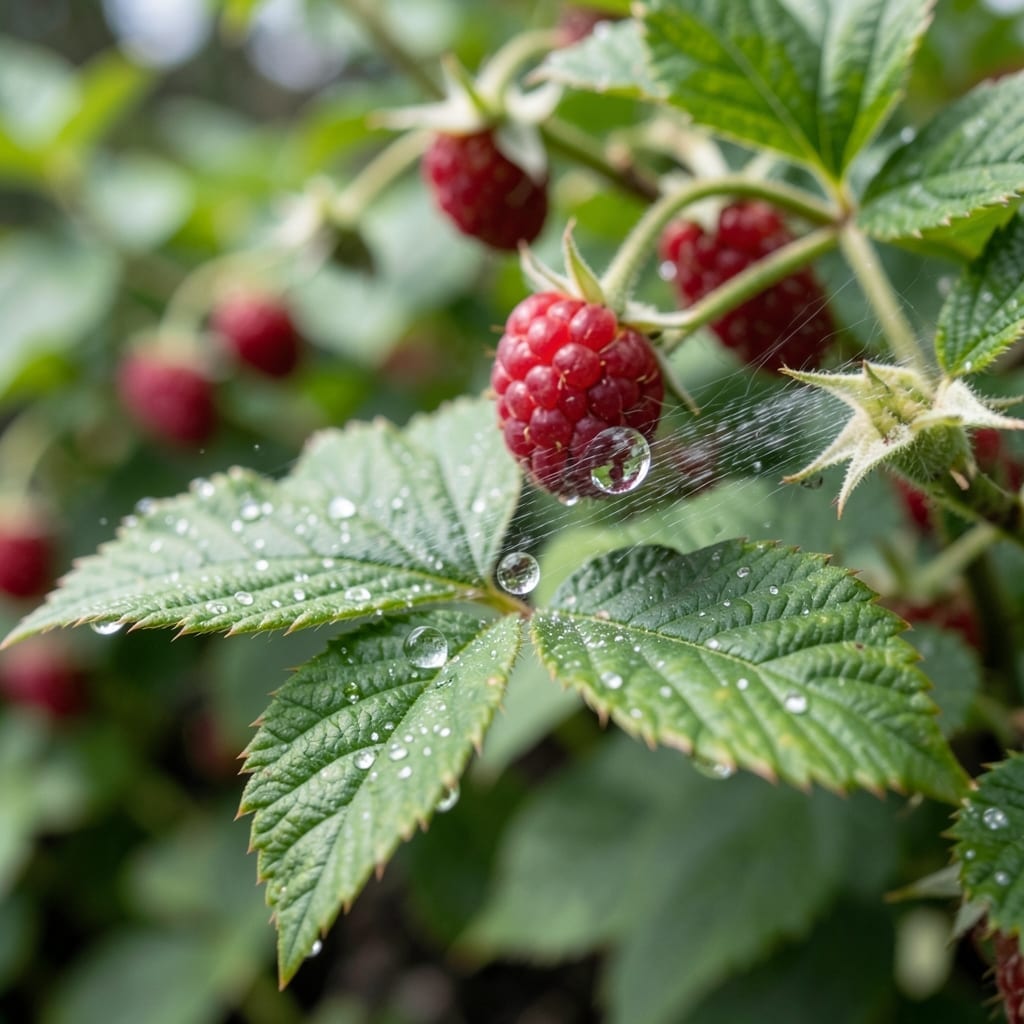
Japanese beetles skeletonized my raspberry canes last July. 🌿 I learned the hard way that spraying is just one part of the solution—you need to understand what you’re targeting first.
Most raspberry pests leave telltale signs: chewed leaves, stippled foliage, or webbing between branches. The right spray depends on the culprit, but I always start with the gentlest options that protect pollinators and your harvest.
Neem oil and insecticidal soap work for soft-bodied pests, while horticultural oil tackles overwintering eggs. For Japanese beetles, hand-picking into soapy water at dawn is surprisingly effective.
Prevention matters most—clean up fallen berries, remove old canes, and encourage beneficial insects. Here’s how to keep your bushes healthy without harsh chemicals.
Raspberry bushes are a magnet for pests, and understanding why can help you prevent infestations before they start. Here are the primary reasons bugs target these plants:
Raspberry bushes have dense, lush foliage that provides shelter and food for insects like aphids, mites, and beetles. The leaves are tender and nutrient-rich, making them an ideal snack. Additionally, raspberries thrive in well-watered soil, and excess moisture can create a humid environment that attracts pests like spider mites and fungal gnats. Overwatering or poor drainage exacerbates this issue, giving bugs the perfect breeding ground.
The fruit itself is a major draw. As raspberries ripen, they emit sugary aromas that lure fruit flies, spotted wing drosophila, and even ants. Even the plant’s sap, which is high in natural sugars, attracts sap-sucking pests such as aphids and leafhoppers. These insects not only damage the plant but can also spread diseases like raspberry mosaic virus.
Plants under stress—whether from poor soil quality, lack of sunlight, or improper pruning—are more vulnerable to pest attacks. Weak raspberry bushes produce fewer natural defenses, such as terpenes and tannins, which typically deter insects. Stress also slows growth, giving pests more time to establish themselves. Regular care, including balanced fertilization and proper spacing, can strengthen your bushes and reduce their appeal to bugs.
In a balanced ecosystem, beneficial insects like ladybugs, lacewings, and parasitic wasps keep pest populations in check. However, if your garden lacks biodiversity or you’ve used broad-spectrum pesticides, these natural predators may be absent. Without them, pest populations can explode, leading to severe infestations on your raspberry bushes.
Dealing with pests on your raspberry bushes doesn’t have to mean harsh chemicals. Here’s how to tackle common invaders while keeping your plants—and the environment—healthy.
Aphids love to cluster on new growth, sucking the life out of your raspberries. Mix 1 tbsp of neem oil with 1 tsp of mild dish soap and 1 quart of water. Spray directly on the insects, focusing on the undersides of leaves. Reapply every 5–7 days or after rain. Prevention tip: 💡 Introduce ladybugs, their natural predators, to your garden.
These tiny pests cause yellowing or bronzing leaves. A simple solution of 2 tbsp insecticidal soap per 1 quart of water can knock them out. Spray thoroughly, especially in dry conditions when mites thrive. Prevention tip: 🌡️ Keep plants well-watered and mulched to retain moisture, as mites prefer dry, dusty environments.
Set up a shallow dish of beer near your bushes—slugs and snails are drawn to it and will drown. Alternatively, sprinkle food-grade diatomaceous earth around the base of plants to create a barrier they won’t cross. Prevention tip: ✨ Remove garden debris where they hide, and water in the morning so soil dries by evening.
Hand-pick beetles in the early morning when they’re sluggish, dropping them into soapy water. For a spray, use kaolin clay (follow package instructions) to create a protective film that deters feeding. Prevention tip: 🎯 Plant trap crops like marigolds to lure beetles away from your raspberries.
Always spray in the early morning or late evening to avoid harming pollinators like bees. Test sprays on a small area first to ensure they won’t damage your plants. With these targeted fixes, your raspberry bushes will thrive—naturally!
Apply organic sprays like neem oil every 5-7 days or after rain. For persistent infestations, reapply every 3-4 days until pests are gone. Always check for new damage before spraying.
Avoid spraying when berries are ripe. For organic options like neem oil, stop 1-2 weeks before harvest. Wash berries thoroughly if accidental exposure occurs.
Some pests like Japanese beetles may require multiple applications or physical removal. Ensure you’re targeting the undersides of leaves and the base of plants where pests hide.
Organic sprays are generally safe once dry, but keep pets away until then. Avoid kaolin clay if pets might ingest it. Store all sprays out of reach.