
Beautiful Plants For Your Interior
Beautiful Plants For Your Interior
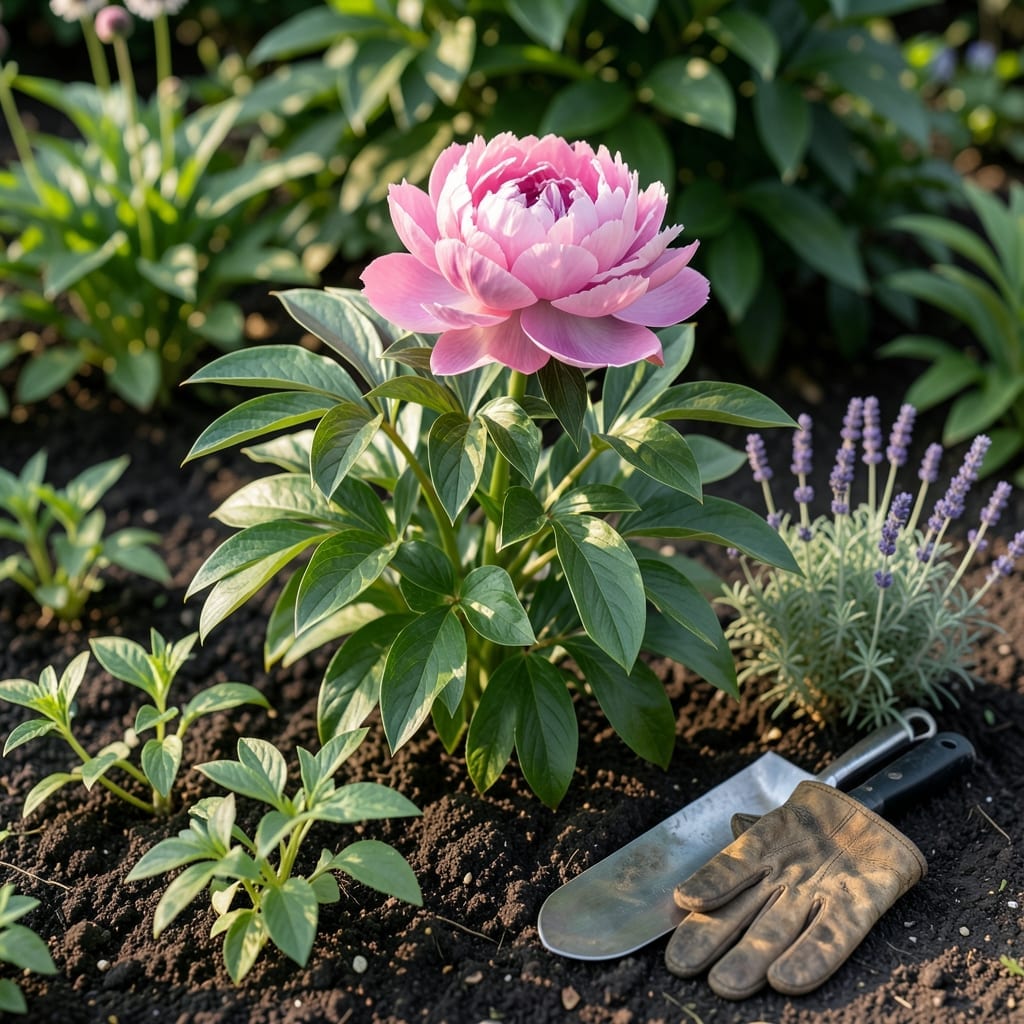
Peonies steal the show in late spring, but their bare stems need backup. I’ve found the right neighbors extend their beauty and fill gaps between blooms.
The best companions offer contrast in height, texture, and bloom time. Alliums add purple globes above peonies while bearded irises provide spiky foliage. Both hide peony legs and deter pests naturally.
Low-growing catmint or creeping thyme create a fragrant carpet that suppresses weeds. Their silvery foliage makes the peonies’ vibrant blooms pop even more.
This combo gives you color from spring through fall with almost no extra work. The garden looks fuller, healthier, and downright stunning.
Companion planting challenges with peonies often stem from biological and environmental factors. Understanding these causes helps you create a thriving garden. Below are the key reasons why some plants struggle next to peonies.
Peonies have deep, expansive root systems that absorb significant water and nutrients from the soil. When paired with shallow-rooted or nutrient-hungry plants, competition for resources arises. This can stunt the growth of neighboring plants, especially annuals or perennials with less aggressive roots. To avoid this, choose companions with complementary root depths, like deep-rooted Alliums or drought-tolerant Lavender.
Peonies are prone to fungal diseases like botrytis blight and powdery mildew. Planting them near species that share similar vulnerabilities (e.g., Roses or Phlox) can create a disease hotspot. Fungi thrive in poorly ventilated, humid conditions, so spacing plants too closely exacerbates the issue. Opt for disease-resistant companions like Catmint or Russian Sage to break the cycle.
Peonies require full sun (6+ hours daily) and ample airflow to flourish. Planting them alongside shade-loving species (e.g., Hostas or Fern) leads to stunted growth for one or both plants. Similarly, overcrowding restricts air circulation, increasing pest and disease risks. Select sun-loving, low-maintenance perennials like Daylilies or Salvia to harmonize light and space needs.
Companion planting with peonies can sometimes go wrong, but these targeted fixes will help you restore harmony to your garden. Here’s how to address common problems and keep your peonies—and their neighbors—thriving.
If your peonies or their companions look stunted or compete for sunlight, they may be too close. Dig up and relocate overcrowded plants in early spring or fall, spacing them at least 2–3 feet apart. Peonies need room for airflow to prevent fungal diseases like botrytis.
Prevention tip: 💡 Plan your layout in advance, grouping plants with similar light and water needs. Dwarf varieties (like alpine peonies) can be spaced closer (18 inches), while tree peonies need 4–5 feet.
Peonies hate soggy roots, but shallow-rooted companions (e.g., tulips) may dry out too quickly. Apply a 2-inch layer of organic mulch (straw or shredded bark) to retain moisture without suffocating peony roots. Water deeply but infrequently—aim for 1 inch per week.
Prevention tip: 🌡️ Pair peonies with drought-tolerant plants like lavender or Russian sage to reduce watering conflicts.
Powdery mildew or leaf blotch often spreads when peonies are planted near susceptible companions (e.g., roses or phlox). Prune affected foliage immediately and dispose of it far from the garden. Space plants to allow airflow, and avoid overhead watering.
Prevention tip: ✨ Choose disease-resistant companions like alliums or catmint, which naturally repel pests and fungi.
Heavy feeders like peonies and roses planted together can deplete soil nutrients. Test your soil and amend with compost or a balanced fertilizer (10-10-10) in early spring. Avoid high-nitrogen fertilizers, which promote leafy growth over blooms.
Prevention tip: 🎯 Interplant with light feeders like yarrow or coreopsis to balance nutrient demand.
Avoid it if possible. Both need similar nutrients and are prone to fungal diseases, creating competition and health risks.
Catmint, creeping thyme, and ajuga work beautifully. They cover bare soil, suppress weeds, and won’t compete with peony roots.
Yes! Choose sun-loving plants like lavender, salvia, or daylilies to match their 6+ hour daily light requirement.
Keep at least 2-3 feet between peonies and other plants. This prevents overcrowding and allows proper airflow.