
Beautiful Plants For Your Interior
Beautiful Plants For Your Interior
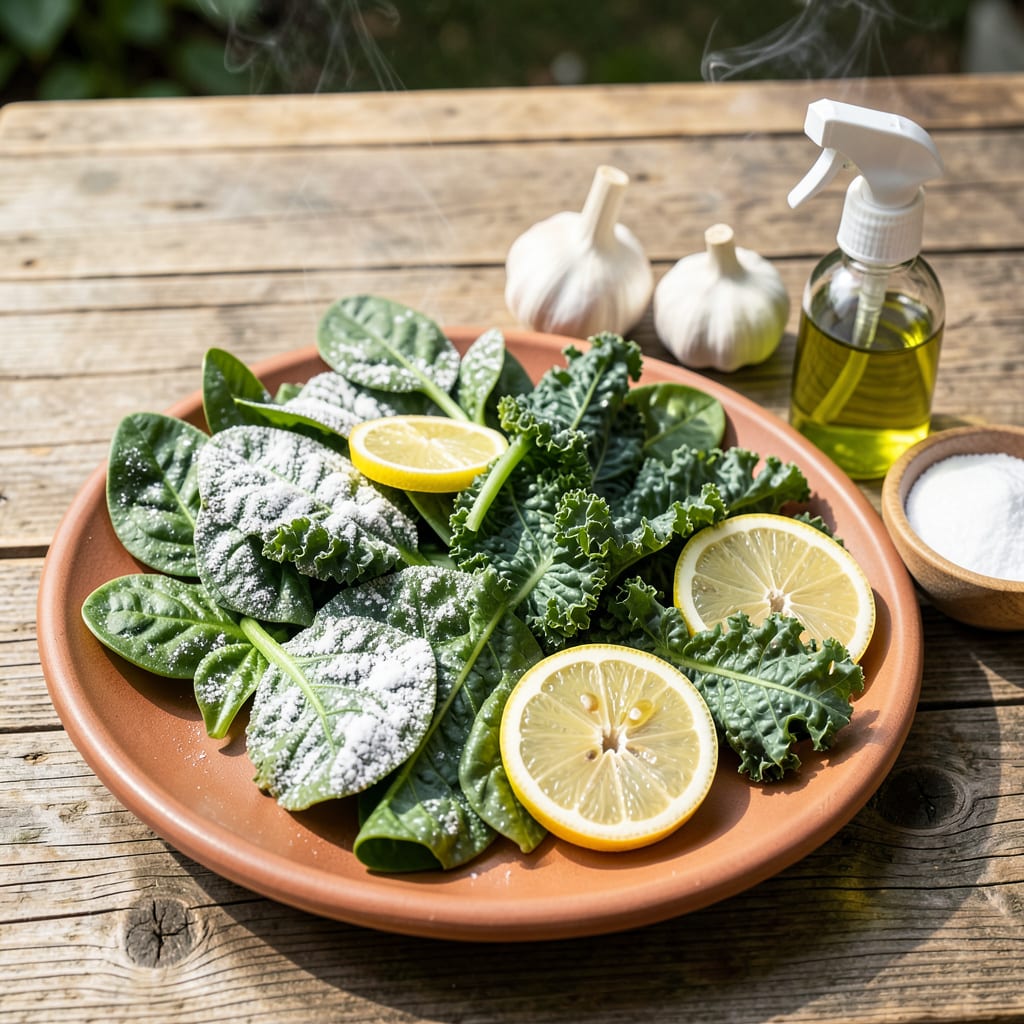
That white dust on your leaves isn’t just unsightly—it’s stealing your plants’ vitality. I first spotted powdery mildew on my zucchini three seasons ago and nearly lost the entire crop.
The good news? This fungal foe thrives on weak plants under stress. Proper spacing, good air flow, and consistent watering create conditions where mildew can’t take hold. Most gardeners overlook the simple fixes that work 90% of the time.
You’ll see leaves regain their vibrant green within days of treatment. The key is catching it early and responding with either organic sprays or targeted fungicides. Both methods work if applied correctly.
Works for vegetables, flowers, and even houseplants. The solution is simpler than you think.
Powdery mildew thrives under specific conditions, often catching gardeners off guard. Understanding its root causes helps you prevent and combat it effectively. Here’s what triggers this fungal invader:
This fungus flourishes in dry foliage paired with high humidity (60-80%). Unlike other fungal diseases, powdery mildew doesn’t need wet leaves to spread—it only requires humid air. Poor air circulation traps moisture, creating the perfect breeding ground. Crowded plants or dense canopies often worsen the issue.
Temperature swings are a major trigger. Powdery mildew spores germinate best in 60–80°F (15–27°C) with cool nights (50–60°F/10–15°C). These fluctuations stress plants, weakening their natural defenses. Shaded areas with limited sunlight are particularly vulnerable.
Watering from above leaves foliage damp, even if the soil stays dry. While powdery mildew doesn’t require wet leaves, prolonged surface moisture encourages spore growth. Drip irrigation or soaker hoses at the base are safer alternatives.
Some plants are genetically prone to powdery mildew, including roses, cucumbers, squash, and zinnias. Even healthy plants in ideal conditions can fall victim if the strain is aggressive. Choosing resistant cultivars (e.g., mildew-resistant cucumbers) reduces risk significantly.
Stagnant air traps humidity and prevents foliage from drying quickly. Prune regularly to improve ventilation, and space plants according to their mature size. Vertical gardening (e.g., trellises for vining plants) also boosts airflow.
Powdery mildew may look alarming, but it’s often easy to manage with the right approach. Here’s how to tackle it based on the cause:
Prune overcrowded branches to let air flow freely between plants. Thin out dense foliage, especially in the center, to reduce humidity buildup. For indoor plants, use a small fan on low to keep air moving. Prevention tip: Space plants properly from the start to avoid future issues.
Water plants at the base in the morning so leaves dry quickly. Avoid overhead watering, and use drip irrigation if possible. If humidity is consistently high, consider a dehumidifier for indoor spaces. Prevention tip: 💡 Choose mildew-resistant plant varieties for damp climates.
Pick off infected leaves and stems immediately and dispose of them in sealed bags (not compost). Spray remaining foliage with a baking soda solution (1 tsp baking soda + 1 quart water + a few drops of dish soap). For severe cases, use a fungicide labeled for powdery mildew. Prevention tip: ✨ Apply a preventive spray like neem oil every 2–3 weeks during growing season.
Strengthen plants with balanced fertilizer to help them resist disease. Avoid over-fertilizing with nitrogen, which can promote tender growth that’s more susceptible. Prevention tip: Keep plants healthy with proper sunlight, water, and nutrients year-round.
Act quickly at the first sign of mildew—early intervention makes all the difference!
With proper treatment, you should see improvement within 3-5 days. Remove infected leaves immediately and apply sprays in the morning for best results.
Yes, spores travel easily through air and water. Isolate affected plants and avoid working with them when wet to prevent spreading.
A baking soda solution (1 tsp per quart of water + soap) works well for mild cases. Apply weekly until the issue resolves.
Improve airflow, water at the base, and choose resistant varieties. Regular neem oil applications help deter future outbreaks.
